New York City officials, led by Mayor Zohran Mamdani, are backing the Delivery Protection Act, which would require Amazon, FedEx and similar firms to directly employ drivers now working for independent DSP contractors. Supporters say the law would force companies to assume responsibility for wages, safety and training and could ease union organizing. Opponents warn it would eliminate small contractors, threaten more than 5,000 jobs and slow deliveries; Amazon disputes safety claims and points to a 23% drop in serious crashes last year. The bill has supermajority support on the city council and could influence similar efforts nationwide.
Mamdani’s Showdown With Amazon: How NYC’s Delivery Protection Act Could Rework Urban Labor
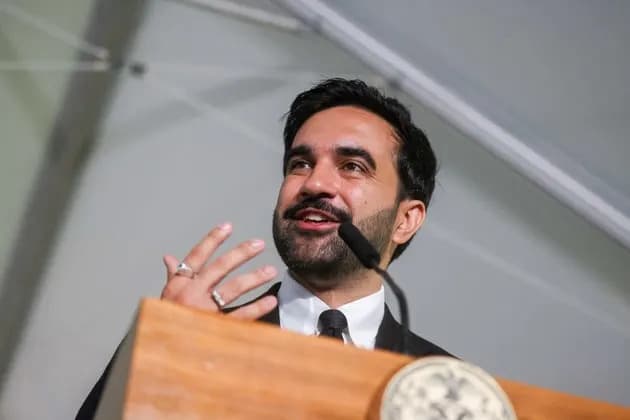
Zohran Mamdani, mayor of New York, supports the Delivery Protection Act, which could upend the outsourcing model at the heart of Amazon's delivery network. Bloomberg via Getty Images
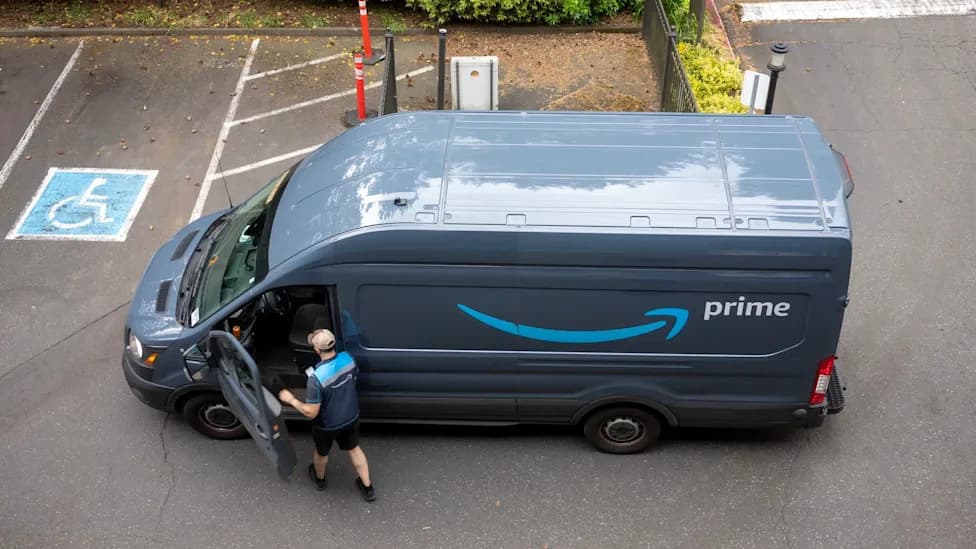
New York City Mayor Zohran Mamdani and city leaders are pressing a major challenge to the business model that powers Amazon’s sprawling package-delivery network. The proposed Delivery Protection Act would require Amazon, FedEx and other logistics firms to directly employ the drivers who currently work for independent delivery service partners (DSPs). Supporters say the change would force companies to assume legal responsibility for wages, safety and working conditions; opponents warn it would destroy small contractors, cost jobs and slow deliveries.
What The Bill Would Do
The Delivery Protection Act would make last-mile drivers direct employees of the retailers and carriers whose brands they deliver for. It would also impose licensing and minimum safety and training standards on last-mile facilities and make companies legally accountable for delivery quotas and other operational practices that affect street safety.
Why Supporters Back It
Backers—including progressive city officials and labor advocates—argue the DSP model lets large firms control drivers’ schedules, routes and performance while avoiding employer liabilities. Julie Su, New York’s deputy mayor for economic justice, told HuffPost the model has spread across the economy and contributed to more precarious work: "It has really threatened a century's worth of labor protections." Supporters also point to a city comptroller report finding injury-related crashes increased in 78% of areas after a last-mile facility opened, and say direct-hire rules would reduce pressure on drivers to meet aggressive quotas that can compromise safety.
Why Opponents Push Back
Amazon warns the law could force it to relocate delivery hubs outside the city, potentially creating fewer jobs and slower, more costly service because drivers might have to pick up packages from hubs in New Jersey or Connecticut. Kelly Nantel, an Amazon spokesperson, said the legislation would "threaten the small businesses that deliver to customers, putting the jobs of more than 5,000 of their employees at risk, and forcing us to consider relocating delivery operations outside of the city." DSP owners, some of whom have invested more than $1 million in their companies and employ hundreds of drivers, say the law would eliminate their firms.
Voices From The Street
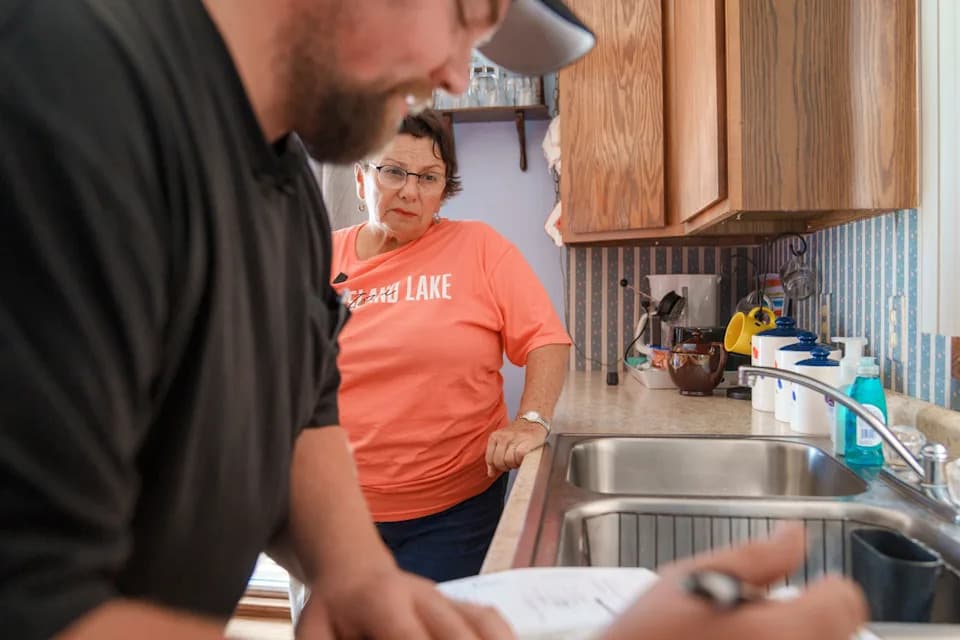
"Amazon keeps claiming we don't work for them, and yet Amazon dictates our starting time, when we should get back to the station... Amazon has all the control," said Luc Albert Rene, a driver in Queens who is employed by a DSP and reports earning about $24.25 an hour after three years on the job.
Other drivers describe worn or unsafe equipment—rental vans with broken locks, failing air conditioning and damaged hand trucks—and say DSP operators often tell them to address issues directly with contractors rather than Amazon. Jerome Sloss, another DSP driver, said better equipment and accountability would follow if the brand were the legal employer.
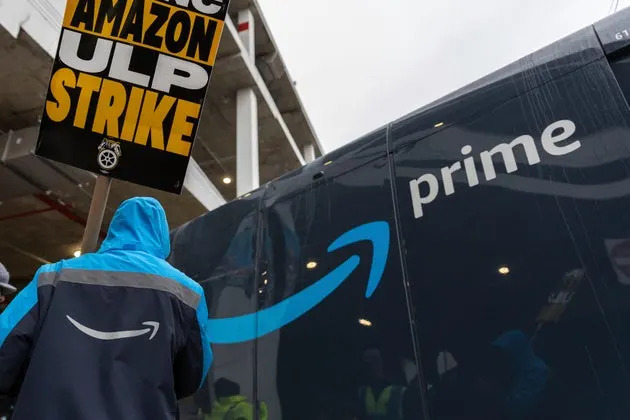
Organizing Amazon is crucial to the Teamsters union, which represents drivers at UPS. via Associated Press
Academic And Union Perspective
Labor scholar David Weil characterizes Amazon’s network as a peak example of the "fissured workplace," a model where large firms outsource much of their labor to competing contractors. Weil says Amazon has amplified that model by using algorithms and automation to direct work done by people it does not technically employ. Organizers such as the International Brotherhood of Teamsters view the bill as vital because DSP fragmentation makes union drives slow and fragile—organizing one contractor at a time can be undone if Amazon shifts business to another DSP.
Competing Data
Amazon disputes safety claims, saying serious crashes in its delivery network fell 23% last year and that driver-monitoring technologies improve safety by alerting managers to unsafe behavior. DSP owners also defend their records: Bashar Yazgi, who runs Bronx-based Logistics XPress, said his roughly 170 drivers have experienced only two serious accidents in three years and described his operation as a small business investment that would disappear under a direct-hire mandate.
Broader Stakes
The legislation in New York could set a precedent for other cities; a similar bill has appeared in Chicago. The effort highlights a national debate over how to regulate large platform companies that retain operational control while outsourcing labor. Local action matters especially because federal policy has shifted: joint-employer enforcement gained traction under the Biden administration but was rolled back under the Trump administration, leaving cities to consider whether municipal rules should fill the regulatory gap.
The bill already has supermajority support on the New York City Council, increasing the likelihood of passage this year. City officials say they want companies to remain in New York but will not "sacrifice health and safety as a cost of doing business." Whatever the outcome, the fight over the Delivery Protection Act will be watched closely by labor advocates, retailers and municipal governments across the country.
Reporting note: This article summarizes public statements from elected officials, Amazon spokespeople, DSP owners, drivers and labor advocates. Some figures—such as estimated jobs at risk, crash statistics and compensation ranges—were reported by the city, Amazon and interview subjects.
Help us improve.