The article argues that the cosmopolitan capitalism of the early 2000s is unraveling even as US imperial power becomes cruder and less multilateral. China and Europe project alternative forms of internationalism but lack the capacity to replace the post-1945 US order. Latin America faces renewed pressure, and domestic backing for new US wars is weak. Diverse progressive movements from anti-war mobilizations to climate strikes offer a constructive, transnational alternative.
After Globalism: Theirs, Ours, and the Future of Internationalism
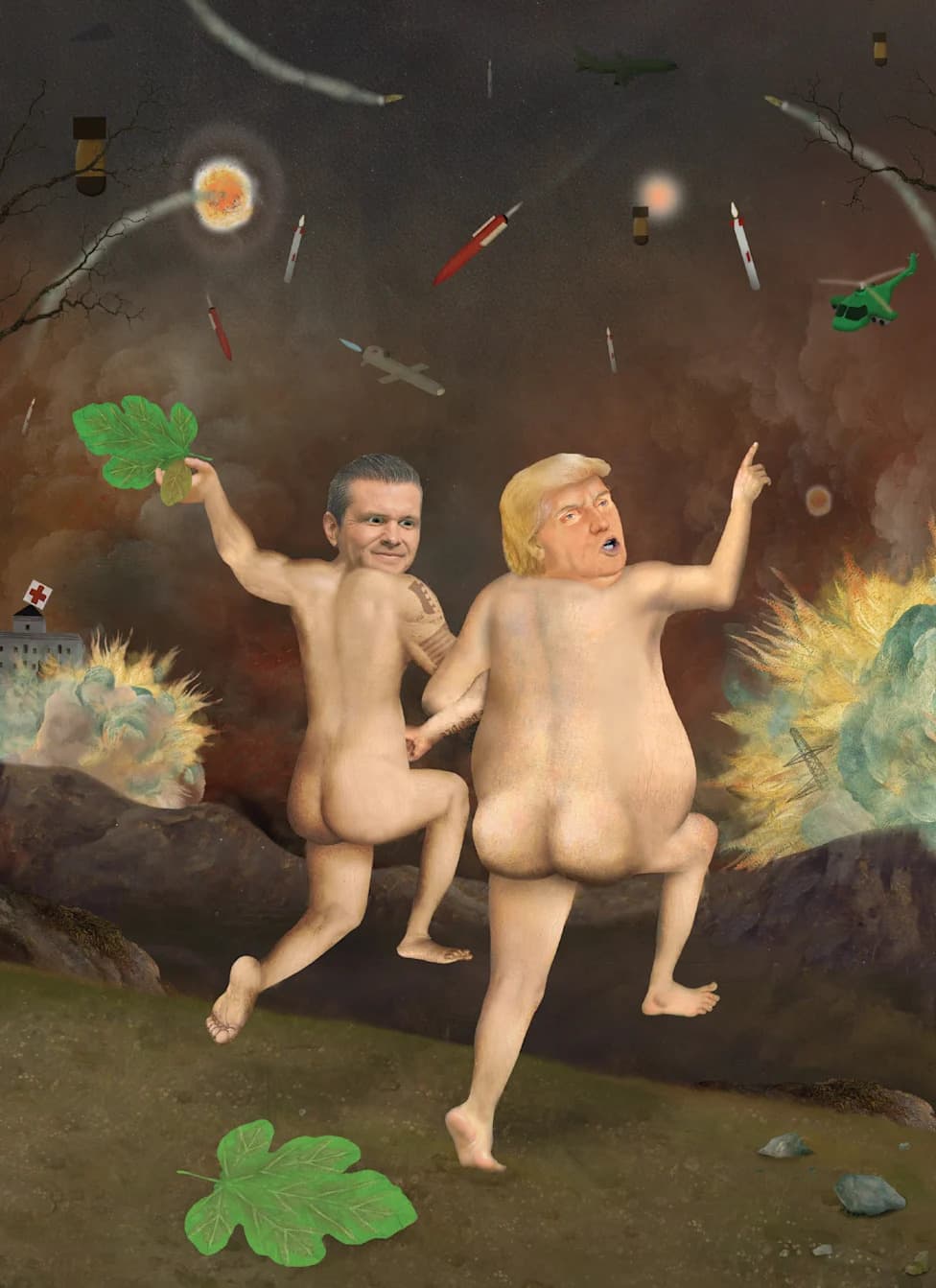
Illustration by James Kerr / Scorpion Dagger
It is striking that only twenty-five years ago the global justice movement was often accused of parochial nationalism by supposedly progressive commentators. Protesters in Seattle and Genoa insisted they accepted an interconnected world; their disagreement was with a specific form of globalization — the push to liberalize and privatize national economies via institutions like the World Trade Organization and the summits of the G8.
From Cosmopolitan Capitalism To Blunt Power
The cosmopolitan capitalism of the early 2000s is now in retreat. Many members of the global elite who once circulated in the same international circuits now embrace nativist politics, while administrations in Washington have taken a sledgehammer to free-trade orthodoxy. In these circles, 'globalism' has become a dirty word, yet capitalism itself remains unquestioned: tariffs are back in fashion and unions struggle just to survive.
At the same time, the US power elite has largely abandoned the cosmopolitan rhetoric of humanitarian intervention and nation-building even as it continues to project military force across the globe. The rollback of globalization has not produced a withdrawal from empire; rather, it has produced cruder displays of force without the old rhetorical cover of multilateralism. The phrase 'rules-based international order' once helped mask the fact that Washington both made the rules and enforced them. Today even that veneer feels dispensable to many US leaders.
Other Powers, Different Strategies
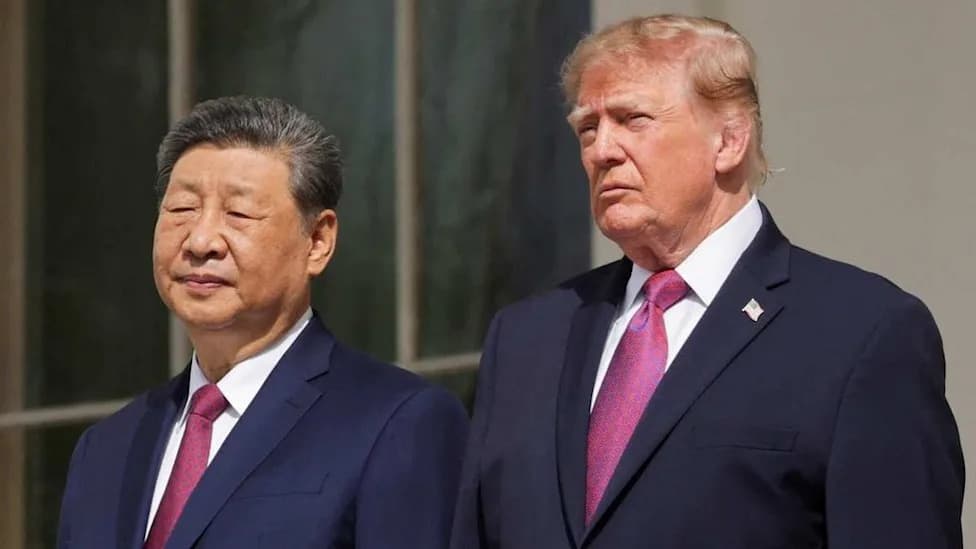
Are other powers seeking to build alternative international projects? China long ago set aside ambitions of exporting revolution and concentrated instead on internal development — strengthening state capacity and economic infrastructure — which is a major reason for its durability since the Soviet collapse. As China grows more assertive on the world stage, Beijing has sometimes cast itself as a defender of multilateral institutions. But there is little evidence it can or will construct the kind of global order the United States established after 1945.
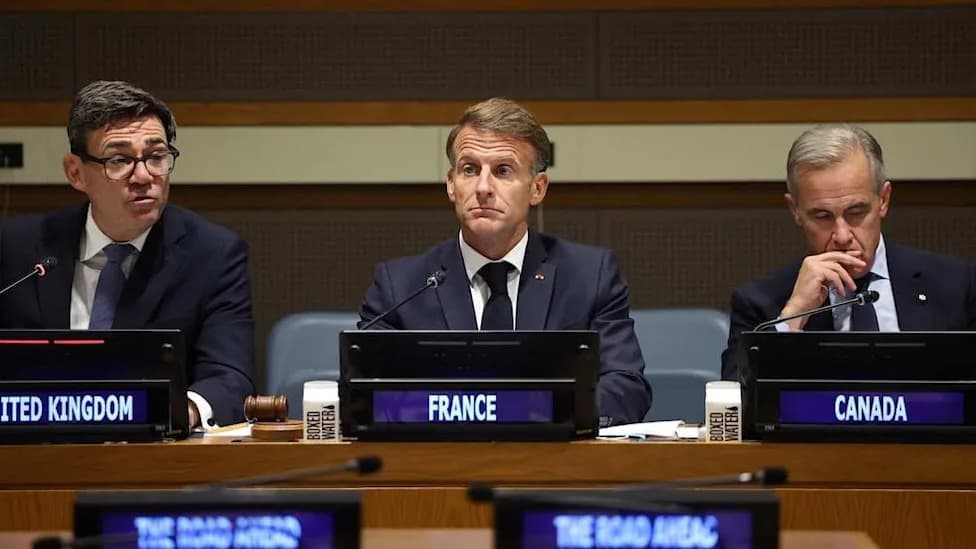
European leaders, meanwhile, offer rhetorical gestures toward strategic autonomy while often deepening practical dependence on the United States. In 2003 France and Germany famously resisted the invasion of Iraq at the UN Security Council; today, however, many European governments have acquiesced to US-led military initiatives that carry disproportionate costs for European economies. Calls for rearmament are sold as steps toward autonomy, but higher defense spending frequently ends up reinforcing transatlantic ties rather than breaking them.
Latin America And The Narrowing of Options
In Latin America, the apparent decline of US hegemony has in some ways produced a harder line from Washington toward its perceived sphere of influence. Heavy-handed election interference and covert operations have boosted far-right, collaborationist forces in parts of the region. Mexico and Brazil are the most important governments resisting these pressures, but their ability to withstand sustained coercion from the hemisphere's dominant power is uncertain.
Domestic Politics And The Limits Of War
This revitalized imperial posture lacks a firm popular base at home. Public support for the wars in Afghanistan and Iraq only hardened early on because of a mix of fear and political messaging; the later reality of chaos and casualties shifted opinion. Today, many US politicians who advocate forceful policies struggle to explain clear objectives or to build broad domestic consensus for new wars.
Citizens across NATO tend to be less enthusiastic about bolstering US power than their governments, but political elites rarely envision alternatives to reliance on American weapons, technology, and financial infrastructure. The end of classical, Davos-style globalization is unlikely to produce national self-sufficiency while US tech giants remain dominant in digital capitalism.
What Kind Of Internationalism Remains?
Given this concentration of economic and military power, the internationalism once foregrounded by the global justice movement can look fragile. Yet the last quarter century has also produced diverse progressive international projects: the global mobilizations against the Iraq War, left-wing governance experiments in Latin America, the Arab uprisings of 2011, European anti-austerity movements, climate strikes, and international solidarity with Palestine.
These movements show that internationalism need not be synonymous with neoliberal globalization or with the crude, post-liberal deglobalization now on display. It can instead mean cross-border solidarity, coordinated policy experiments, and popular pressure that shapes state behavior.
Trusting in that plural, movement-driven internationalism may seem idealistic. But compared with the erratic and destructive lurches of an empire in decline, it offers a more realistic basis for pursuing stability, shared prosperity, and democratic cooperation across borders.
Help us improve.