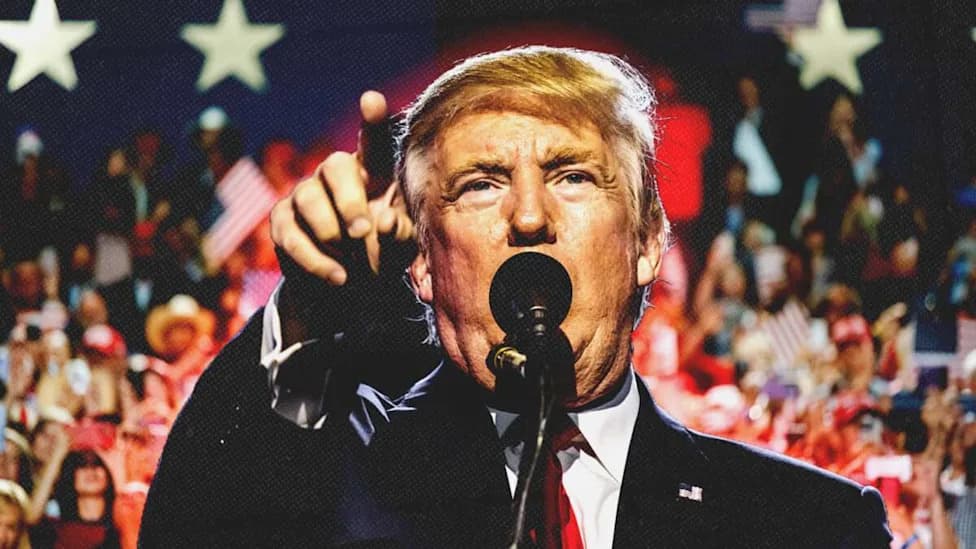
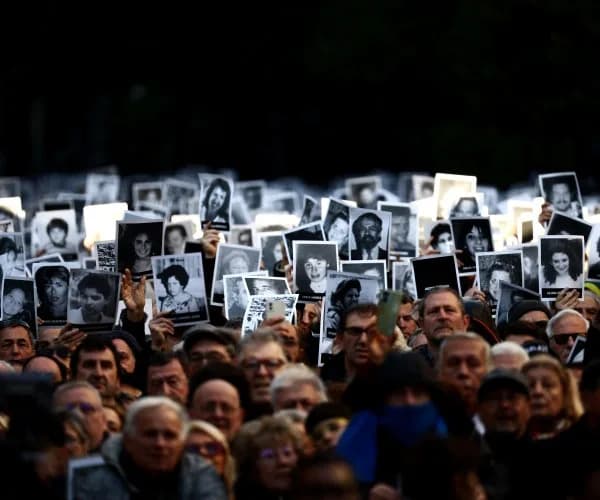
The United States faces a growing global disorder as wars spread and rivals test Washington’s resolve. U.S. retrenchment under the Trump era has created strategic vacuums that Russia, China and regional actors are filling, while cheap weapons and AI have made forward bases more vulnerable. Global military spending has surged, underlining a renewed arms race. The article argues for reforming the postwar order rather than abandoning it, or risk far greater instability.
How Trump Is Unraveling the World Order America Built
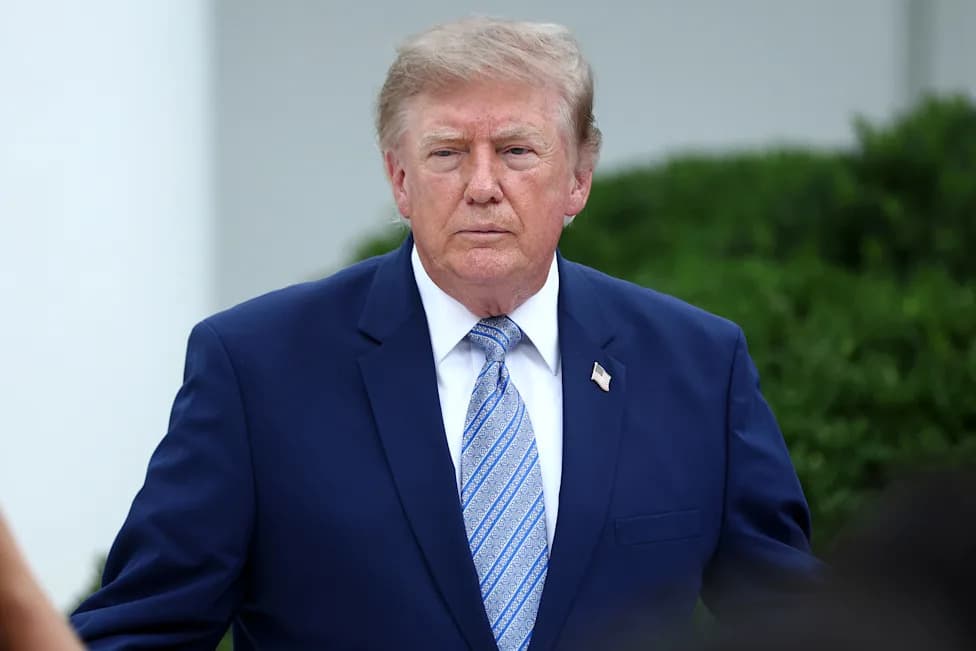
Trump Is Dismantling the World America Built
Events once expected to be contained are spilling across borders, and the United States' historic role as guarantor of a stable post‑1945 order is fraying. Retreat, unilateralism, and the rise of cheap military technology have combined to produce a more volatile, multipolar world.
The Great Interregnum
We are living through a global in‑between: the Great Interregnum. This liminal period separates the American Century from whatever order follows. No single state or ideology yet stands ready to replace the institutions and norms that underpinned global stability after World War II, but disorder is taking shape as that transition begins.
From Leadership To Retrenchment
The MAGA movement’s promise of "America First" sought to undo what it cast as a burdensome postwar architecture. Rather than strengthening the country, a sharp U.S. retrenchment has created strategic vacuums, inviting rivals and regional actors to expand their influence. Adversaries such as Russia and China are testing those vacuums — not only at their borders but increasingly against American interests and partners.
“When there is no common Power to fear,” Thomas Hobbes warned in Leviathan, insecurity follows. Since 1945 the U.S.-anchored system approximated that common power; today its fraying has real consequences.
Wars That Are Expanding
Russia’s "total war" against Ukraine now includes covert strikes that reach beyond Ukrainian territory, striking at partners and infrastructure across Europe and at times risking direct friction with the U.S. In the Middle East, a campaign once presented as a short effort against Iran has metastasized: it has destabilized regional politics, disrupted energy markets, and drawn proxies in Yemen and Iraq into new confrontations with Saudi Arabia.
The New Strategic Reality: Cheap Tech And Vulnerable Bases
Decades of American forward presence were predicated on fixed bases and expensive platforms. That advantage is eroding. Inexpensive technologies — drones, precision missiles, sensors and AI — now enable smaller states and nonstate actors to threaten even the most advanced militaries. Many forward positions across the Middle East have been damaged or forced to scale back, showing that large, static footprints are increasingly liabilities.
Rearmament And Global Shock Lines
Rather than creating peace through retrenchment, current trends are driving a new arms race. Global military spending reached roughly $2.9 trillion in the latest reporting year, while arms sales outside the United States rose nearly 10% in 2025. European defense budgets climbed about 14% as governments prepare for a future where American guarantees are less certain.
Why Reform—Not Abandonment—Matters
No one denies the postwar system needs reform. But reforming institutions that underpin trade, security, and cooperation is fundamentally different from tearing them down in the expectation that a better order will spontaneously emerge. The Marshall Plan of 1947 offers a useful contrast: American leadership then rebuilt stable societies without seizing territory—an investment in collective security that paid long‑term dividends.
The immediate consequence of the current direction is clear: vacuums invite competition, cheap technologies amplify risks, and allies recalibrate their defense strategies. The United States faces a choice between constructive reform that preserves shared security frameworks and a disruptive retreat that risks a much more dangerous interlude.
Bottom line: Abandoning the architecture that helped prevent great‑power war does not make America safer; it makes the world more chaotic and American interests harder to defend.
Help us improve.