Andrew Griffith, newly installed as shadow chancellor, is selling a private‑sector, fiscally disciplined approach: fully costed plans, pro‑growth policies and tighter welfare incentives. He defends his record around the mini‑Budget, stresses limited fiscal headroom (public debt near £3tn) and says growth is essential to expand opportunities. The Conservatives propose cutting some Universal Credit payments after six months using a "Back To Work" card affecting about 350,000 claimants; Griffith also reiterates a long‑standing desire to abolish inheritance tax if fiscal conditions allow.
Andrew Griffith Vows Fiscal Responsibility — Shadow Chancellor Sets Out Costed Plans and Tougher Welfare Rules

On supporting both the triple lock and welfare cuts, Griffith makes the case: '[pensioners] can't easily go back into the workplace. Whereas people of working age can make a difference to their lives tomorrow' - Heathcliff O'Malley for The Telegraph
Andrew Griffith, the newly appointed shadow chancellor, has framed his brief as a return to private‑sector discipline and a renewed push for pro‑growth economic policies. A former Sky finance director, chief operating officer and JustEat chairman, Griffith arrived in the Palace of Westminster keen to emphasise that any Conservative offer will be fully costed and consistent with "fiscal responsibility."
Barely weeks into the role after Kemi Badenoch's reshuffle, Griffith has expanded the party's Economic Unit and is working closely with MPs Claire Coutinho and Richard Fuller to sharpen a growth agenda ahead of a looming Budget. He stresses a familiar centre‑Right programme: cheaper energy, lower and simpler taxes, more flexible labour markets, reduced regulation and stronger incentives for investment and entrepreneurship.
Background And Business Credentials
Griffith, 55, entered Parliament in 2019 for the safe seat of Arundel and South Downs after a long career in industry. He served in Downing Street policy roles and held Treasury responsibilities before becoming shadow business secretary following the 2024 election. His private‑sector record is central to his pitch: he argues that surviving as a finance director at a FTSE100 company requires rigorous budgeting and realism.
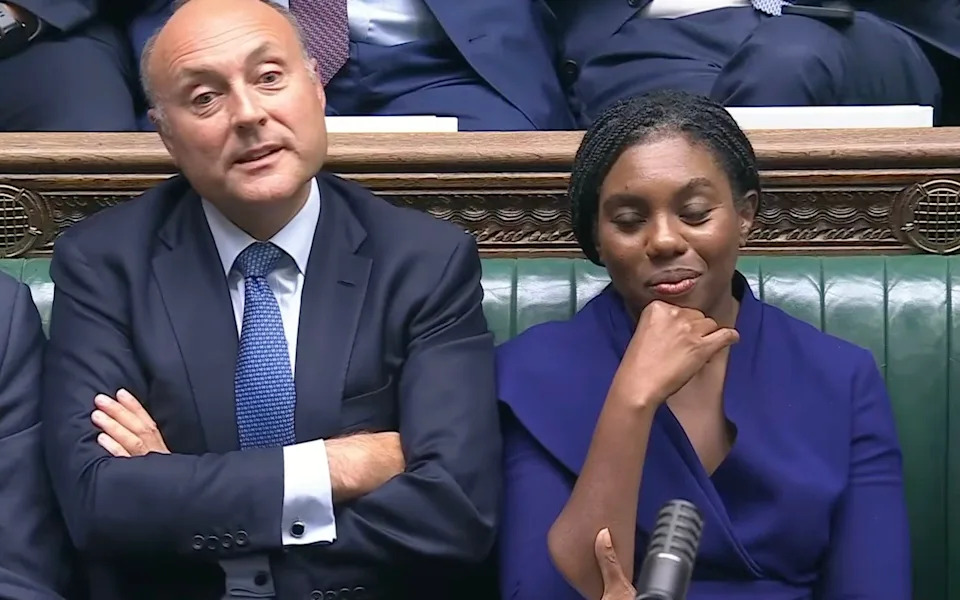
Griffith and Badenoch watch as Chancellor John Healey addresses the Commons earlier this month - Pixel8000
"I can guarantee to voters that I will not set out plans that are not fully costed," Griffith told the reporter. "You would not survive 11 years as a finance director of one of the UK's biggest companies if you could not balance the books."
Defending His Record And Addressing Controversy
Political opponents have pointed to Griffith's role at the Treasury during Liz Truss's mini‑Budget. He rejects suggestions he authored that fiscal statement, saying the package was written in Downing Street and that the Treasury had not been involved. He has acknowledged that "mistakes were made" at the time but insists the criticism mischaracterises his responsibilities.
Fiscal Context
Griffith has foregrounded the narrow fiscal headroom the UK currently faces: borrowing in August reached £18.3bn — about £2.9bn higher year‑on‑year and £3.5bn above the OBR's forecast — and borrowing since April stood at £77.3bn, some £8.1bn above expectations. Public debt is approaching £3tn and the state spends roughly £8.8bn a month servicing that debt, leaving limited scope for new uncosted commitments.
Policy Priorities
Griffith's priorities place growth at the centre of opportunity creation. He argues that modest increases in GDP — moving from 1.3% growth in 2025 to 2–2.5% — would materially improve prospects for young people and ease fiscal pressures. His policy toolkit includes:
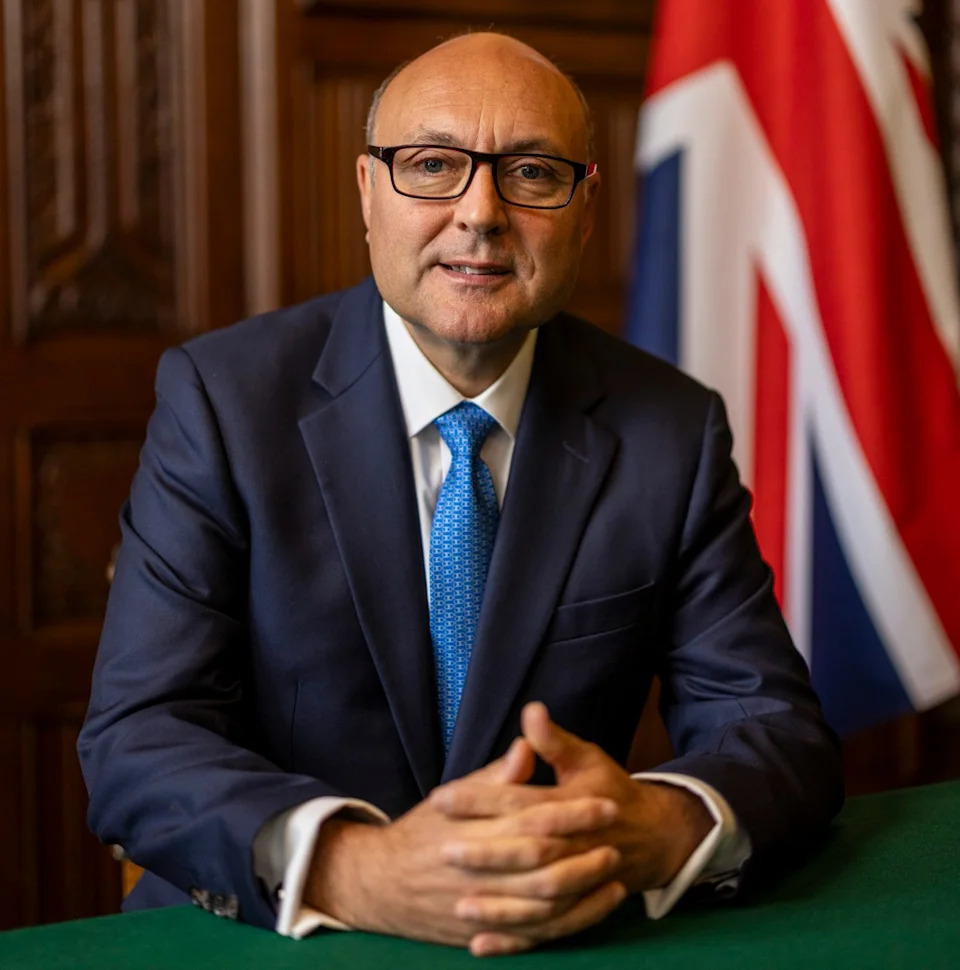
Griffith says that within three days of taking over as shadow chancellor he had created a fully costed plan to reach the 3pc defence-spending target - Heathcliff O'Malley
- Delivering cheaper energy and simpler tax rules.
- Reforming employment law to increase flexibility and reduce barriers to hiring.
- Cutting red tape and improving conditions for businesses and investors.
- Protecting the pension triple lock while targeting reductions in working‑age welfare.
Welfare, Incentives And The "Back To Work" Card
Griffith argues that successive governments have allowed welfare to develop perverse incentives that weaken work expectations for those able to work. To address this, the Conservatives unveiled a proposal under which unemployed Universal Credit claimants receive the full rate for the first six months; after that, claimants without a sufficient contribution record would see payments cut by nearly a third. Approximately 350,000 people are expected to be affected, receiving the reduced amount on a pre‑loaded "Back To Work" card designed to block cash withdrawals and spending on alcohol, tobacco and gambling.
While politically resonant for voters who work and pay taxes, critics note the policy is unlikely to deliver large savings and point to international experience — Australia trialled a similar cashless welfare card from 2016 to 2022 before abandoning it amid concerns the costs outweighed the benefits.
Defence And Other Commitments
Griffith says he produced a fully costed plan within days to meet the Conservatives' pledge to spend 3% of GDP on defence, a priority he describes as "high stakes." He contrasts the need for credible, funded commitments with what he calls "hot‑air" politics from the Government.
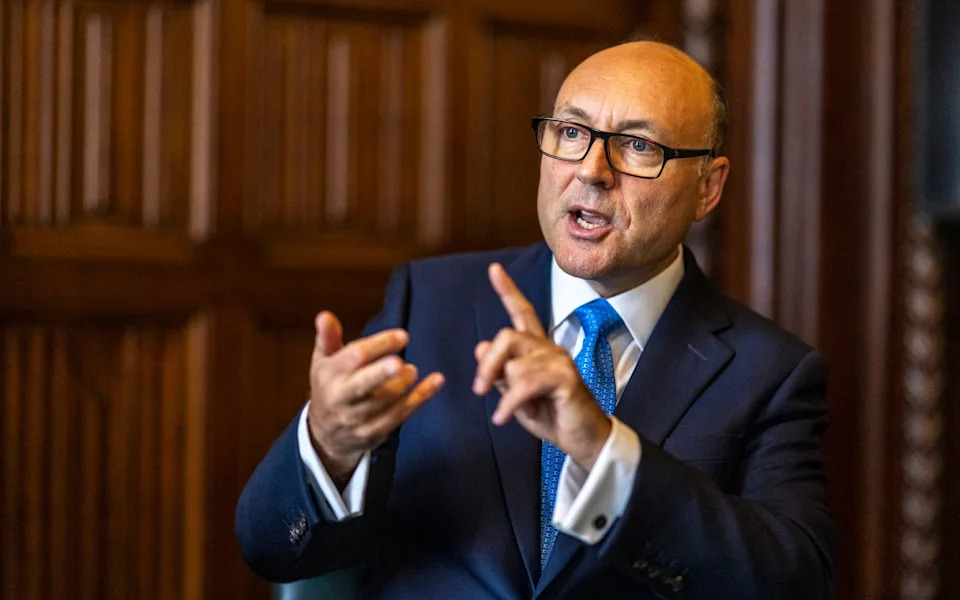
On the case against inheritance tax: 'It doesn't raise much money – less than 1 per cent of the total. It goes against human nature' - Heathcliff O'Malley
Taxes And The Political Trade‑Offs
On tax, Griffith has reiterated a long‑held view that inheritance tax is a poor levy to retain, calling it "a bad tax" that raises little revenue. He qualifies this stance by insisting that any tax cuts must be fiscally affordable. He warns of the risk of high earners leaving the UK — and urges better monitoring of this trend to protect the tax base.
Institutional Challenges And Party Dynamics
Griffith acknowledges institutional obstacles — vested interests, campaigning groups and what he terms the "Blairite constitutional settlement" — that can frustrate reform. He does not treat the Treasury as a conspiratorial enemy but criticises Whitehall performance management and career structures. Within the shadow team he emphasises collaborative work with Coutinho and Fuller and praises Badenoch for encouraging robust debate.
With the Conservative conference in Birmingham approaching, Griffith faces the task of persuading delegates and the public that the party can responsibly manage the nation's finances and present credible, costed proposals rather than pledges that stoke unrealistic expectations.
Help us improve.