The White House says President Trump used a "pocket rescission" to cancel up to nearly $1 billion in appropriated funds, including $567 million from HHS and smaller cuts to DHS and education programs. Critics — including Republican Sen. Susan Collins and several Democrats — argue the move is unlawful and usurps Congress's power of the purse, citing a GAO opinion that pocket rescissions are not allowed under the Impoundment Control Act. The administration contends it is exercising long-neglected presidential authority; the dispute is likely to prompt legal and legislative challenges.
Lawmakers Blast Trump's 'Pocket Rescission' — Administration Cuts Up to $1B; GAO Says Move Is Unlawful
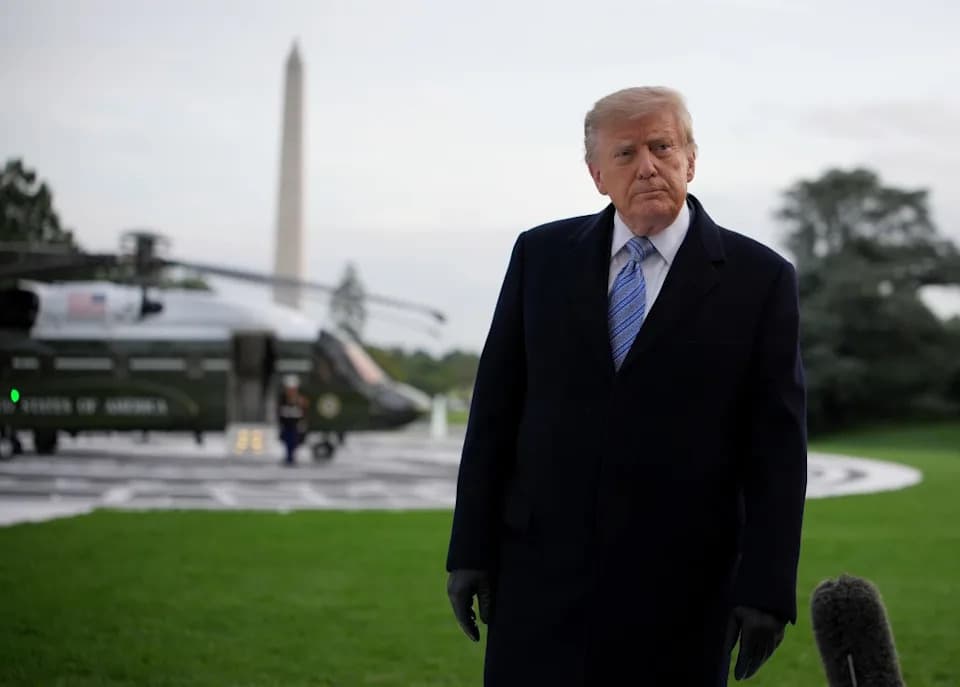
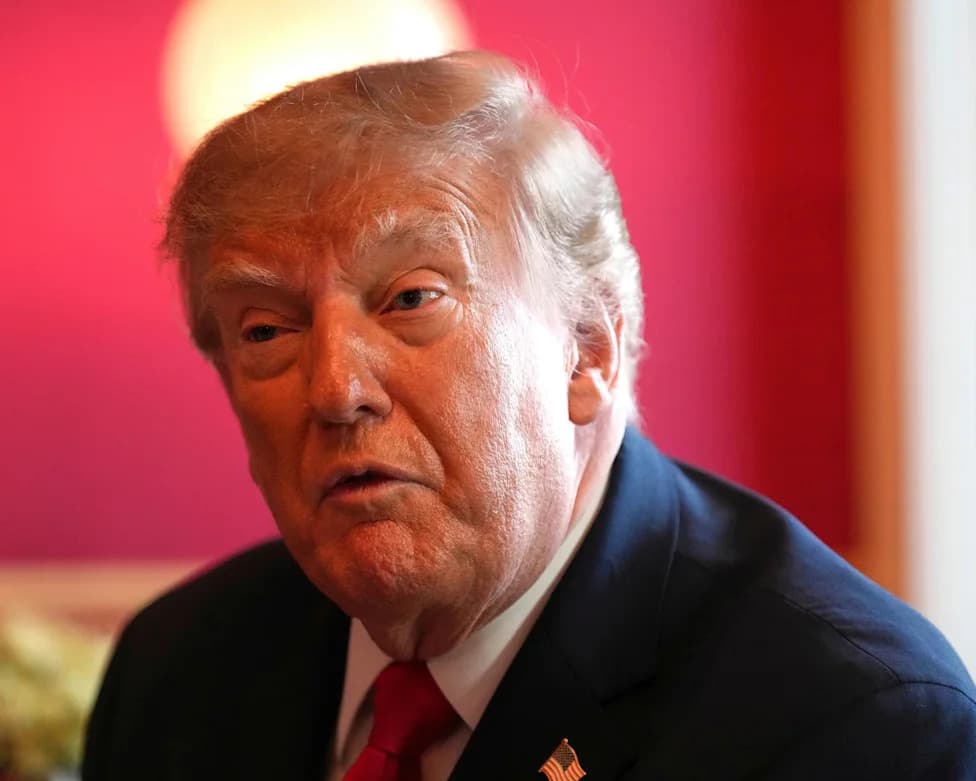
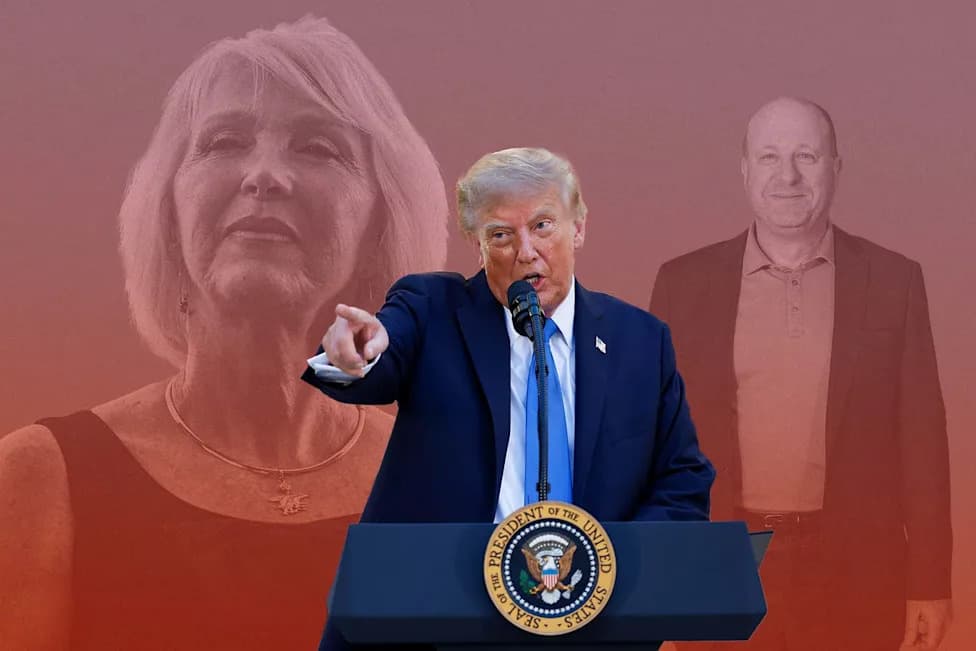
U.S. President Donald Trump speaks to members of the media after returning to the White House on September 23 in Washington, D.C. (Photo by Andrew Harnik/Getty Images)
President Donald Trump's administration announced on Friday that it used a so-called "pocket rescission" to cancel nearly $1 billion in previously appropriated funds, calling the cuts a removal of "the most harmful government spending." The package targets multiple agencies, including Health and Human Services (HHS), the Department of Homeland Security (DHS) and educational programs.
What Was Cut
The administration said the rescission package includes roughly $567 million from HHS programs serving non-citizens, $15 million from DHS programs the White House characterized as welfare for "illegal aliens," and $25 million from education programs for non-citizens, along with additional reductions across several federal agencies. Administration statements described the total impact as "nearly $1 billion," while some lawmakers referenced an $810 million figure.
Legal and Political Pushback
Republican Senator Susan Collins (Maine) sharply criticized the Office of Management and Budget (OMB), saying Congress received no warning or consultation and calling the package an "$810 million package of pocket rescissions." Collins accused the OMB of attempting to "undermine Congress's Constitutional power of the purse" and said the agency "intentionally withheld these funds for months to execute this unlawful cancellation of appropriations that were approved on a bipartisan basis and signed into law."
"The OMB does not get to decide what programs are worth funding," Collins said. "Any effort to rescind appropriated funds without congressional approval is a clear violation of the law."
Several Democratic senators joined the criticism. Senator Patty Murray (Washington) called the move "theft from the American people, plain and simple," and accused the administration of prioritizing other projects over programs intended to help families. Senator Jeff Merkley (Oregon) said the action "violates the core separation of powers embedded in our Constitution." Senator Chris Murphy (Connecticut) faulted Senate Republicans for failing to block the action.
GAO Ruling and Process
The Government Accountability Office (GAO) defines a pocket rescission as a president's request to cancel appropriated funds very late in the fiscal year, before the money can be obligated. Because the fiscal year ends on September 30, a rescission submitted at the last minute can deny Congress the 45 days normally allowed to review and act on the request. The GAO has concluded that pocket rescissions are not permitted under the Impoundment Control Act, asserting that only Congress can rescind appropriated funds.
Administration Response
The OMB defended the action on social media, saying, "Wasteful funding? Rescinded. We will use every fiscal tool at our disposal to deliver savings for the American people." The administration described the move as an exercise of "long-neglected Presidential authorities provided to [the president] under the Impoundment Control Act," and noted a similar pocket rescission was used last year — the first such action in nearly 50 years.
Newsweek reporters contacted the White House seeking comment.
Background: A pocket rescission is distinct from a standard rescission request because of its timing near the fiscal year-end. The GAO's view that such rescissions are unlawful sets up a likely legal and legislative fight over congressional authority and executive discretion over appropriated funds.
This is a developing story and will be updated as more information becomes available.
Help us improve.