Kymore, Madhya Pradesh, remains contaminated decades after a British company's asbestos factory left more than 1.1 million tons of polluted soil; cleanup is estimated at about £100 million. More than 5,000 residents have been diagnosed with asbestos-related illnesses, and clinicians recorded 1,200 new cases during a September 2025 visit. Turner and Newall went bankrupt in 2001 and no funded remediation exists, leaving legal and financial barriers to relief.
Kymore's Asbestos Tragedy: 1.1 Million Tons Of Waste, Thousands Sick

Photo Credit: iStock
Decades after a British firm opened an asbestos factory in the 1930s, the town of Kymore in Madhya Pradesh is still living with toxic legacy: more than 1.1 million tons of soil contaminated with asbestos and no full cleanup planned.
Local Impact
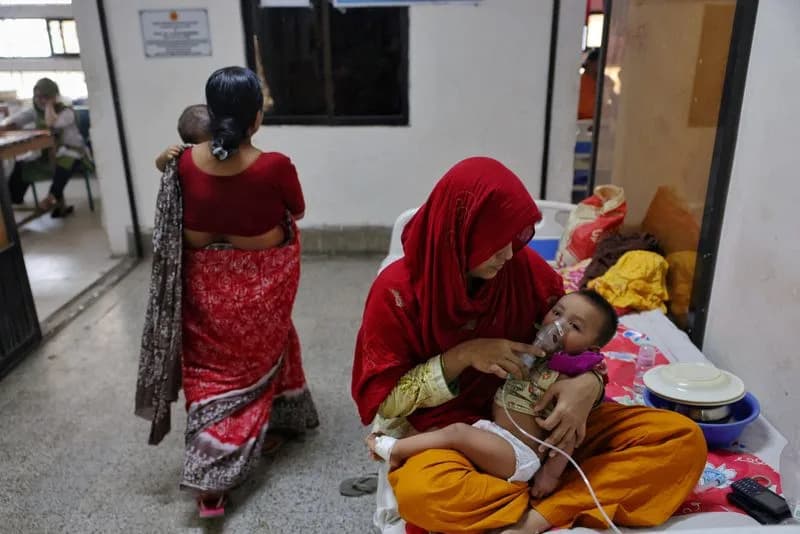
Health workers and local clinicians say more than 5,000 residents in this town of fewer than 30,000 have been diagnosed with illnesses linked to asbestos exposure. As asbestos weathers, it releases microscopic fibers that lodge in the lungs and can cause mesothelioma, lung cancer and chronic respiratory disease. During a September 2025 visit, Professor Muralidhar Venkiteswaran identified 1,200 new asbestos-related cases.
All these people will die suffering, not just dying; they will suffer a lot of respiratory distress, and will spend a lot on lung cancer expenses.
How It Happened
Turner and Newall, a British company that opened India’s first asbestos factory in the 1930s, left behind vast stockpiles of asbestos waste. ITV News found at least one playground covered only by a thin layer of soil on top of former asbestos waste, and residents report contamination near homes, fields and grazing land. By the time the plant was operating in Kymore, stronger worker protections had already been introduced in Britain — protections that were not implemented in India while it remained under British rule.
Liability, Cleanup And Compensation
Turner and Newall went bankrupt in 2001 after litigation in the U.K. and U.S., and a small compensation fund was later set up for some Indian workers and families. But no funds were reserved for a comprehensive cleanup of contaminated soil. Current factory owners say they follow international standards inside the plant and deny dumping around the town, but responsibility for remediation is unclear because Indian law places cleanup responsibility on the polluter, and the original company no longer exists.
The cost can be very difficult to meet, and the average civil suit in India takes between 20 and 25 years to fruition.
Human Stories
Somesh, a father of three with stage 4 metastatic lung cancer, says he first encountered asbestos dust on his school playground, now known to sit over contaminated soil. Many families feel trapped: they cannot afford to leave and cannot afford lengthy litigation.
Broader Context
Advocates warn this is not an isolated problem: regulators and consumers around the world are still grappling with asbestos risks. Recent concerns include the U.S. Environmental Protection Agency's reconsideration of asbestos rules, independent finds of asbestos in Australian landscaping products, and hazardous informal e-waste recycling in New Delhi.
What Needs To Happen
Civil-society groups and lawyers are calling for a funded, transparent remediation plan, long-term medical support for affected residents, and clearer international accountability for companies whose legacy pollution crosses borders. The U.K. government has called the claims "truly shocking" and says it is considering the findings of a review into responsible business conduct.
Current status: No comprehensive remediation is planned. Residents and advocates continue to press for cleanup, compensation and medical care.
Help us improve.