Researchers observed two juvenile pygmy raccoons on Cozumel soaking discarded paper and rolling it into toy balls at a beach club. Of 14 attempts, eight succeeded (57.1%), and two juvenile dwarf coatis also joined in, suggesting social spread. The mother tried once but failed after reportedly consuming about one ounce of a margarita. The study—published in Wild—highlights how tourism and litter can shape behavior and why social learning matters for conserving a population of fewer than 200 individuals.
Critically Endangered Pygmy Raccoons on Cozumel Fashion Toy Balls From Trash, Offering Clues About Social Learning
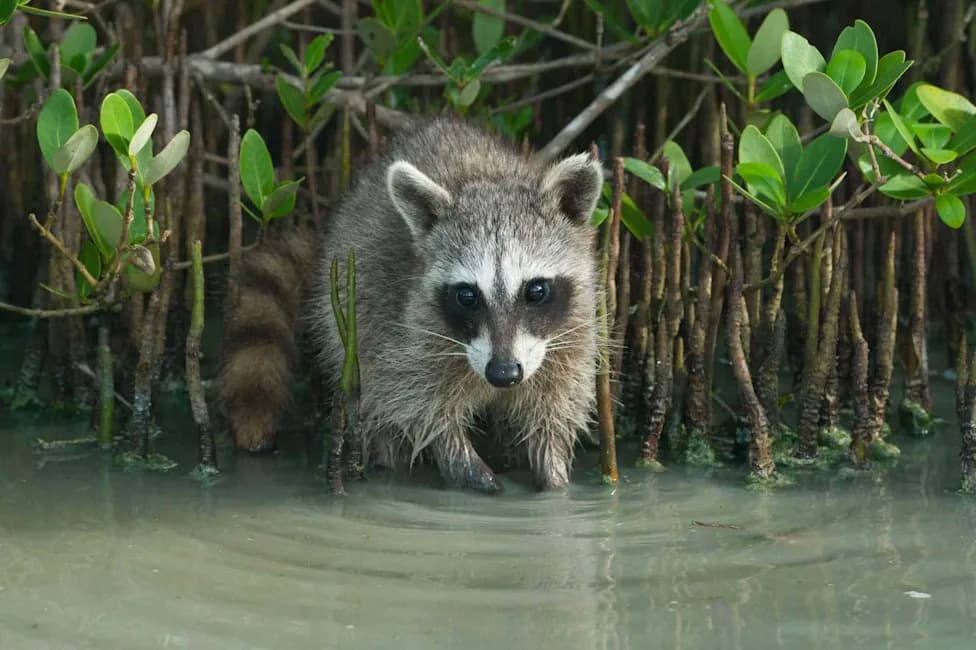
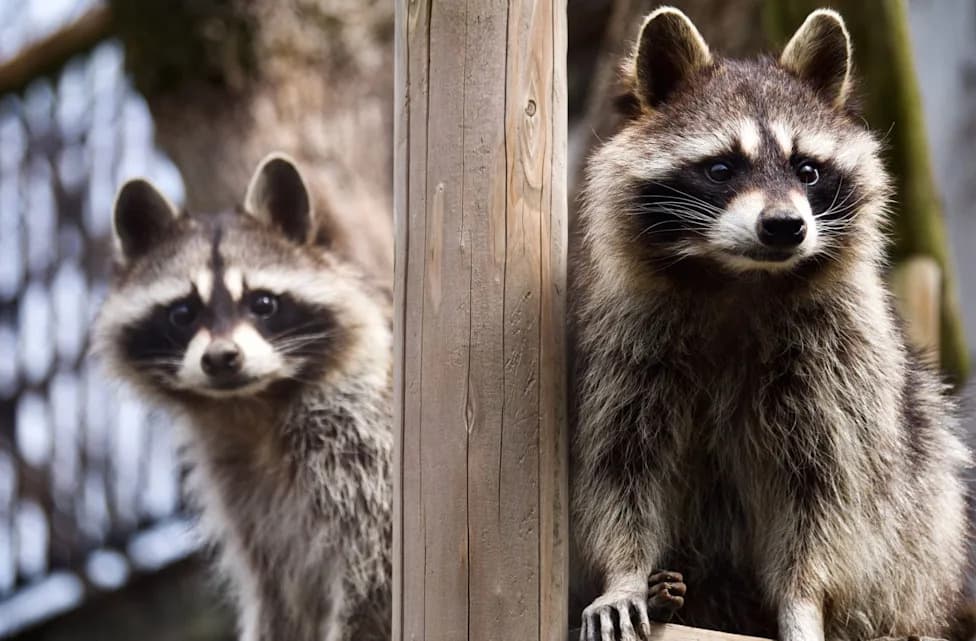
A pygmy raccoonCredit: getty
Researchers have documented an unusual and revealing behavior among Cozumel's tiny population of pygmy raccoons: juveniles fashioning toy balls from soaked paper found in beach trash. The observation links human litter and tourism to animal play and offers rare evidence of socially transmitted behavior in a critically endangered species.
What Researchers Observed
In a study published in the journal Wild, Nessie O'Neil and Michelle Szydlowski of Miami University (Ohio), together with Cozumel municipal ecologist Noel Anselmo Rivas-Camo, described two juvenile sibling pygmy raccoons repeatedly making balls from napkins, receipts and wrappers recovered from trash bins at a beach club. The juveniles dipped paper in water and rolled the damp material on sand until it formed a ball they could manipulate and play with.
The researchers recorded 14 attempts to form balls; eight attempts produced completed balls while six were unsuccessful or incomplete, a 57.1% success rate. The two juveniles also appeared to influence other animals: two juvenile dwarf coatis were observed joining them in playing with the paper balls.
Adult Attempts And A Curious Detail
The siblings' mother tried the same technique once, placing a paper towel in a bowl of water, but abandoned the effort after failing to retrieve it. The study notes she had consumed roughly one ounce of a margarita taken from an unattended drink at the beach club, which the authors suggest may have impaired her dexterity and contributed to the failed attempt.
Variability And Conservation Implications
Notably, raccoons observed at another nearby beach site with access to both paper and water did not make balls, indicating the behavior is not universal across the island population. The authors argue the observations point to social learning: juveniles appear to learn object use from each other, and even other species may adopt the practice through social exposure.
"These observations suggest that pygmy raccoons may learn object use from each other," the study states. "Learned behavior helps conservationists understand how animals acquire new skills, including harmful ones, and how culturally transmitted behaviors may be lost when small groups of endangered animals die."
With fewer than 200 pygmy raccoons estimated to remain on Cozumel, socially transmitted behaviors are fragile. The findings highlight how tourism and pollution can influence animal behavior — sometimes in unexpected ways — and underscore the value of protecting both habitat and cultural knowledge in small endangered populations.
Takeaway: Reducing litter and managing tourist interactions can help protect vulnerable species and their capacity to pass on adaptive (or maladaptive) behaviors.
Help us improve.