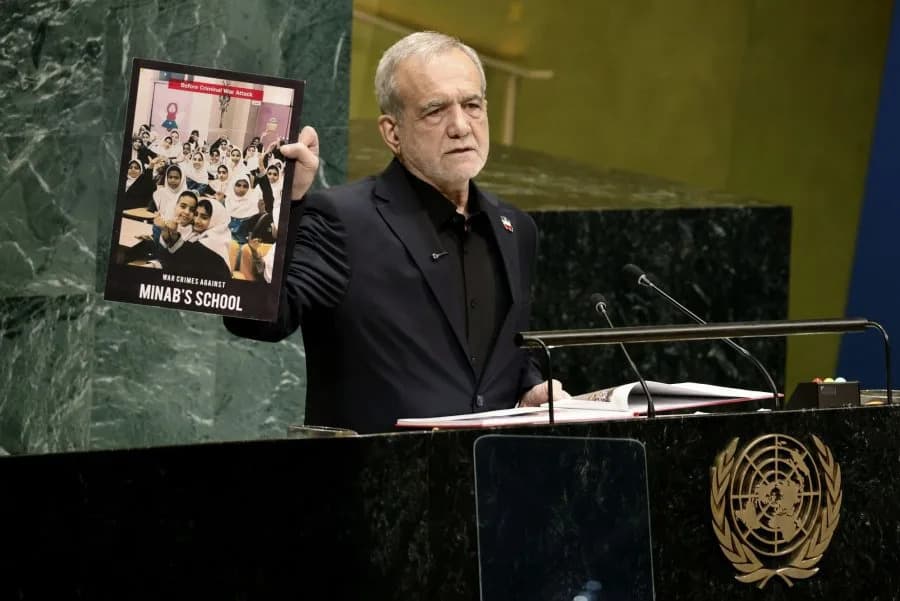
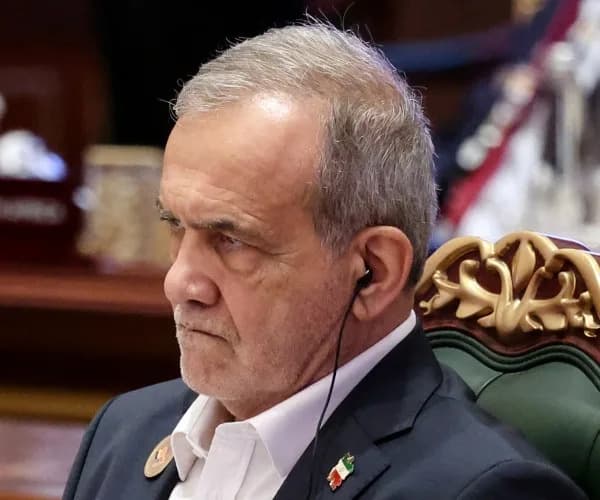
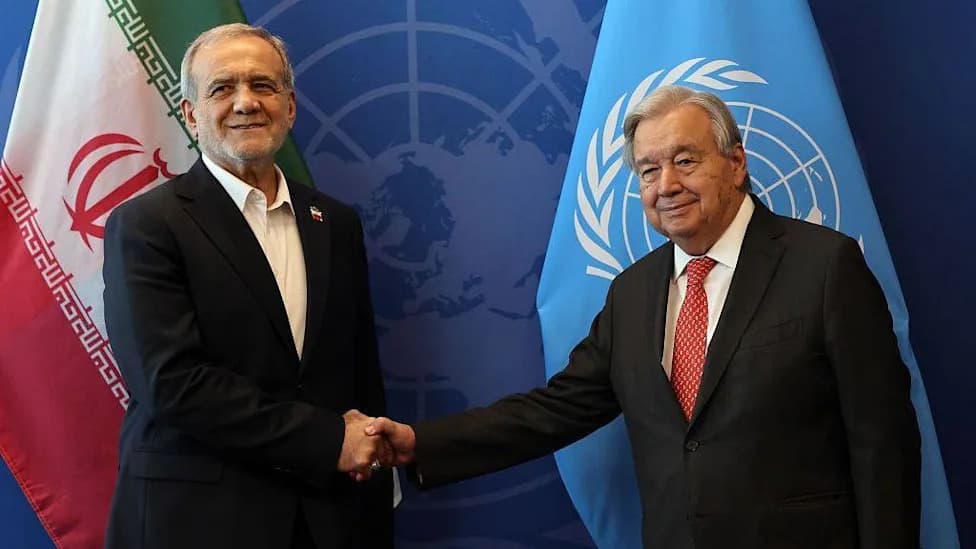
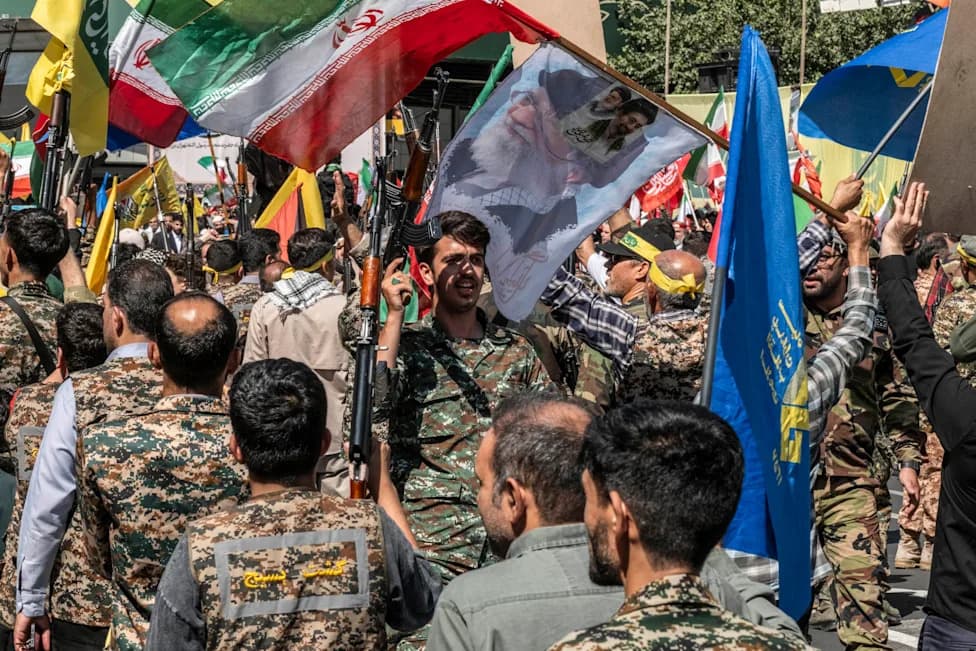
Masoud Pezeshkian, Iran’s 71-year-old president and a former cardiac surgeon, gave a defiant speech at the United Nations, accusing the U.S. of "bullying" and alleging war crimes while saying Tehran remains open to negotiations on specific terms. He underscored his stance by showing an image of children killed in an early strike and demanded a halt to hostilities, an end to the naval blockade, and the release of frozen funds as preconditions for talks. Pezeshkian’s UN visit was notable because it occurred months after U.S. airstrikes targeted Iranian leaders, underscoring both the risks and the diplomatic dimensions of the crisis.
Masoud Pezeshkian’s Defiant UN Address: Iran’s President Challenges U.S. Pressure
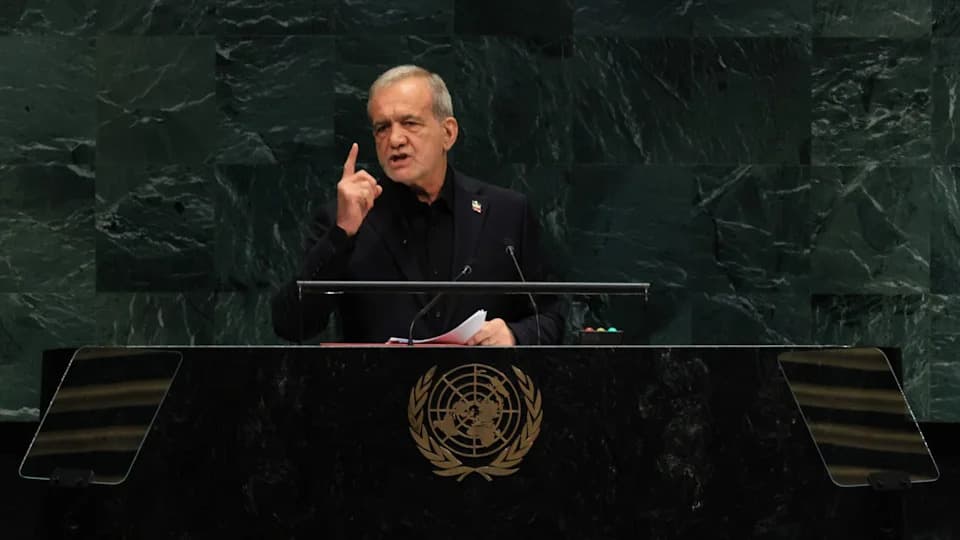
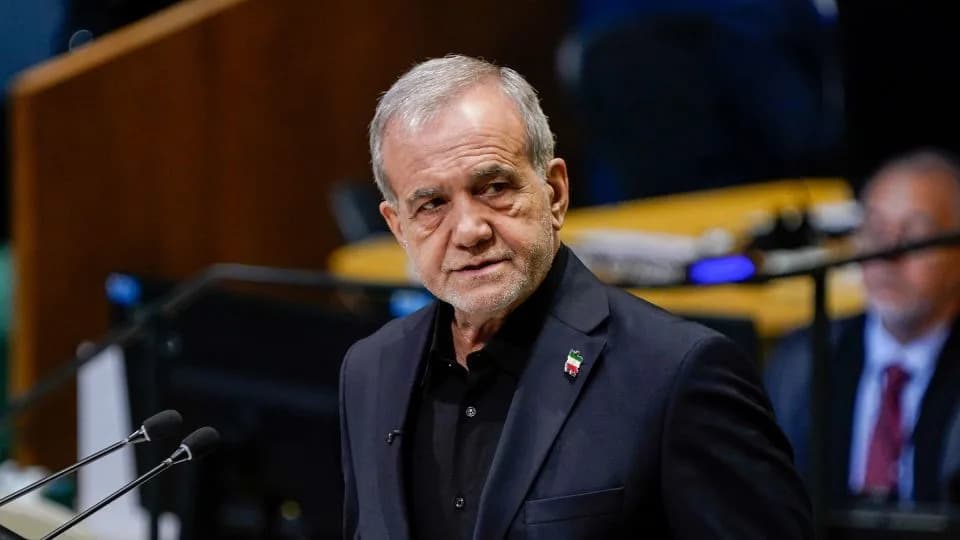
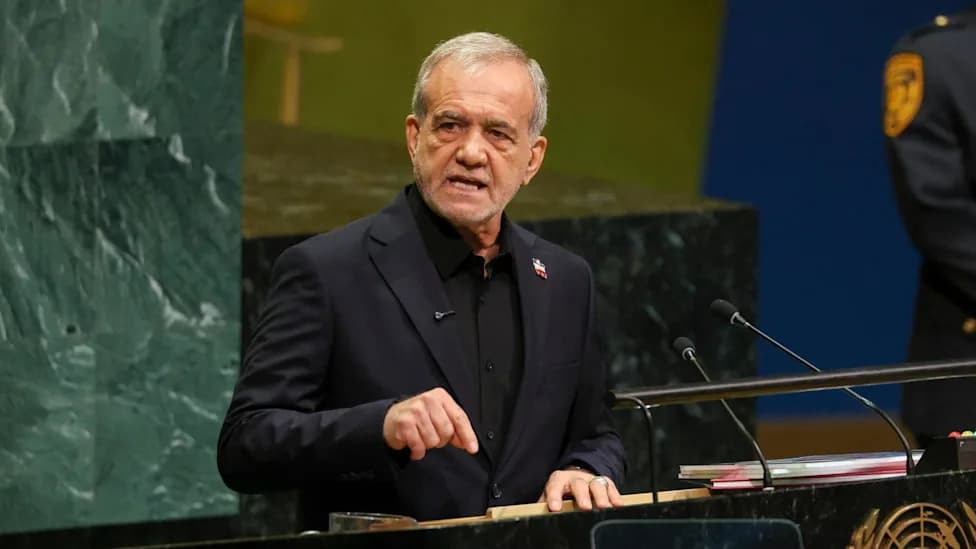
Iranian President Masoud Pezeshkian speaks at the United Nations. | Credit: Spencer Platt / Getty Images
Iranian President Masoud Pezeshkian delivered a forceful and highly visible address to the United Nations General Assembly this week, using the global stage to push back against U.S. pressure while signaling Tehran remains open to talks on specific terms.
Photo credit: Spencer Platt / Getty Images
From Surgeon To Statesman
Born in Mahabad, Pezeshkian, 71, served his mandatory military conscription in Zabul at age 19 — an experience widely reported to have shaped his political outlook. After his service he trained in medicine, became a cardiac surgeon and later led Tabriz University of Medical Sciences. A personal tragedy in 1994, when a car accident claimed his wife Fatemeh Majidi and one of his daughters, preceded his move into public service: he served as deputy health minister and then as health minister under reformist President Mohammad Khatami.
The 2024 Presidency
Running as a moderate in 2024, Pezeshkian campaigned on promises to "open Iran to the world," rebuild trust between state and citizens and address economic and political grievances. He won the presidency in a runoff, surprising observers by defeating a hardline rival. While the supreme leader, Mojtaba Khamenei, remains Iran's ultimate authority, Pezeshkian now holds the highest elected office and has become a consequential actor in the country's foreign policy calculations.
Defiance At The United Nations
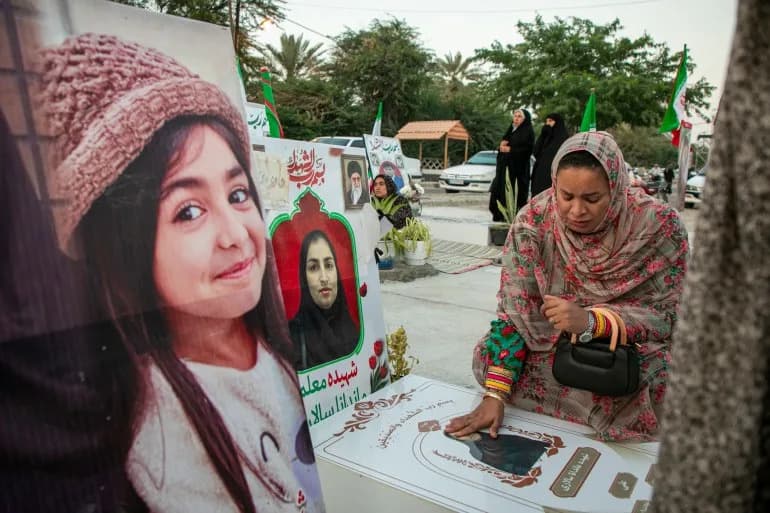
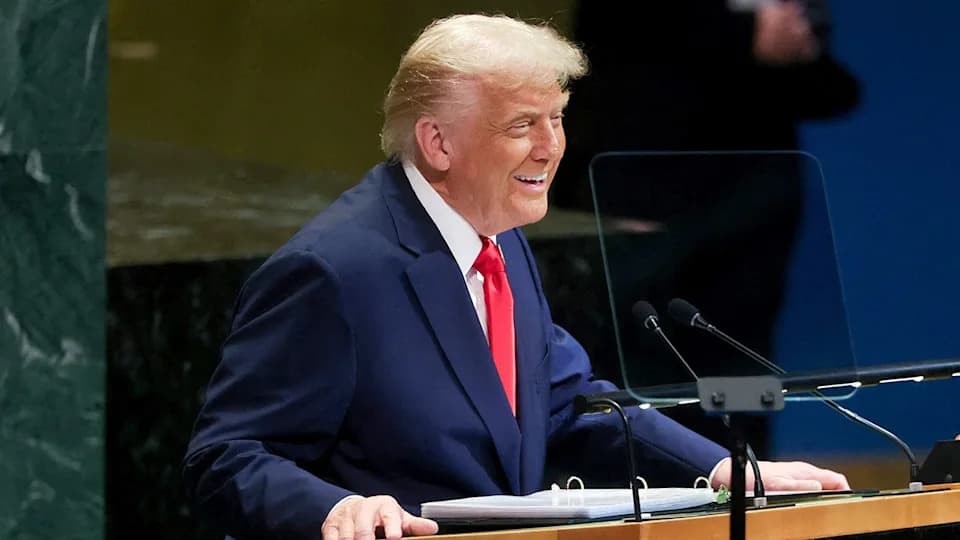
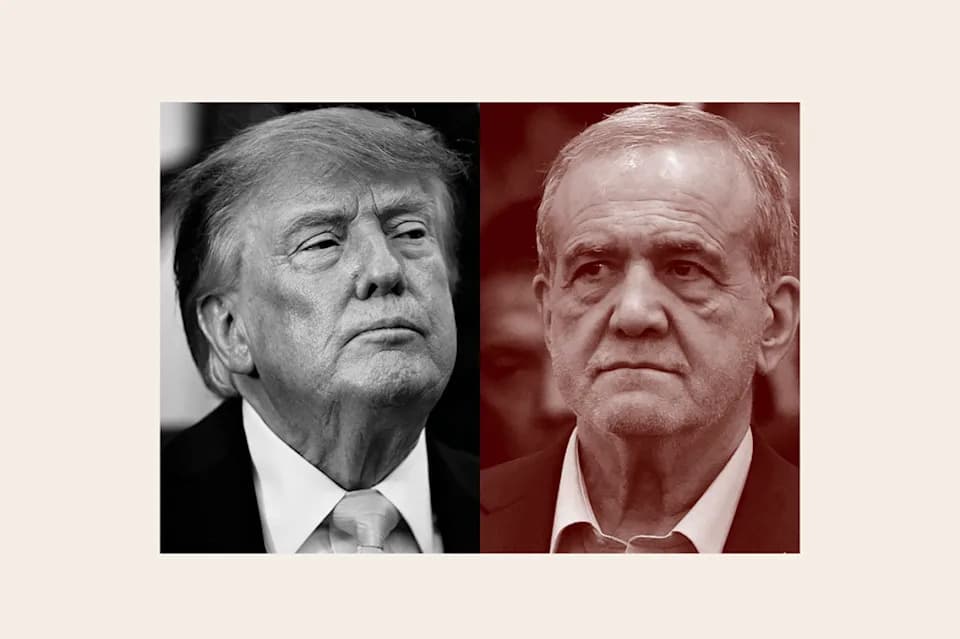
At the UN General Assembly, Pezeshkian confronted what he described as U.S. bullying and aggression and directly countered remarks made the previous day by former U.S. President Donald Trump. He declared that Iran would "never bow our head or bend at the knee," and accused the United States of committing war crimes — a charge he illustrated by displaying a photograph of children reportedly killed in an early strike on an Iranian primary school.
"We will never bow our head or bend at the knee," Pezeshkian said, framing his remarks as both a rebuke of U.S. actions and an assertion of Iranian resolve.
His visit to New York was notable because it took place months after U.S. airstrikes reportedly targeted Iranian leaders; despite the heightened tensions he traveled to the city with heavy security precautions to attend UN sessions.
Stance On Nuclear Issues And Conditions For Talks
Pezeshkian denied that Iran seeks a nuclear weapon while resisting international limitations on Iran's civilian nuclear program. He outlined conditions for negotiations: an immediate halt to U.S. hostilities, an end to the U.S. naval blockade of Iranian ports, and the release of frozen Iranian funds. These demands frame the narrow basis on which Tehran says it would contemplate talks.
What Comes Next
The president's combative UN speech is likely to harden views on both sides: it reassures domestic constituencies that Iran will resist external pressure while leaving open the possibility of conditional diplomacy. How Washington and other international actors respond will determine whether the rhetoric evolves toward de-escalation or further confrontation.
Help us improve.