UNESCO Director Khaled el-Enany told AFP he wants the agency to act as a global moderator in debates over artificial intelligence risks as Pope Leo XIV prepares to visit UNESCO headquarters in Paris next week. He pointed to UNESCO's 2021 Recommendation on the Ethics of Artificial Intelligence and stressed the need for ethical, inclusive governance. The article places the initiative in a broader political context, noting recent public debate about AI, US withdrawal and re-entry to UNESCO, and China’s growing financial role at the agency.
UNESCO Aims To Moderate Global AI Debate Ahead Of Papal Visit
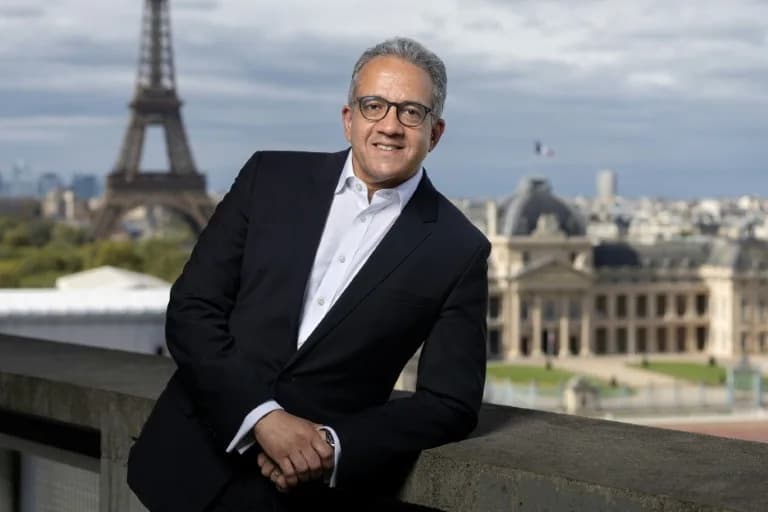
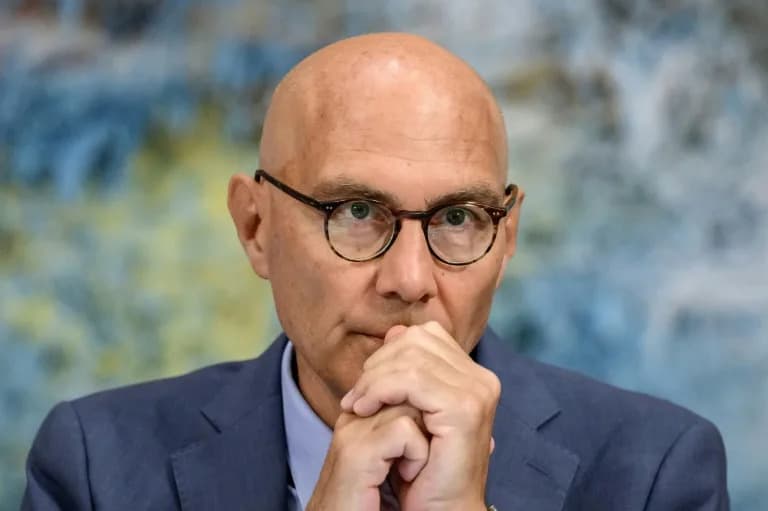
AI 'will get out of control if we don't intervene', Enany told AFP (JOEL SAGET)
UNESCO Director Khaled el-Enany told AFP he believes the UN cultural and education agency is well placed to act as a neutral facilitator in international discussions about the risks and governance of artificial intelligence. He made the comments as he prepared to welcome Pope Leo XIV to UNESCO headquarters in Paris next week.
UNESCO's Mandate And AI Ethics
El-Enany emphasized that UNESCO's remit extends beyond heritage protection to include education, science and the ethical governance of new technologies. He highlighted the agency's 2021 Recommendation on the Ethics of Artificial Intelligence, which warns about risks to privacy, democratic processes, the environment and the concentration of technological power in the hands of a few states or corporations.
“AI is an extraordinary tool, but one that must be governed in an ethical, inclusive, and fair way,” el-Enany told AFP. “There is a risk that it will get out of control if we don't intervene.”
Papal Partnership
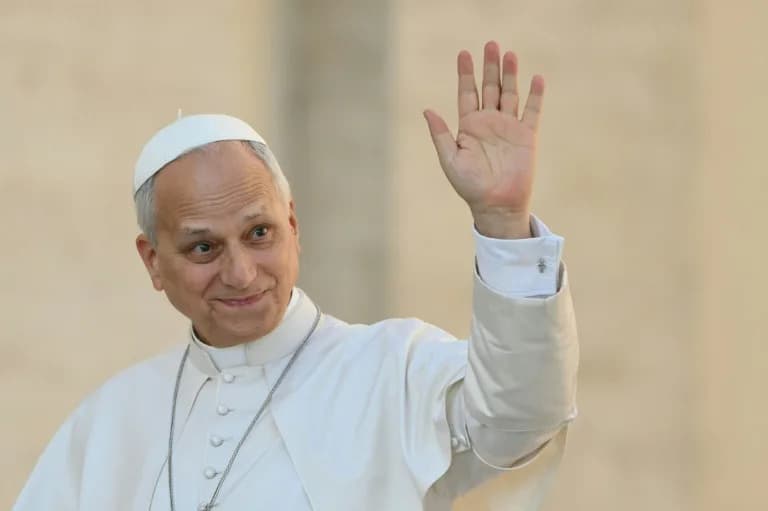
El-Enany described the pope as an important partner for international AI governance. The pontiff is due to visit UNESCO next week at the start of a four-day trip to France. According to the article, the visit is expected to mark the first papal appearance at UNESCO headquarters since 1980 and to launch closer cooperation focused on protecting human dignity amid rapid technological change.
The piece also cites the pope's recent statements urging limits on delegating decisions exclusively to algorithms and references an encyclical reported to call for measures to prevent AI from dominating human affairs.
Political Context
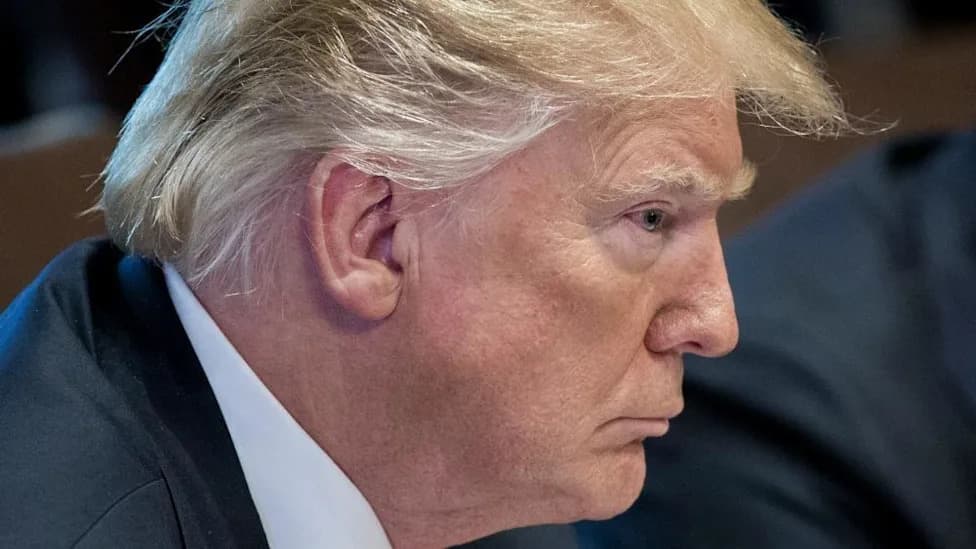
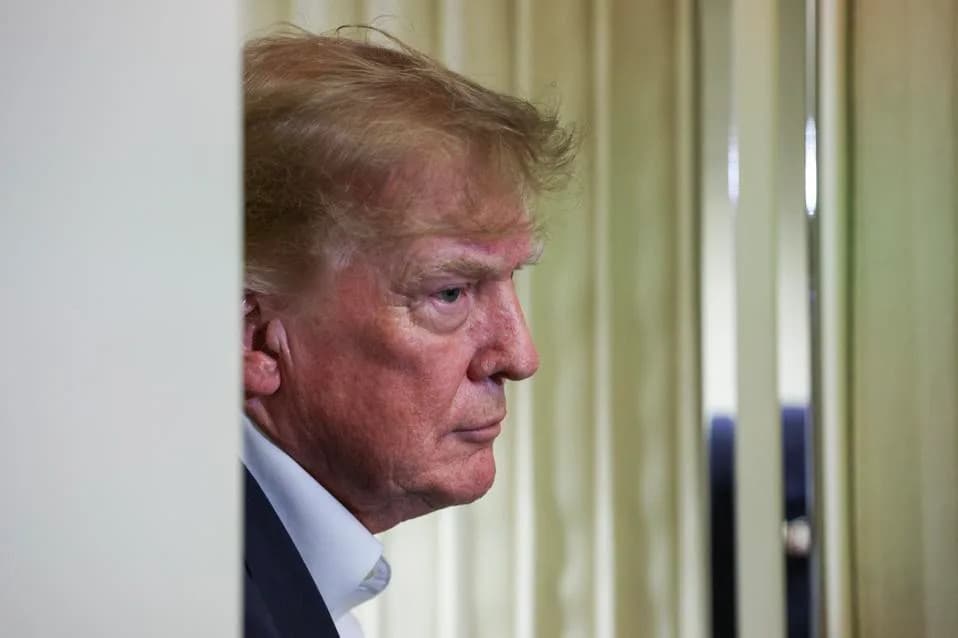
The debate over AI governance has intensified recently, with some researchers warning of existential risks from advanced self-improving systems and industry leaders calling for pauses or tighter safeguards on development. In contrast, US former President Donald Trump has publicly dismissed some AI risk warnings as a "hoax."
El-Enany's comments come against a backdrop of diplomatic tensions around UNESCO itself: the United States withdrew from the organisation under President Trump and later rejoined in 2023 under President Biden, while China has grown to become one of UNESCO's largest donors. When the US rejoined, then-Secretary of State Antony Blinken said Washington needed to be present for decisions that shape rules, norms and standards for AI.
El-Enany framed UNESCO's proposed role as convenor and moderator in the global conversation on AI: fostering dialogue, building consensus on ethical frameworks, and helping ensure that technological progress protects human dignity and democratic values.
Help us improve.