The Pioneer Institute and CancerCare report finds hospitals in the 340B drug-discount program spend a smaller share of operating expenses on charity care—2.16% versus 2.82% for non-340B hospitals, and 1.6% versus 2.26% for care to the uninsured. The analysis, based on CMS cost data from Q1 2025, urges auditable reporting and greater transparency of 340B revenue. Hospital groups argue charity care alone does not capture the full range of community benefits funded by 340B savings. Policymakers are considering reforms, including changes to discounts and Medicare payment rules.
Study: 340B Hospitals Spend Less On Charity Care Than Non-340B Peers, Report Finds
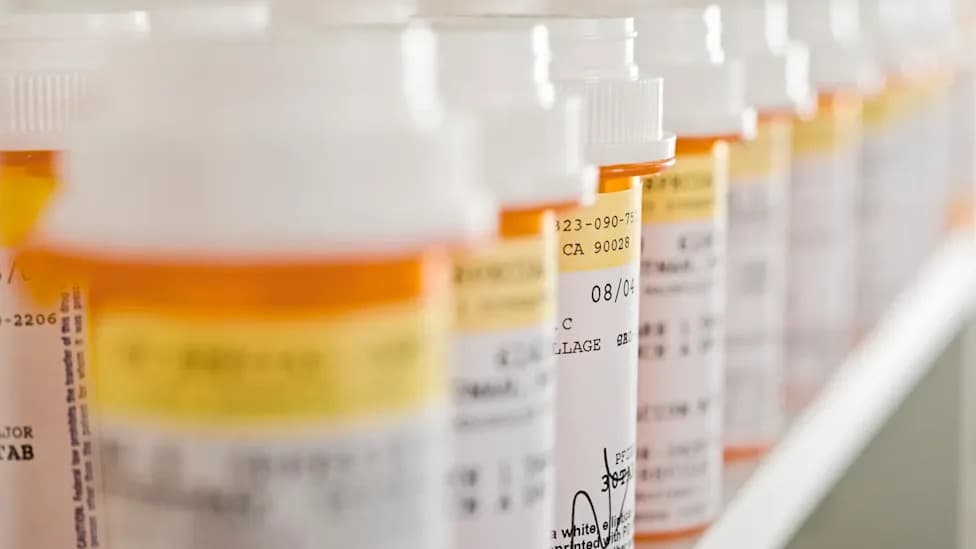
Various pill bottles stand arranged on a pharmacy shelf.
A new analysis from the conservative Pioneer Institute and the cancer-support group CancerCare finds that hospitals participating in the federal 340B drug-discount program devote a smaller share of operating expenses to charity care than comparable nonprofit hospitals that do not participate in 340B.
Key Findings
The report calculates that 340B hospitals spent 2.16% of operating expenses on charity care, compared with 2.82% at non-340B hospitals. For care provided specifically to uninsured patients, the gap was wider: 340B hospitals spent 1.6% of operating expenses on uninsured-patient charity care versus 2.26% at non-340B hospitals. The analysis draws on cost data from the Centers for Medicare & Medicaid Services for the first quarter of 2025 and includes thousands of hospitals.
Program Background
Congress created the 340B program in 1992 to help safety-net providers that treat large numbers of low-income and uninsured patients purchase outpatient drugs at discounted prices. Discounts generally range from roughly 25% to 50%, and participating providers retain the savings. While there is no legal requirement to dedicate 340B savings to charity care, critics argue the program’s financial benefits should be aligned with expanded services for vulnerable patients.
“The 340B program is intended to strengthen the healthcare safety net,” the report says. “A program with that purpose should demonstrate, in measurable terms, that its financial benefits align with vulnerable patients’ needs.”
Hospital Response
Hospital groups disputed the study’s focus on charity care as the sole metric for community benefit. The American Hospital Association (AHA) said the analysis is misleading because it ignores the range of services 340B savings support. Bharath Krishnamurthy, AHA director of pharmaceutical policy, noted that 340B hospitals report nearly $100 billion in total community benefits and use savings to fund behavioral health clinics, diabetes counseling, healthy food programs, and access to discounted medications.
Policy Implications And Next Steps
The Pioneer Institute and CancerCare recommend greater transparency, auditable reporting of 340B revenue, and potentially requiring 340B hospitals to demonstrate higher charity care levels than non-340B peers. The issue has attracted attention from federal policymakers: HHS has proposed replacing upfront discounts with a rebate model and signaled plans to reduce Medicare payment rates for 340B drugs, and lawmakers in Congress have floated legislative reforms, including proposals that would allow manufacturers to switch to rebates and tighten patient eligibility rules.
Hospitals and outpatient facilities purchased roughly $100 billion in 340B drugs last year, a nearly 23% increase year over year, underscoring why the program’s spending and oversight are increasingly scrutinized.
Bottom Line
The study raises questions about whether 340B program savings are translating into greater direct charity care for low-income and uninsured patients. Supporters of reform call for clearer reporting and accountability; hospitals say charity care is only one of many ways they use 340B savings to support underserved communities.
Help us improve.