New University of Maryland PPC polling finds broad bipartisan support for federal steps to lower health-care costs and expand access. Majorities of Democrats and Republicans back restoring enhanced ACA subsidies, increasing Medicaid funding, permitting a Medicare buy-in for 55–64-year-olds, offering a public option, capping drug prices to match other developed countries, and funding expanded substance-use treatment. The public consensus is clear; the question is whether Washington will follow it.
Survey: Americans Across Parties Agree — Washington Is Out Of Step On Health Care

Conversely, jobs in healthcare, like nurse practitioner, are expected to grow by 2035.
Health care costs are one of the most urgent crises facing American families: premiums have risen faster than inflation, and many people report rationing medications or skipping care to make ends meet.
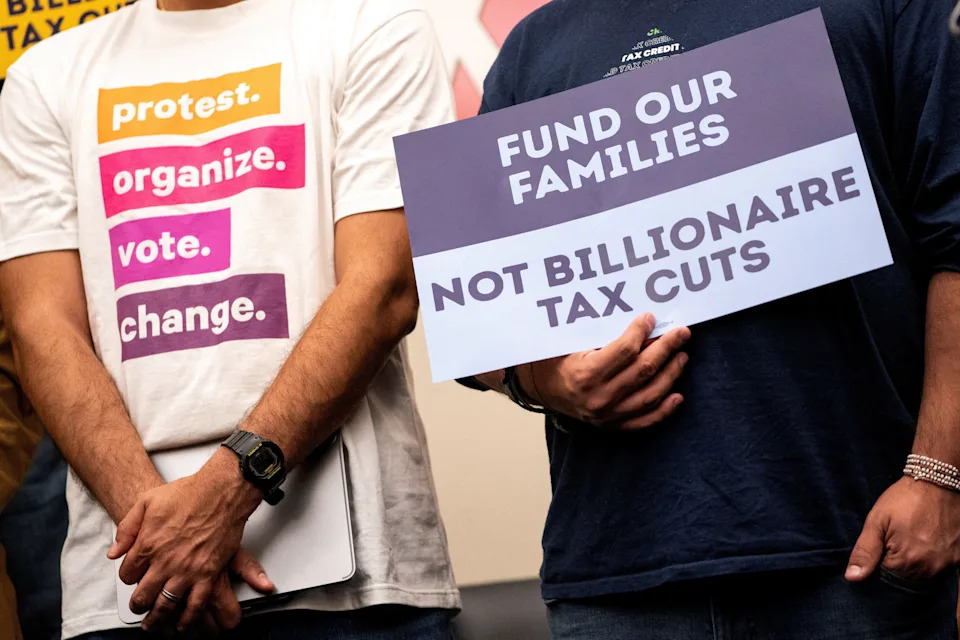
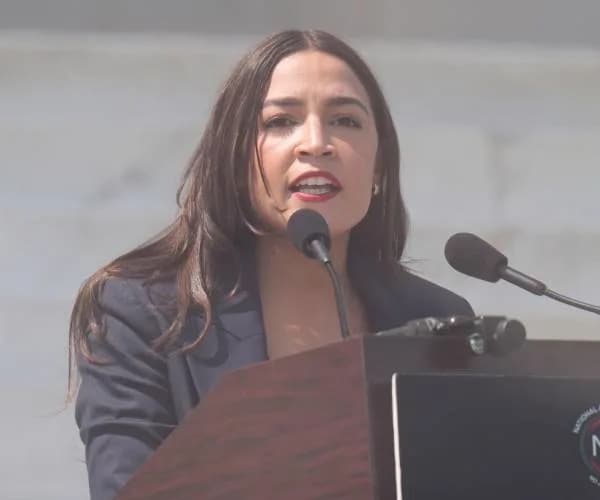
Demonstrators hold signs during a press conference to discuss cuts to Medicaid on Capitol Hill in Washington, D.C., on May 13, 2025.
New survey research from the University of Maryland's Program for Public Consultation (PPC) challenges the familiar political storyline that Democrats and Republicans are irreconcilably divided on the government's role in health care. PPC polled respondents nationally and within 11 states and 28 competitive House districts ahead of the November midterms. Across a range of specific proposals related to drug pricing, health insurance and substance-use treatment, large majorities in both parties favored federal action to lower costs and expand access.
A view of the dome of the U.S. Capitol building in Washington, DC, on Sept. 19, 2025.
Major Findings
The research reveals a clear throughline: Americans want the federal government to do more to help people afford care. While high-level ideological debates can appear polarized, respondents focused on practical solutions when presented with concrete options.

Cychlorphine, like other synthetic opioids, are often distributed in powder or tablet form.
Support for Restoring Enhanced ACA Subsidies
Nationally — 90% of Democrats; 73% of Republicans.
Competitive states and districts — 83–94% of Democrats; 65–85% of Republicans.
Support for Increasing Medicaid Funding to Cover More People
Nationally — 83% of Democrats; 59% of Republicans.
Competitive states and districts — 74–91% of Democrats; 51–83% of Republicans.
Support for Medicare Buy-In (Ages 55–64)
Nationally — 84% of Democrats; 75% of Republicans.
Competitive states and districts — 74–92% of Democrats; 66–87% of Republicans.
Support for a Public Option (Government-Run Plan Anyone Could Buy)
Nationally — 79% of Democrats; 76% of Republicans.
Competitive states and districts — 77–93% of Democrats; 66–84% of Republicans.
Support for Drug Price Caps Tied to Prices in Other Developed Countries
Nationally — 86% of Democrats; 90% of Republicans.
Competitive states and districts — 80–96% of Democrats; 81–95% of Republicans.
Support for $13 Billion to Expand Substance-Use Treatment Access
Nationally — 83% of Democrats; 69% of Republicans.
Competitive states and districts — 68–91% of Democrats; 57–91% of Republicans.
What This Means
On issue after issue — the ACA, Medicaid, Medicare buy-ins, a public option, drug pricing and substance-use treatment — bipartisan majorities back federal steps to make care more affordable and accessible. The results suggest the policy gap in Washington may be driven more by political institutions and incentives than by public disagreement.
Author: Steven Kull, director of the Program for Public Consultation (PPC) at the University of Maryland's School of Public Policy. This analysis originally appeared in USA TODAY.
Help us improve.