U.S. public universities are reporting sharp declines in international enrollment this fall, driven by federal visa uncertainty and new state screening rules. Notable drops were reported at the University of Colorado, Ohio State, Indiana University, University of North Texas, University of Maine System and the Universities of Wisconsin. Administrators warn that declines among international students—who often pay full tuition—are creating budget pressures despite some institutions reporting stable or growing overall enrollment.
Major U.S. Public Universities See Sharp Drops in International Students, Straining Budgets

A person talks on the phone while in an airport.
Major public universities across the United States reported notable declines in international student enrollment this fall, a pattern administrators link to federal visa tightening and heightened scrutiny of foreign students. Campuses releasing updated headcounts say the uncertainty around visa approvals and new state screening rules have reduced the pipeline of students from abroad.
Key Enrollment Shifts
At the University of Colorado system, overall fall enrollment fell 1.4% (926 students) from fall 2025 to fall 2026, with 582 fewer international students accounting for most of that decline, according to a recent presentation to the board of regents.
Ohio State University posted a modest 1.4% increase in total fall enrollment to just over 68,000 students, but international enrollment dropped 12.7% to 5,234. The university saw a particularly steep decline among students from China, which fell 20.7% year over year to 2,558.
Indiana University reported a 15.6% drop in international students to 4,763 in fall 2026. The decline exceeds the broader statewide trend: federal data show international enrollment in Indiana declined roughly 2.5% (from about 33,400 to roughly 32,500). State policy changes—including a requirement, effective mid‑August, that public colleges run background checks on certain foreign students from China, Russia and other countries in selected scientific fields—appear to have affected recruitment.
The University of Maine System, which has a relatively small international population (peaking at just over 600 in fall 2024), reported a 7.2% decline in international enrollment from fall 2025 to fall 2026. University administrators estimate that losing just 100 out‑of‑state students in a single cycle could cost UMaine about $7.2 million in revenue over four years.
Other Systems Reporting Losses
Preliminary figures show the University of North Texas lost more than 1,300 international students between fall 2025 and fall 2026, contributing to an overall enrollment decline of 3.6% to 42,016 students. UNT experienced an even larger fall in foreign students the previous year—roughly 2,500 fewer—and administrators say international graduate students accounted for much of that loss.
Across the Universities of Wisconsin's 13 campuses, institutional data indicate overall enrollment fell about 1% (roughly 1,732 students) in fall 2026. Nearly two‑thirds of that decrease—about 1,100 students—were international.
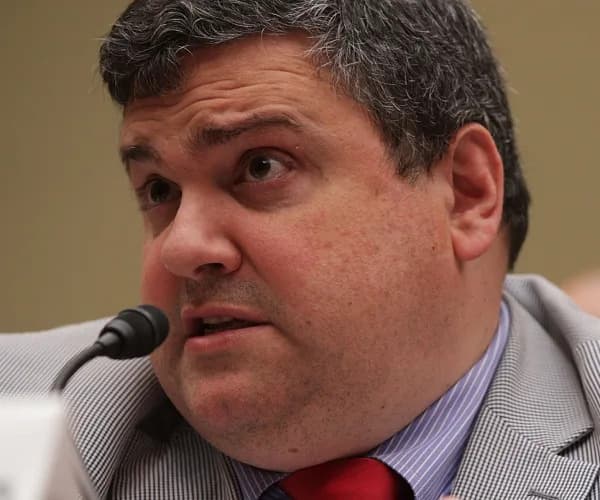
President Harrison Keller, University of North Texas: "We admitted about 2,700 master's students who were not able to attend. Each of those students would have brought between $20,000 and $25,000 to the institution. That's a significant hit."
What Administrators Worry About
Even when total enrollment grows or holds steady, losses among international students can mask budget pressure. International students often pay full tuition and contribute materially to campus budgets and graduate programs. With federal policy changes—some paused by courts—but persistent visa uncertainty and new state-level screening requirements, administrators warn the trend could produce substantial revenue shortfalls for affected campuses.
Help us improve.