U.S. colleges awarded 164,847 humanities bachelor's degrees in 2025 — the lowest since 1991 and a 30.4% drop from the 2012 peak. Humanities' share of all bachelor's degrees slid from nearly 15% in 2005 to 8.1% in 2025, with steep losses in English, history, languages and religious studies. Although the pace of decline has slowed, enrollment numbers suggest the undergraduate pipeline is shrinking and further declines remain likely. Economic concerns are pushing students toward fields such as engineering and health, even as humanities skills could become more valuable in an AI-driven economy.
Humanities Degrees at 34-Year Low — Why The Decline May Continue
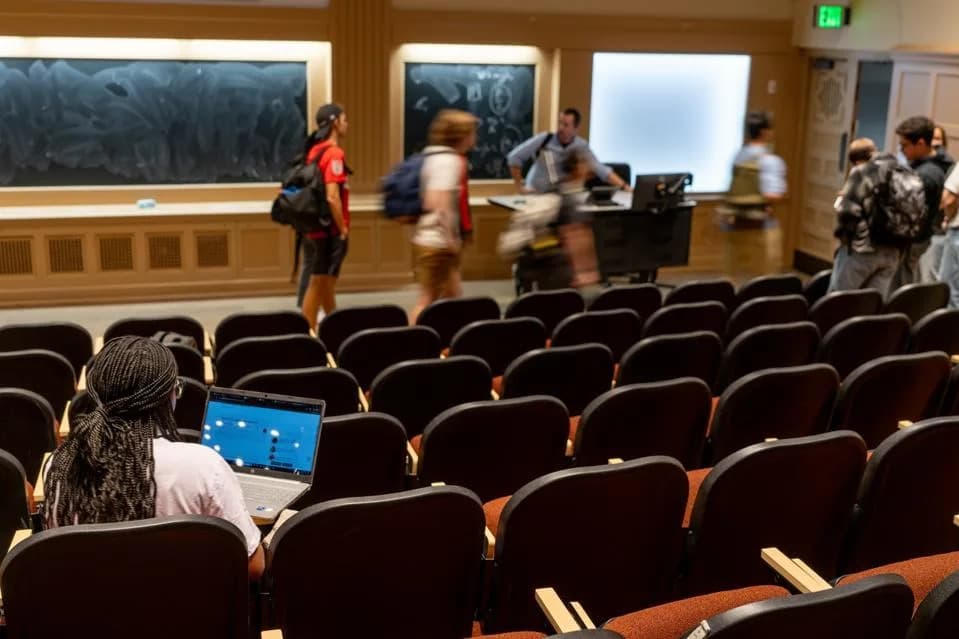
The number of humanities bachelor's degrees awarded in the U.S. has fallen to its lowest level since 1991.Getty Images
The number of humanities bachelor's degrees awarded in the United States dropped to 164,847 in 2025 — the fewest since 1991 — according to new data from the Humanities Indicators (a project of the American Academy of Arts & Sciences). That total represents a 30.4% decline from the field's recent peak in 2012 and reflects a long-term reshaping of the undergraduate landscape.
Data Snapshot
Share of All Bachelor's Degrees: Humanities accounted for nearly 15% of bachelor's degrees in 2005 but just 8.1% in 2025, the lowest proportion since comprehensive records began in 1987.
Major Declines (2012–2025): English degrees fell 43.8%, history declined 40.6%, languages and literatures other than English dropped 50.8%, and religious studies fell 56.3%.
Enrollment Trends: National Student Clearinghouse data analyzed by the American Academy show the number of students majoring primarily in the humanities declined from 556,369 in 2015 to 398,589 in 2025 — a 28% drop. Between 2020 and 2025, humanities and general liberal-arts enrollment fell 17% while fields such as business, engineering, natural sciences and health sciences rebounded from pandemic-era declines.
Is the Decline Slowing?
There is a recent easing in the pace of degree declines: humanities degrees dropped 12.7% between 2021 and 2023, then fell 2.1% from 2023 to 2024 and only 0.4% from 2024 to 2025. However, falling primary-major enrollment suggests the pipeline feeding those degrees remains thin and further declines are possible.
Why Students Are Turning Away
The causes are multifaceted, but economic concerns loom large. Rising tuition and growing focus on the financial return to a degree have made majors without an obvious career pathway harder to justify for cost-conscious students and families. As a result, fields perceived to offer clearer job prospects have gained ground: engineering rose from 7.3% of bachelor's degrees in 2012 to 13.2% in 2025, and health and medical sciences grew from 9.2% to 12.5%.
The Paradox: Humanities Skills May Become More Valuable
At the same time, advancements in artificial intelligence that make it easier to generate text and information may increase demand for the higher-order skills traditionally cultivated by the humanities — critical reading, clear writing and analytical reasoning. Yet colleges facing enrollment and budget pressures may find it difficult to sustain programs that attract fewer students, and dismantling departments can make future rebuilding costly and slow.
Practical Advice For Students And Families
These numbers are not an argument that humanities fields lack value, but they do call for careful planning:
- Research career outcomes for specific colleges and departments — results can vary widely by institution.
- Combine a humanities major with marketable skills through a minor, double major, or elective coursework in areas such as data analysis, economics, business, computer science or statistics.
- Pursue internships, research, and workplace experiences early to build a demonstrable résumé.
- Be realistic about first-job pathways: degrees like nursing or engineering more clearly map to identifiable entry-level roles; humanities majors may need to be more proactive in translating skills for employers.
Data sources: Humanities Indicators (American Academy of Arts & Sciences) and the National Student Clearinghouse. This article was originally published on Forbes.com.
Help us improve.