The Food Project pays teens $15 an hour to help grow roughly 200,000 pounds of produce used for hunger relief across about 70 acres. Running since 1991, the summer program trains youth in practical farming skills and supports community markets that accept electronic SNAP and matching benefits. A recent Greater Boston Food Bank study found food insecurity disproportionately affects Black, Hispanic, Alaska Native communities, college students and LGBTQ people. The nonprofit also installs approximately 100 raised beds annually to expand homegrown access to fresh produce.
Paying Teens to Fight Hunger: Boston Program Pays $15/Hour to Grow 200,000 Pounds of Food
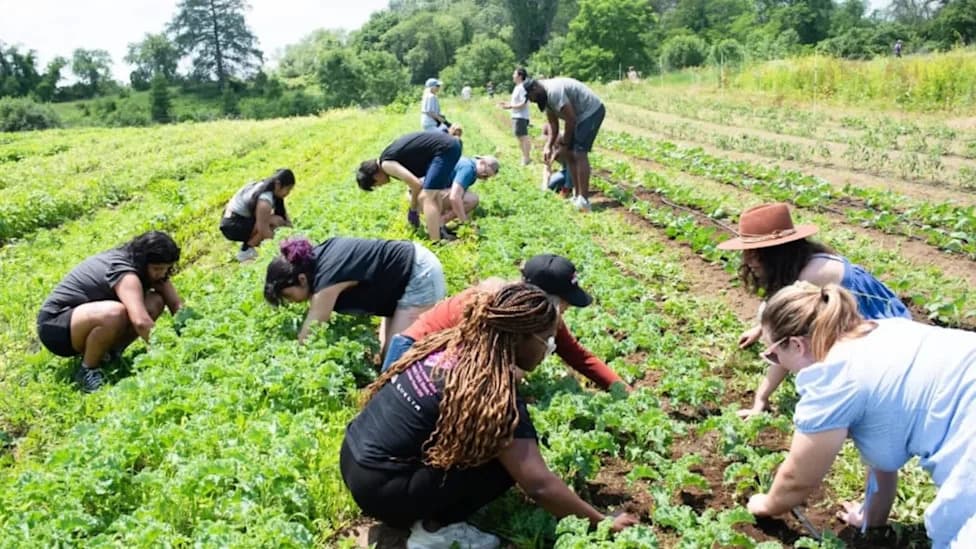
Photo Credit: Instagram
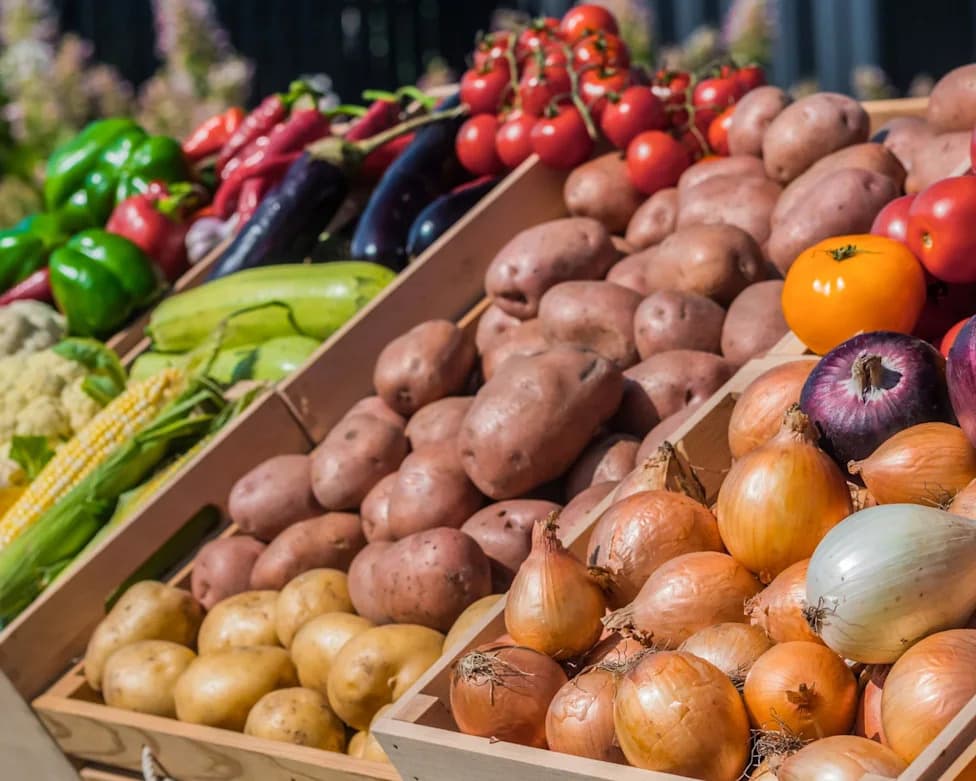
The Food Project in Massachusetts is using paid summer work to teach teens agricultural skills while producing large quantities of fresh food for neighbors in need. The program combines youth employment, hands-on training and community food access across roughly 70 acres of farmland.
The effort gained attention after Localize founder Zephyr Zoidis highlighted it on Instagram, noting that the nonprofit pays teens $15 an hour to help grow approximately 200,000 pounds of produce for hunger-relief programs.
According to The Food Project, its summer program has brought together teens from Boston and nearby suburbs every year since 1991. Participants work across multiple sites, and a substantial share of the harvest is distributed through hunger-relief partners and affordable community markets.
Markets, SNAP Access and Community Outreach
The nonprofit operates affordable produce markets in Boston's Dudley neighborhood and in Lynn. The Food Project says those markets were among the first in Massachusetts to accept electronic SNAP benefits and to pilot a matching program that was later expanded statewide, increasing purchasing power for low-income shoppers.
Why This Work Matters
The scale of the program comes amid persistent food need: one survey cited in local reporting found that 34% of Massachusetts households said they either lacked or could not afford enough food in a given month. A Greater Boston Food Bank study (surveying more than 3,000 adults between November 2023 and March 2024) found that food insecurity was disproportionately common among Black, Hispanic and Alaska Native communities, college students and LGBTQ people.
"Whether it's intentional or unintentional there is a system that doesn't grant access for local fresh, healthy foods for certain folks," said John Wang, co-director of strategy and organization support at The Food Project, speaking to The Boston Globe.
The Food Project also installs roughly 100 raised-bed gardens each year for households and community organizations, enabling more people to grow their own fresh produce and expanding access beyond the farm fields.
Danielle Andrews, Boston Farms and Greenhouse Manager, told the Globe that cost — not lack of interest — is often the main barrier to consuming fresh fruits and vegetables. "My experience is that everybody actually really does want them and they can't afford them," she said.
Youth Learning and Skill-Building
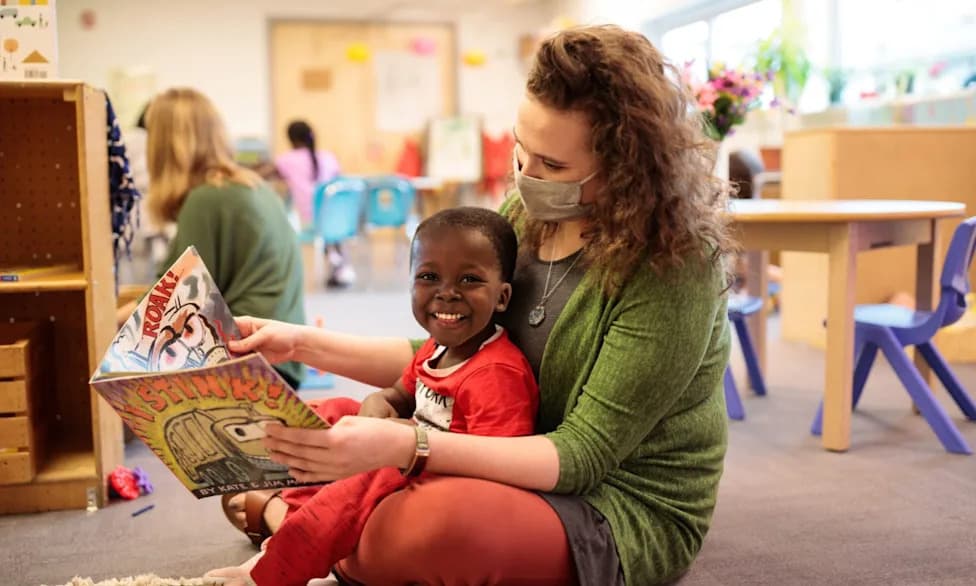
The program's Greater Boston Seed Crew hires teens ages 14 to 18 at $15 an hour and teaches practical skills such as harvesting, bed preparation, weeding, moving produce and maintaining equipment and facilities. Staff and older peers support leadership development and an understanding of how local food systems connect to health and community resilience.
Seventeen-year-old peer leader Nox Southard, in his third summer with the program, said seeing the work firsthand — moving harvests, handing produce to people and working through tough days in the heat — helps young people realize "you can do this" and see the impact of the work.
Replicable Models and Local Examples
Similar initiatives are appearing elsewhere, showing how schools, neighbors and nonprofits can use farms and food systems to help feed communities. Examples highlighted in local coverage include:
- A hydroponic garden at Ashwaubenon High School that supplies produce to the school cafeteria.
- In Los Angeles, Beverly Lofton converting a front lawn into a neighborhood microfarm to feed families.
- California-based ExtraFood using state-backed food-recovery programs to redirect meals to neighbors in need.
By paying young people fair wages and pairing work with education, The Food Project provides a model that advances both youth employment and local food security. The program’s combination of practical skills, market access and community distribution demonstrates how local agriculture can be mobilized to address hunger.
Help us improve.