New York City Public Schools has enacted a one-year moratorium on student-facing generative AI for prekindergarten through eighth grade, affecting nearly 600,000 students and banning companion chatbots districtwide. High school students get limited, supervised access to vetted tools plus two required 45-minute AI literacy modules, while teachers may use approved AI for planning but not for grading. Surveys (Pew and Common Sense Media, 2026) show widespread teen use of AI for schoolwork and frequent cognitive offloading. The district aims to teach AI literacy without replacing the essential, effortful learning process younger children need.
Let Kids Do the Thinking: Why NYC Paused Student-Facing AI for Young Children

A student arrives at her elementary school in Detroit.Carbon Stories
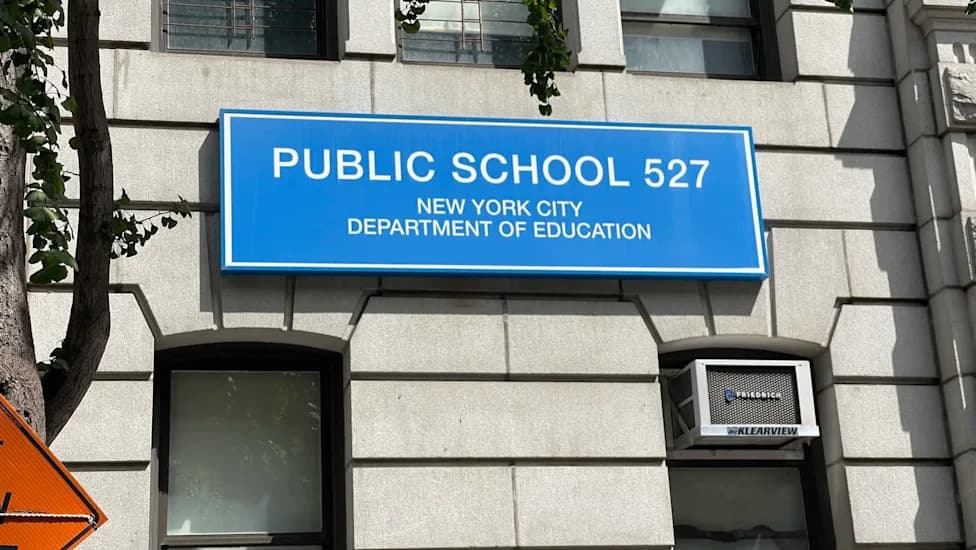
A student arrives at her elementary school in Detroit. This fall, New York City Public Schools—the largest district in the United States—introduced a one-year moratorium on student-facing generative artificial intelligence for prekindergarten through eighth grade, affecting nearly 600,000 students. Companion chatbots are banned across all grade levels.
High school students are not fully cut off: they will have limited, supervised access to vetted AI tools and must complete two required 45-minute AI literacy lessons. Teachers may use approved AI for planning and operational tasks, but not for grading or making major decisions about students—a distinction the district emphasized as important.
What the Policy Asks
The policy does not pretend AI will vanish. Instead, it asks a simple but foundational question: what should a child be able to do before we hand them a machine that can do that task for them?
Schools Chancellor Kamar Samuels said schools should be places where students “think, read, write, reason, solve problems, talk with one another, and work through difficulty.”
Evidence of Early Offloading
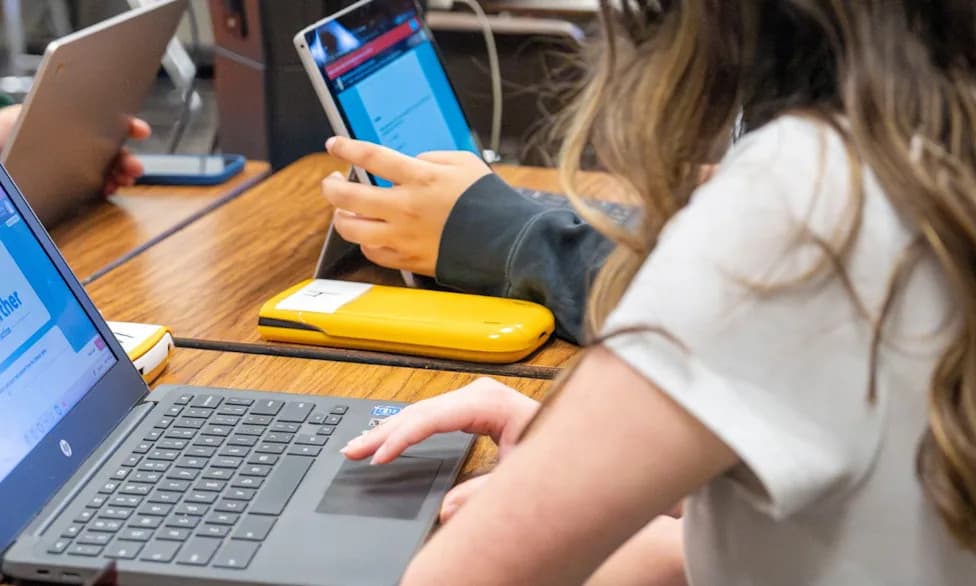
Students have already found ways to use AI as a shortcut. A February 2026 Pew Research Center survey reported that 54% of U.S. teens had used AI chatbots for schoolwork; one in ten said they used chatbots for most or all assignments, and 59% said AI cheating happened at least somewhat often in their schools. An August Common Sense Media survey found 70% of teens used AI for schoolwork, and 63% of those users acknowledged offloading some of the thinking required by assignments.
Why Young Children Might Need 'Cognitive Friction'
Research increasingly suggests that AI can support critical and creative thinking when embedded deliberately in structured, inquiry-driven instruction—but in unstructured settings it often leads to cognitive offloading and weaker engagement. A 2026 systematic review of 67 empirical studies in higher education found precisely that pattern.
Younger children learn through slow, imperfect practice: sounding out words before recognizing them, writing rough first drafts, doing arithmetic manually before using a calculator, debating story meaning, and persisting through mistakes until understanding clicks. From a developmental standpoint, that inefficiency is the point.
A Nuanced Approach
New York’s policy is not an absolute ban. High school students will learn about AI’s limitations, biases, privacy concerns, ethics, and career impacts. The district will permit tightly controlled pilots for up to 50,000 high school students and maintain exceptions for students with disabilities, multilingual learners, and career-readiness programs. In short, the city separates AI literacy instruction from unrestricted student access—a distinction that could prove consequential.
Mayor Zohran Mamdani captured the policy’s spirit: children need to “wrestle with tough problems on their own.”
Bottom Line
AI will reshape higher education and the workplace, so children must learn what AI is and how it works. But preparing young people for an AI-rich future also means protecting the human skills AI most easily short-circuits: reading entire texts, writing original paragraphs, doing basic calculations, consulting other people, tolerating boredom until ideas emerge, and building enough background knowledge to spot machine errors. Schools should ensure kids can do that work before giving them a button that makes it vanish.
Originally published on Forbes.com.
Help us improve.