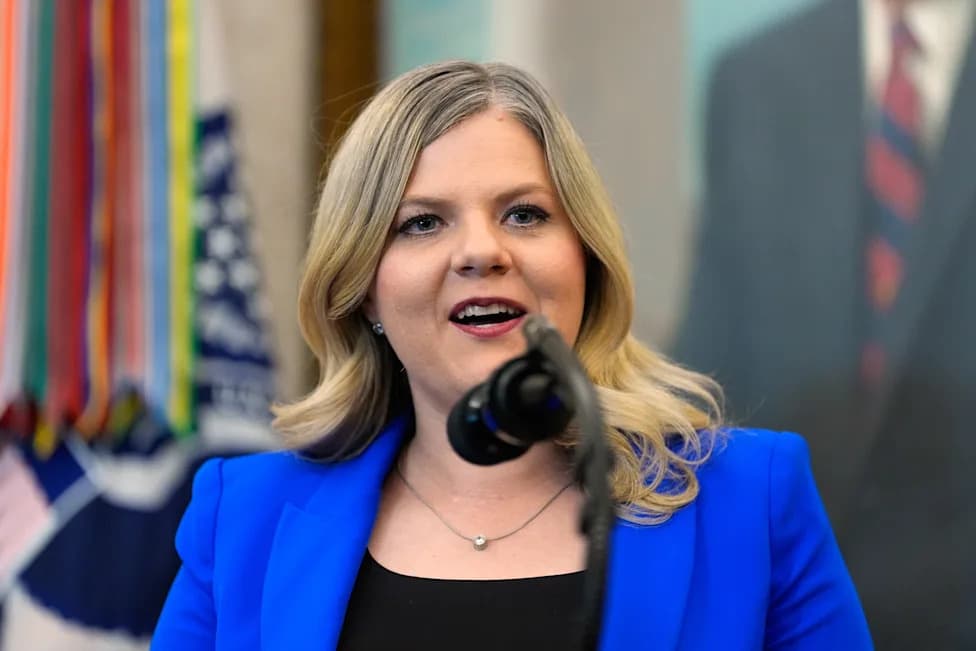
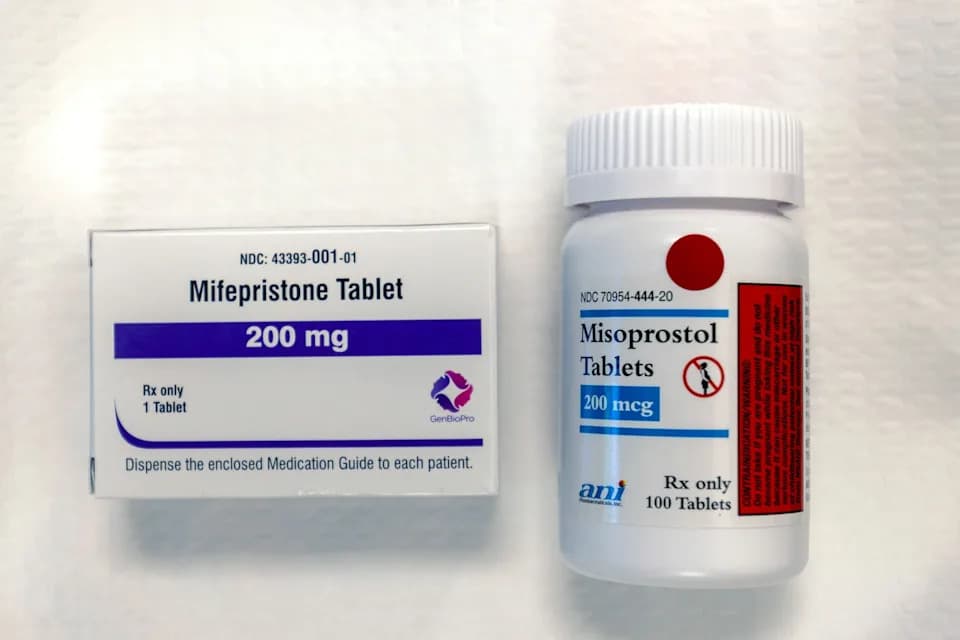
Dr. Heidi Overton, President Trump's nominee to lead the FDA, declined during her Senate confirmation hearing to say whether she believes certain contraceptives—such as IUDs—are a form of abortion and signaled she might revisit FDA approvals for the abortion drug mifepristone. Critics pointed to her previous statements calling mifepristone "dangerous" and warned that her leadership could threaten access to contraception and medication abortion. More than 160 patients and clinicians urged senators to reject her nomination, saying the FDA needs a leader committed to evidence-based medicine.
Trump’s FDA Nominee Declines To Say If IUDs Are Abortion, Signals Review Of Mifepristone
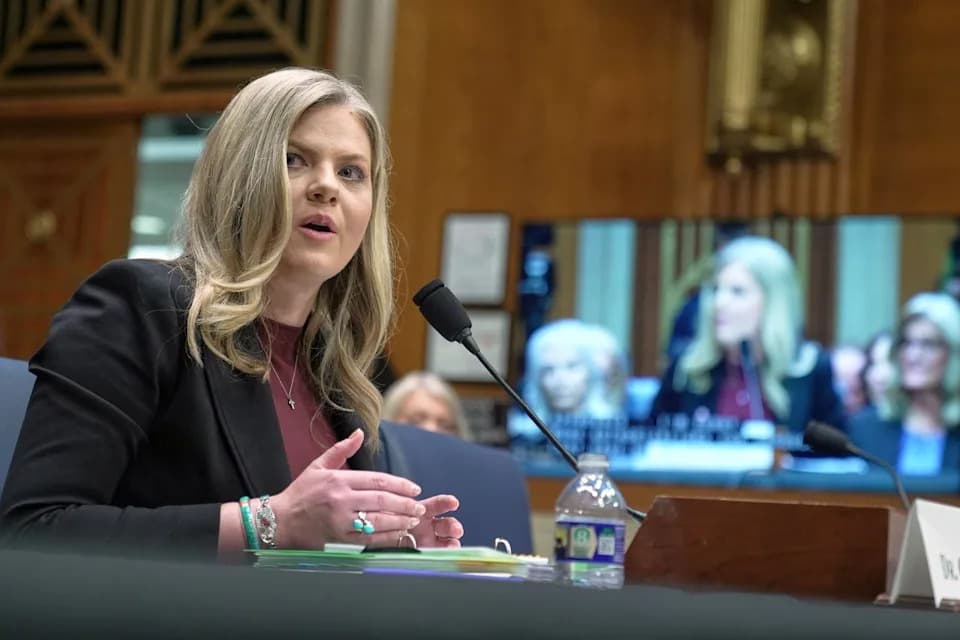
Heidi Overton, Donald Trump's nominee to lead the FDA, suggested she could revisit government approval of abortion drugs and refused to answer whether she believes IUDs are a form of abortion (AP)
Dr. Heidi Overton, President Donald Trump's nominee to lead the Food and Drug Administration, faced sharp questioning at her Senate confirmation hearing after she refused to state whether she believes some forms of contraception—specifically intrauterine devices (IUDs)—constitute abortion. Overton also suggested she might revisit federal approvals for mifepristone, a widely used medication for abortion, and said she would consider a "post-market review" if confirmed.
Overton, an outspoken anti-abortion physician, was pressed by senators about her prior writings and public statements. When asked twice whether she considers IUDs to be a form of abortion, she declined a direct answer and said she would be "fully briefed on all their prior decisions and make determinations according to the standards of safety and efficacy" if confirmed.
"Well, I don't think you answered the question," Democratic Sen. Patty Murray responded. "It is outrageous and deeply alarming that the prospect of an FDA commissioner who doesn't know that birth control is not an abortion is concerning to me."
Before the hearing, Overton described the Supreme Court decision that overturned Roe v. Wade as "a huge victory for life" and authored a 2023 paper for the America First Policy Institute that characterized mifepristone as "dangerous to women." Those assertions conflict with decades of scientific evidence and the FDA's longstanding safety determinations, critics say.
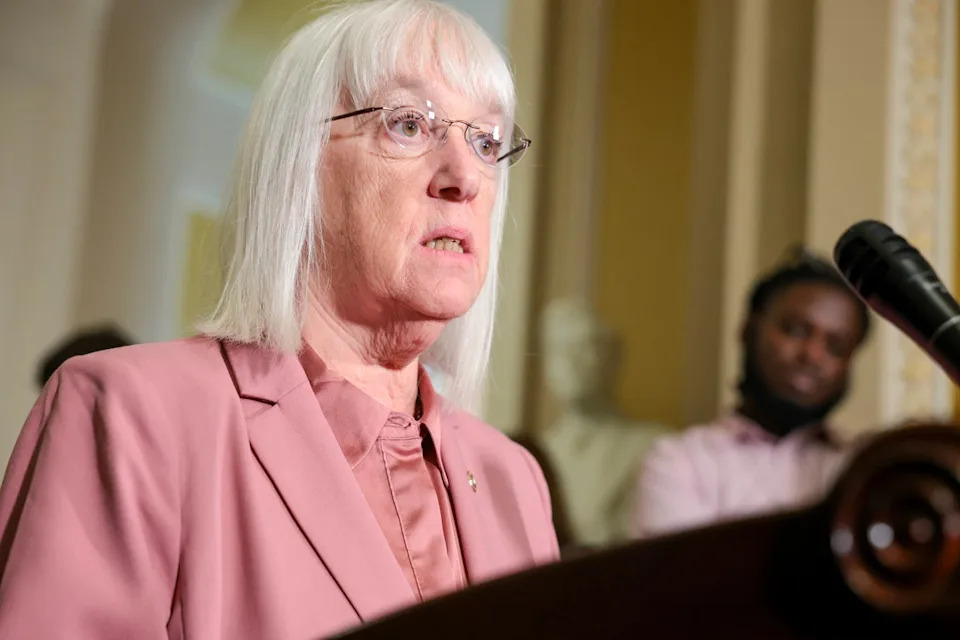
Sen. Patty Murray, the top Democrat on the Senate Health committee, grilled Overtorn during her confirmation hearing on September 24 and said she was 'alarmed' by her comments (Getty)
Legal and Policy Stakes
Mifepristone's approval and availability are currently the subject of multiple federal lawsuits. The drug was first approved by the FDA more than 20 years ago and is used in the majority of medication abortions. According to the Guttmacher Institute, medication abortion accounts for roughly 63% of all abortions in the United States, and CDC data indicate nearly 93% of abortions are performed before 13 weeks of pregnancy.
In 2021 the FDA removed the in-person dispensing requirement for mifepristone, enabling access via telehealth and online pharmacies—a change that advocates say expanded safe access for many patients. Anti-abortion groups and some administration officials have pressed to reverse telehealth access and even to restrict or ban certain contraceptives, including IUDs and emergency contraception, which public health experts say do not cause abortion.
Reactions From Clinicians And Advocates
More than 160 patients, physicians and advocates urged senators to reject Overton's nomination, arguing that the FDA needs a leader who will defend evidence-based medicine and the agency's independence. Dr. David Hackney, a maternal-fetal medicine physician, warned the agency needs someone who can "restore confidence" and resist political pressure. Patients who have relied on medication abortion for miscarriage care and other medical reasons also described how access to these medicines was essential to their health.
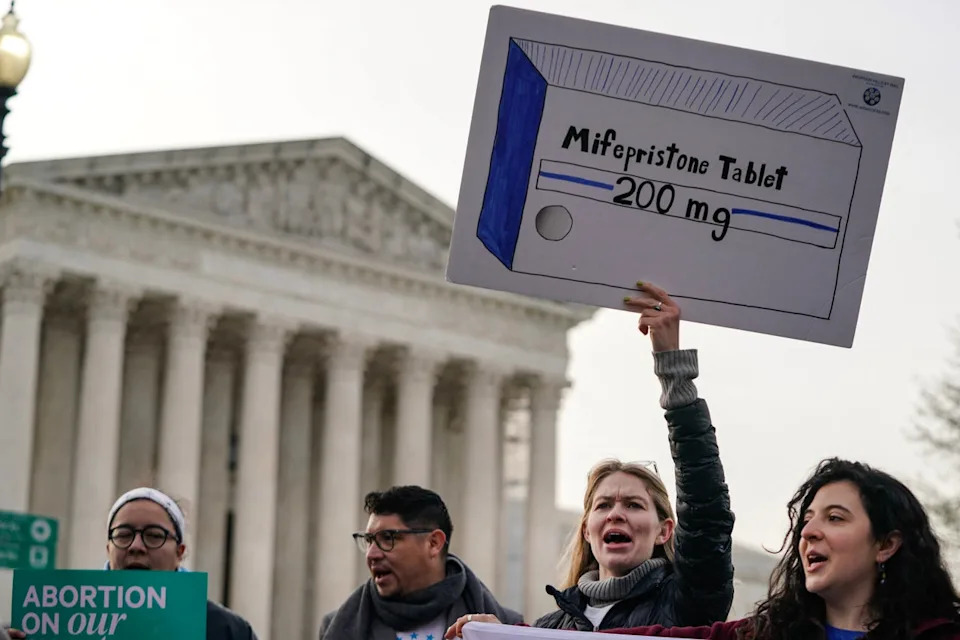
Anti-abortion activists are pressing the Trump administration to reverse government approval for the widely used abortion drug mifepristone, which is at the center of at least five federal court cases (AFP/Getty)
After the hearing, Dr. Ghazaleh Moayedi, board chair of Physicians for Reproductive Health, said Overton's record suggests she would prioritize ideology over evidence-based public health policy and that her nomination was "insulting to a public institution entrusted with the health and safety of our nation."
Senate Republicans, including Sen. Bill Cassidy, have asked the FDA to "take immediate action" regarding what they describe as an increase in abortion drug availability. Legal challenges continue to play out in the courts, and a decision that restricts mifepristone nationally could reshape access to reproductive care even in states where abortion remains legal.
Why it matters: The FDA commissioner oversees drug approvals, safety oversight and policy decisions that affect access to contraception and abortion medication. A nominee who questions established scientific conclusions or declines to clarify core positions on reproductive health raises concern among clinicians, patients and public-health advocates about future policy and access.
Help us improve.