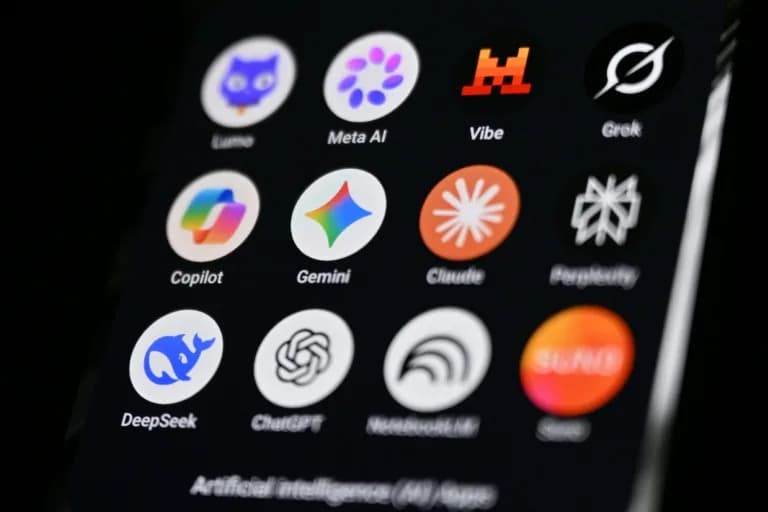
New York City and Los Angeles have restricted student access to generative AI this school year, citing concerns about cheating, privacy and student dependence on chatbots. NYC instituted a one-year moratorium for pre-K through grade 8 and requires high schoolers to take two 45-minute AI literacy modules annually; LA bars AI on school-issued devices while allowing some teacher use. Other districts nationwide are imposing similar limits as schools balance risks with the potential educational benefits of AI.
NYC and LA Temporarily Restrict Student Use of Generative AI as Schools Weigh Risks and Benefits

Photo Credit: iStock
New York City and Los Angeles — the two largest U.S. public school systems — have moved to limit student access to generative artificial intelligence this school year as officials weigh potential harms and educational benefits.
What the Districts Announced
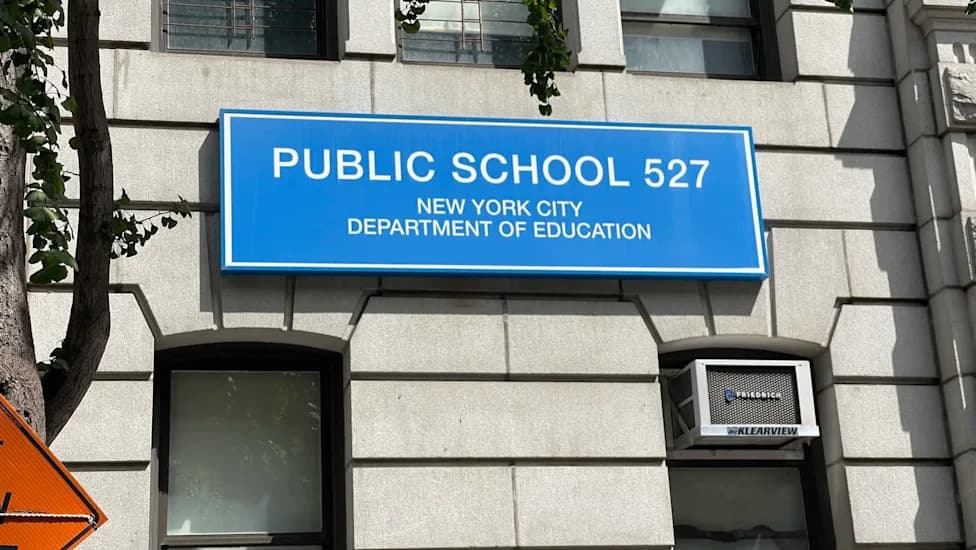
New York City has imposed a one-year moratorium on generative AI for students in pre-kindergarten through eighth grade. High school students will complete two 45-minute AI literacy modules each year, and select career-focused and pilot programs will be allowed. The city says the restrictions affect roughly 600,000 students. Teachers may continue using approved AI tools for lesson planning and operations, subject to NYCPS safety standards, and exemptions will be made for tools that support multilingual learners and students with disabilities.
Los Angeles has prohibited student use of generative AI on school-issued devices for the current school year. District guidance reported by The Los Angeles Times indicates teachers will still be permitted to use some AI tools for instruction.
Why Officials Are Concerned
School leaders cite several risks: increased cheating, student data privacy and security, growing screen dependence, and the possibility that young learners might rely on chatbots instead of developing independent reading, writing and problem-solving skills.
Arguments For Careful Integration
Proponents of classroom AI integration warn that outright bans could deny students valuable exposure to technologies likely to shape college and careers, leaving them unprepared for future workplaces. Many educators advocate for focused instruction in AI literacy and tightly controlled, age-appropriate use instead of blanket prohibitions.
Broader Context and Examples
Other U.S. districts — including ones in Colorado, Kansas, Minnesota, Texas and Washington — have enacted bans or limits on tools like ChatGPT. Internationally, students and schools are experimenting with AI-powered projects: for example, teenagers at Abu Dhabi’s EcoMind Academy developed an AI app to support classroom learning.
Psychologists and child-safety advocates warn the rapid spread of AI tools could increase dependence and raise regulatory concerns. Parents have also reported worrying examples, such as AI-enabled toys that may encourage unsafe behaviors.
What Comes Next
As generative AI becomes more embedded in children’s lives, many districts are taking a cautious, iterative approach: piloting programs, teaching AI literacy, and developing policies that balance potential educational benefits with student safety and privacy. The debate centers on where AI helps learning and where it hinders development — and how closely adults should monitor its use.
Help us improve.