The Italian government has approved a decree banning the burqa and niqab in schools while setting a 30% cap on pupils without Italian citizenship or with limited Italian skills in any single class. The measure is presented as a step to improve integration and promote gender equality; critics say it panders to the hard right ahead of next year’s election. The decree can take immediate effect but must be ratified by parliament within 60 days.
Italy Approves School Ban On Burqa And Niqab, Sets 30% Cap On Limited‑Italian Pupils
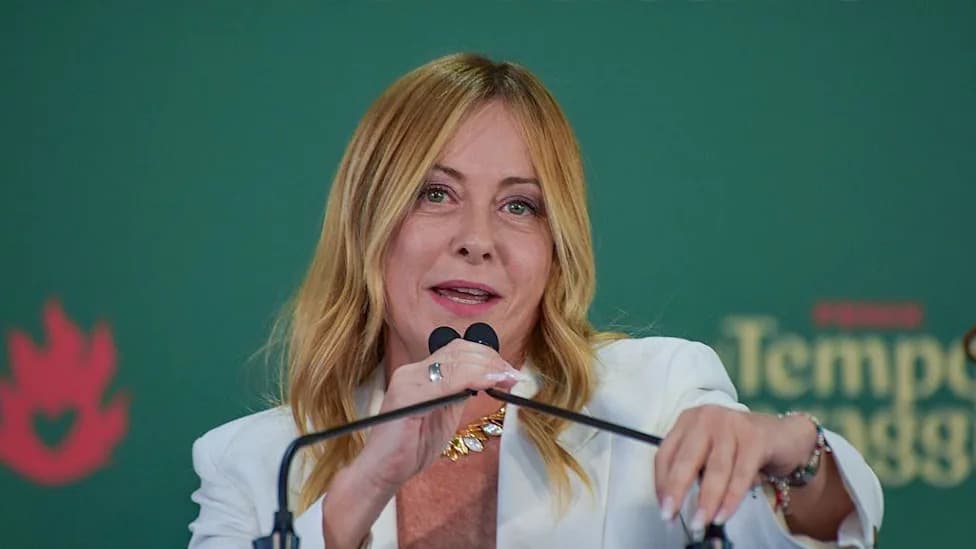
[Vincenzo Nuzzolese/SOPA Images/LightRocket via Getty Images]
The Italian government has approved a decree banning the burqa and niqab in schools and imposing a 30% cap on pupils who lack Italian citizenship or have limited Italian language skills in any single class. Officials say the moves are aimed at promoting integration and gender equality; opponents call them political and divisive ahead of next year’s general election.
What the Decree Does
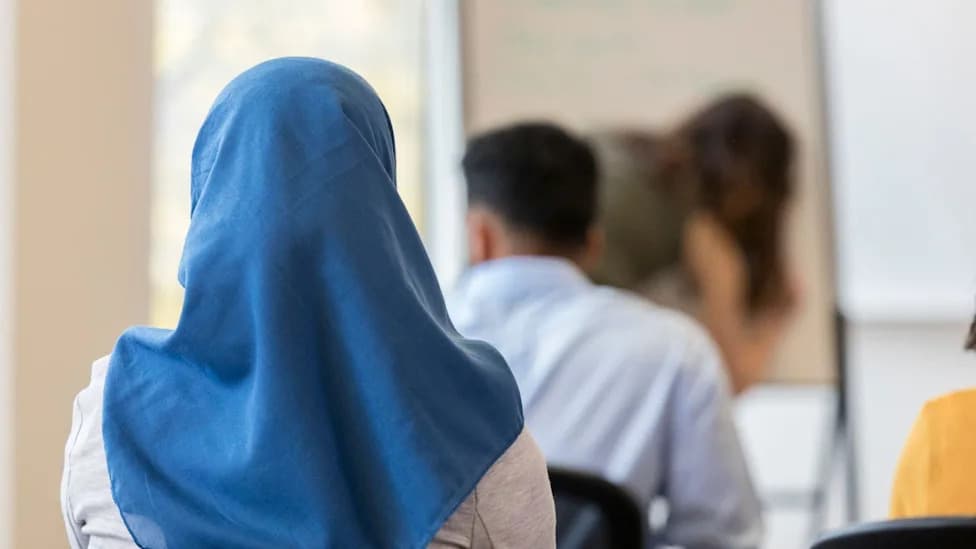
The decree outlaws face‑covering veils that fully conceal the face in school settings — specifically the niqab and the burka — while leaving the hijab, which leaves the face visible, permitted. It also establishes a 30% limit on the share of pupils with limited Italian in the first year of primary, lower secondary and upper secondary school.
Who Counts Toward The 30% Cap
Criteria differ by school stage:
- Primary schools: Non‑Italian citizens who were not born in Italy or who have not attended at least two years of nursery school.
- Lower and upper secondary: Pupils without Italian citizenship who have not completed at least three years in the Italian school system.
Implementation And Exemptions
Local school authorities will be asked to redistribute pupils with limited Italian more evenly among nearby schools to avoid so‑called "ghetto classes." Where redistribution is impractical, exemptions can be granted and extra Italian lessons provided. The draft also requires schools to notify social services if persistent parental language barriers are hindering a child’s integration; free Italian courses for parents would be offered.
Political Reaction
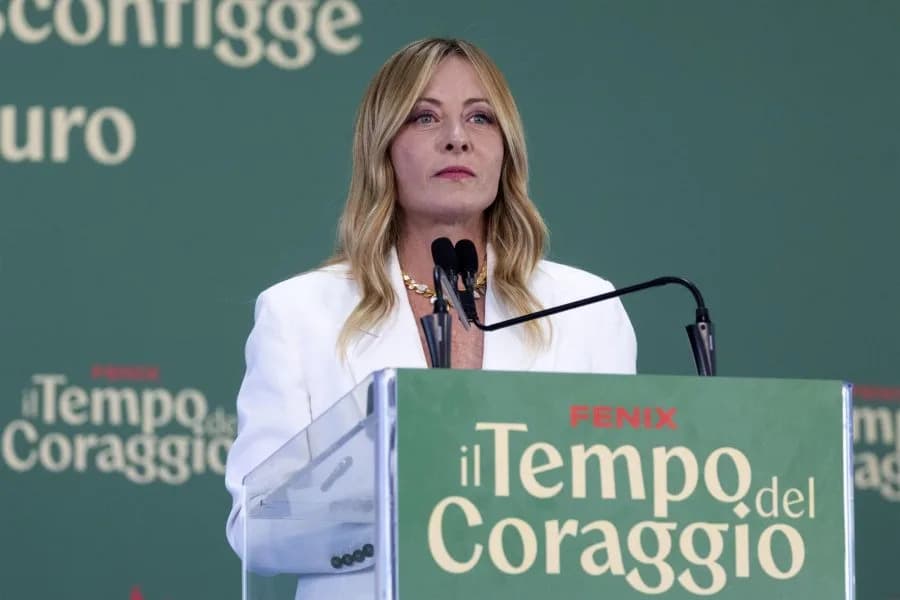
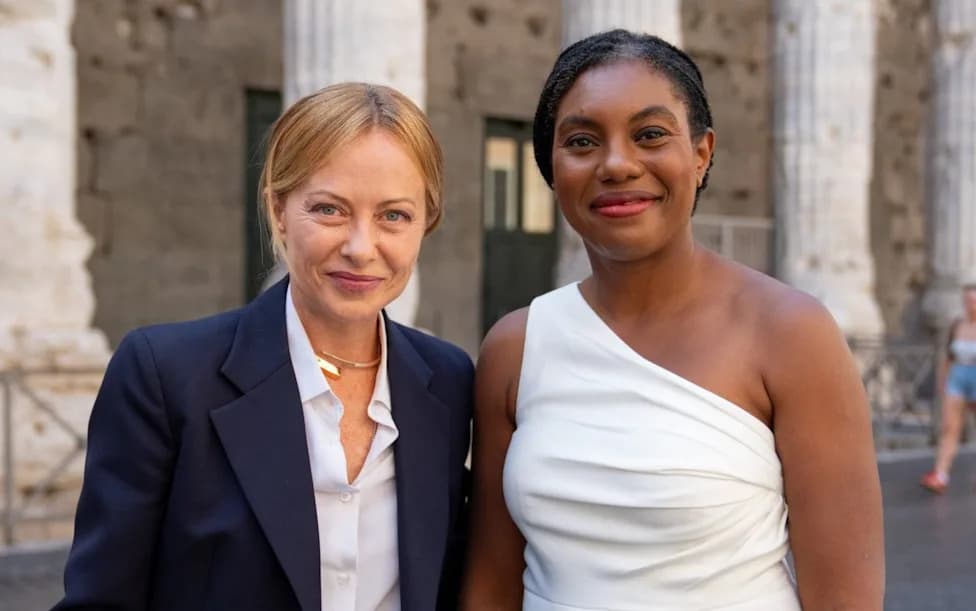
Prime Minister Giorgia Meloni described the measures as "common‑sense tools that do not divide but really help to integrate," adding:
"You must go to school with your face uncovered."
Education Minister Giuseppe Valditara said the cap is "purely linguistic" rather than a restriction based on citizenship, and framed the veil ban in part as a gender‑equality measure.
Opposition parties criticized the package as politically motivated. Elly Schlein, leader of the centre‑left Democratic Party, called the plan "propaganda" and said it would be hard to implement; PD deputy Anna Ascani also denounced it as political posturing at the expense of pupils. Critics say the government is yielding to pressure from the hard‑right Futuro Nazionale party, led by retired general Roberto Vannacci. Vannacci welcomed the measures, saying they should have been introduced earlier. Matteo Salvini of the League has launched related proposals on so‑called "political Islam" and urged cooperation from other right‑wing groups.
Legal Status And Context
The provision is being enacted as a decree law, so it can take immediate effect but must be ratified by parliament within 60 days to remain in force. The decree formalizes a practice recommended in a 2010 ministerial notice — also advising a 30% rule "as a guideline" for classes with pupils without Italian citizenship — by turning it into law. According to Fondazione ISMU, non‑Italian citizens make up about 11.6% of pupils in Italy.
Key Points To Watch
Implementation challenges include accurately identifying eligible pupils, redistributing students across schools, providing sufficient extra‑language support, and managing legal and political pushback as the measure goes before parliament.
Help us improve.