At a packed Sept. 17 meeting, Chicago residents and local leaders overwhelmingly opposed Amtrak's proposed $900 million maintenance facility on the South Side, demanding fuller environmental review, public soil‑sample data and construction noise mitigation. The FRA has issued a categorical exclusion, meaning no full environmental assessment is required, which opponents criticized. While U.S. Senators Dick Durbin and Tammy Duckworth back the project, local officials say they were not properly consulted and called for a pause until community concerns are addressed.
Chicago Residents and Officials Rally Against Amtrak’s $900M South Side Maintenance Yard
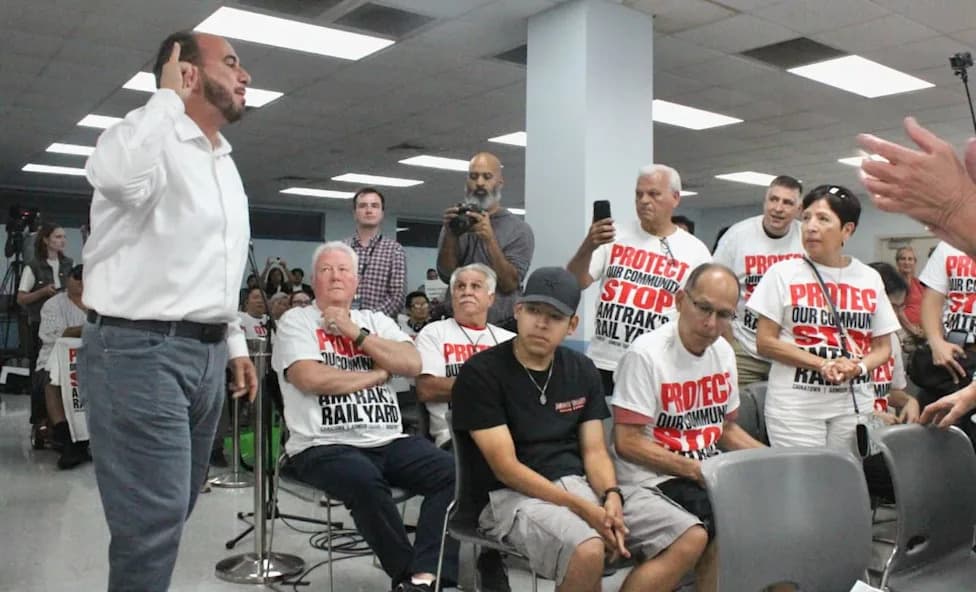
Resident Carmine Giso makes a point during a Sept. 17 meeting on Amtrak's proposed Chicago maintenance facility, eliciting a positive reaction from project opponents. Bob Johnston
CHICAGO — At a public meeting on Sept. 17, hundreds of residents and local officials filled the Mid‑America Carpenters Regional Council to oppose Amtrak's proposed $900 million maintenance facility on the South Side. Organizers moved the session to a larger room and reported more than 200 people in overflow spaces, with some latecomers watching on a video monitor in the union hall parking lot.
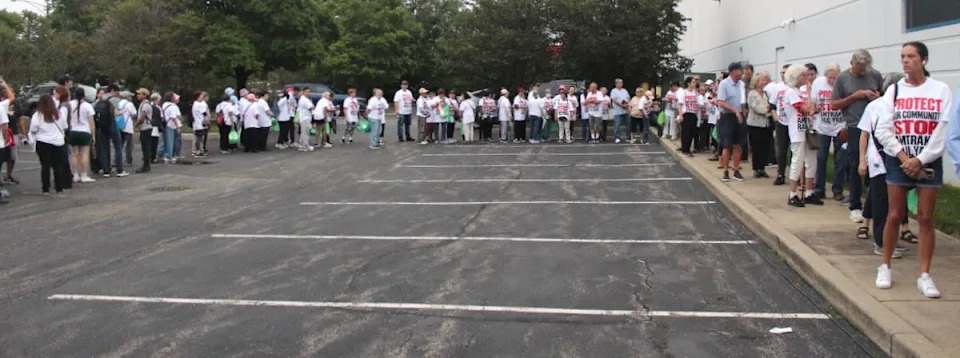
Attendees line up and wait for the doors to open for the Sept. 17 meeting on Amtrak's maintenance facility. Bob Johnston
Project Presentation and Immediate Backlash
Amtrak's head of commercial development, Steven Segerlin, led a team that included representatives of developer Canal Edge and firms handling design, construction and environmental work. The presenters used a roughly 30‑minute PowerPoint adapted from the project's updated website and emphasized that the new facility would reduce delays through better maintenance.
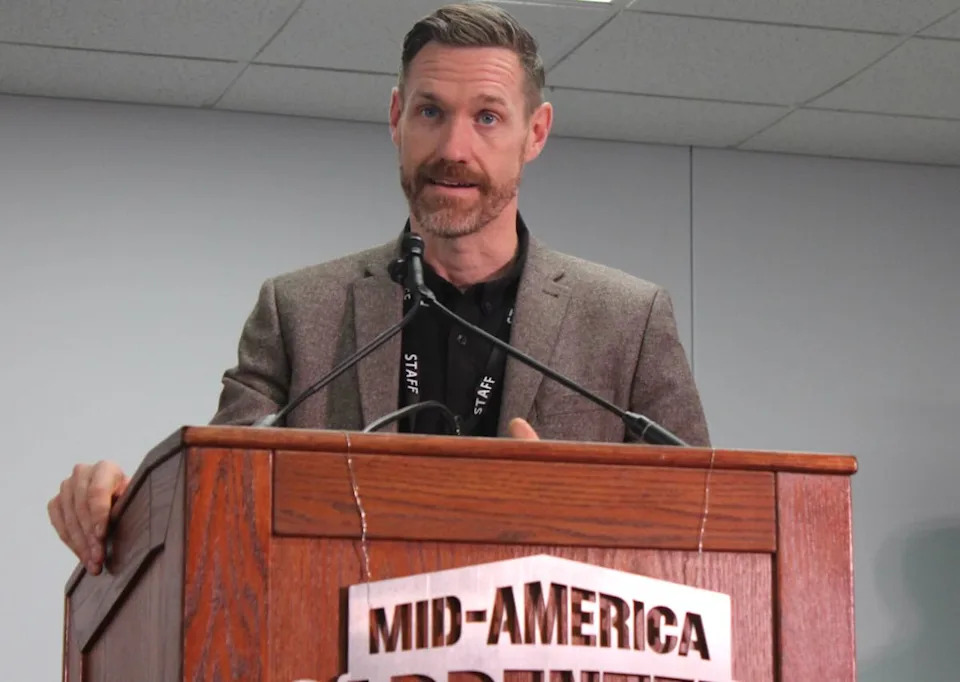
Amtrak's Steven Segerlin addresses the crowd at the Sept. 17 meeting about the company's planned maintenance facility. Bob Johnston
Attendees pushed back on that claim, and industry reporting has also noted that the site's configuration could introduce new operational constraints because of longer backup moves. Presenters showed sunny‑day photos intended to demonstrate that trees would screen a five‑track maintenance building; several residents asked to see wintertime views when trees are leafless.
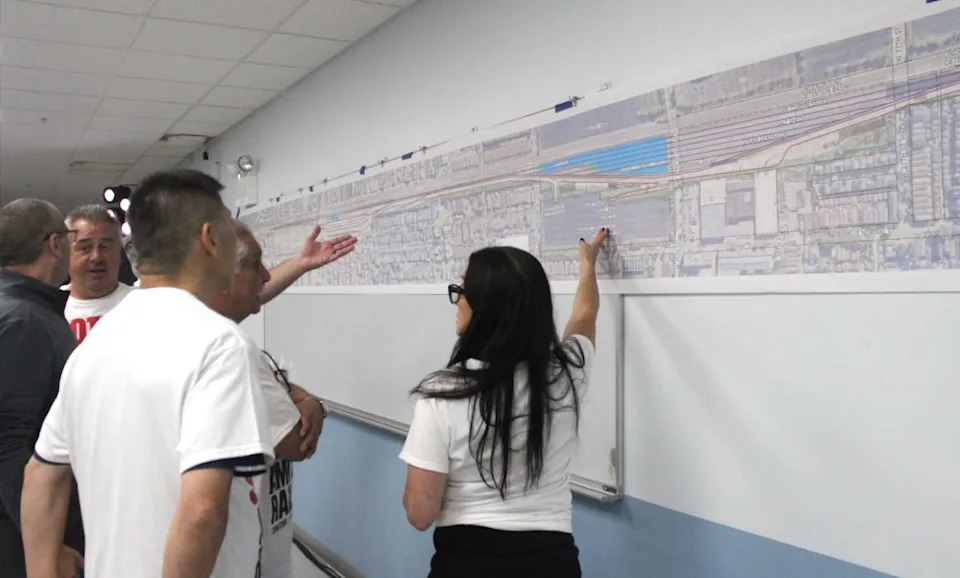
Meeting attendees examine a plan of the Amtrak maintenance facility on Sept. 17, 2026. Bob Johnston
Environmental Review And Community Concerns
Presenters explained that the Federal Railroad Administration (FRA) issued a "categorical exclusion," meaning the project does not require a full environmental assessment. Opponents pointed out that the categorical exclusion relies heavily on the land's historic use as a railyard and argued that proximity to current residences and community assets demands more scrutiny.
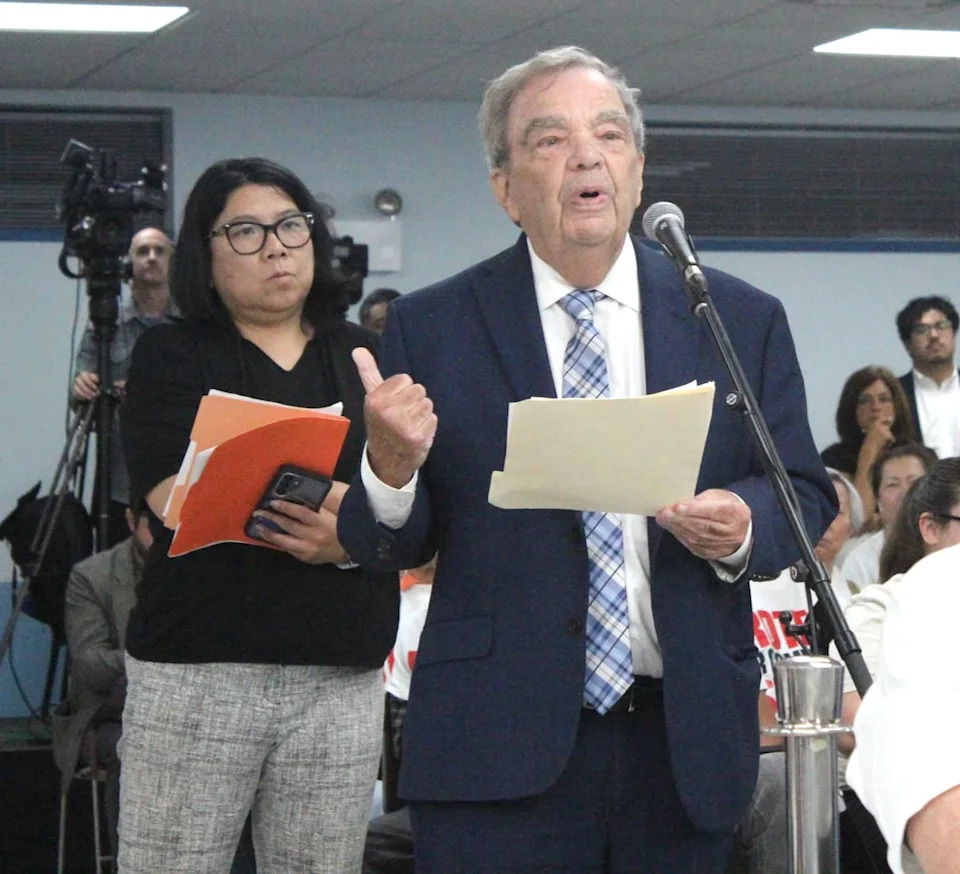
Cook County Commissioner John P. Daley speaks as Chicago Ald. Nicole Lee prepares to conclude Thursday's meeting. Every politician who spoke claimed they were not consulted in advance of the project's announcement. Bob Johnston
Meeting Dynamics And Public Demands
The 90‑minute meeting format was intended to allow one‑minute public comments followed by statements from politicians, but the session was frequently interrupted by shouting and applause. Microphones were cut if speakers exceeded the one‑minute limit by roughly 30 seconds, which drew boos from the crowd. Several union members who supported the project for its job prospects were also met with jeers.
Community requests presented to Amtrak and the developers included:
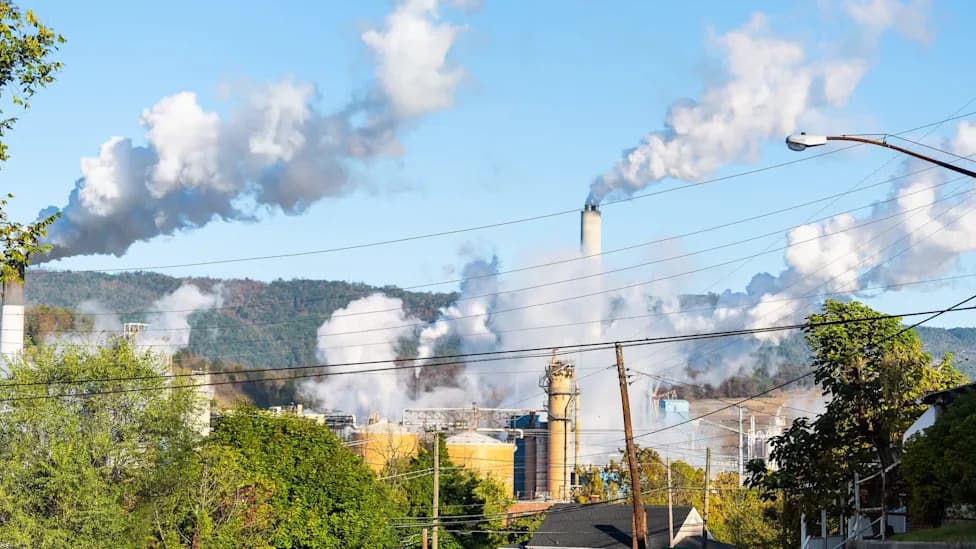
- Publication of complete soil‑sampling results before any excavation, citing fears that construction could release toxic dust from the former railyard.
- Revision or expansion of environmental studies to include adjacent properties that were excluded from the original analysis, specifically the playground at Armour Square Park just south of 33rd Street.
- A detailed plan for construction and operational noise and vibration mitigation, and timelines for when mitigation measures will be in place.
- A transparent review explaining how the FRA approved the project so quickly after a grant request filed earlier in the year.
- A commitment to meaningful, documented community engagement and a pause on groundbreaking until residents' core concerns are addressed.
"It's not asking too much to pump the brakes — don't put shovels in the ground until you engage this community properly," said Chicago Alderwoman Nicole Lee, who closed the meeting. "We are not going to stop."
Politics, Redevelopment And Local Stakes
Illinois U.S. Senators Dick Durbin and Tammy Duckworth have expressed support for the facility. But local elected officials at the meeting — including Cook County Commissioner John P. Daley and Alderwoman Nicole Lee — said they were not consulted before November 2025, despite reports that Amtrak had identified the site years earlier in anticipation of potential funding.
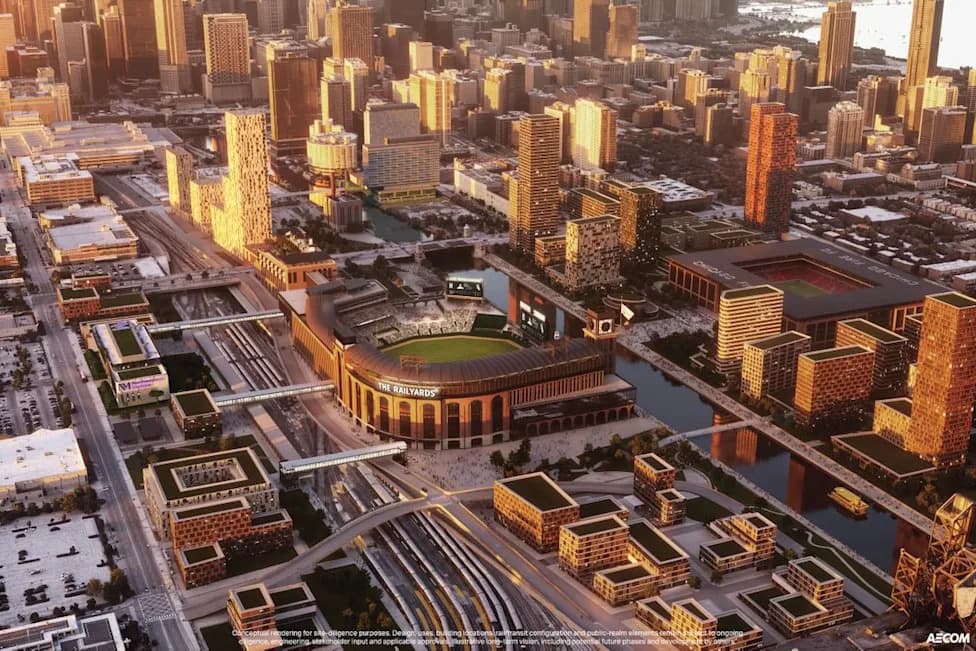
Amtrak says the new maintenance facility would free its current 14th Street yard for redevelopment. A recently released proposal for that site includes a possible new ballpark for the Chicago White Sox. Neighbors worry that the plan would trade the economic activity and jobs generated by the team and stadium for an industrial maintenance yard immediately adjacent to homes.
For corrections or news tips: [email protected]
Help us improve.