The three Baltic countries — Estonia, Latvia and Lithuania — have imposed national sanctions on oligarchs Alisher Usmanov and Mikhail Fridman after the EU removed them from its blacklist. Estonia publicly opposed the delisting and accused the pair of supporting Russia's aggression, though it has not detailed specific measures. The EU's decision followed internal debate and reports that France sought the release of detained nationals; Azerbaijan shortly pardoned a French citizen. Concurrently, the EU extended sanctions on about 3,000 other actors for 36 months.
Baltic States Impose Their Own Sanctions After EU Removes Two Russian Oligarchs
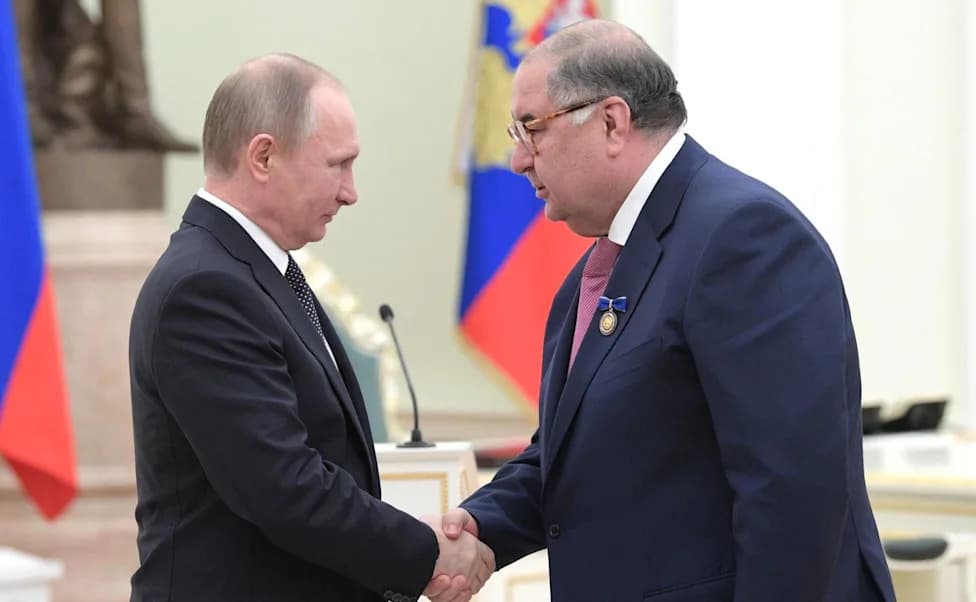
FILE PHOTO - Russian President Vladimir Putin presents Alisher Usmanov, founder of the USM Holdings Group, with the Order of Beneficence during a ceremony at the Kremlin. (is associated with: «Baltic states impose own sanctions on two Russian oligarchs») -/Kremlin/dpa
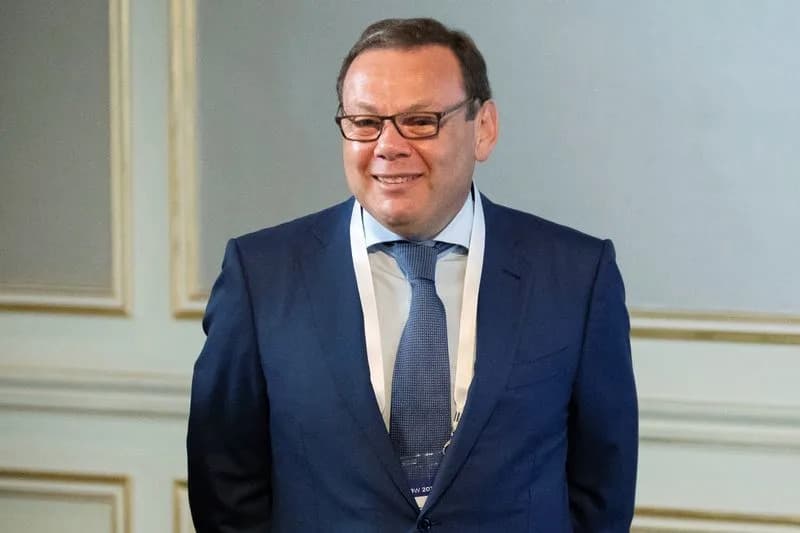
The three Baltic countries — Estonia, Latvia and Lithuania — have adopted national measures targeting Russian oligarchs Alisher Usmanov and Mikhail Fridman after the European Union controversially removed them from its sanctions list.
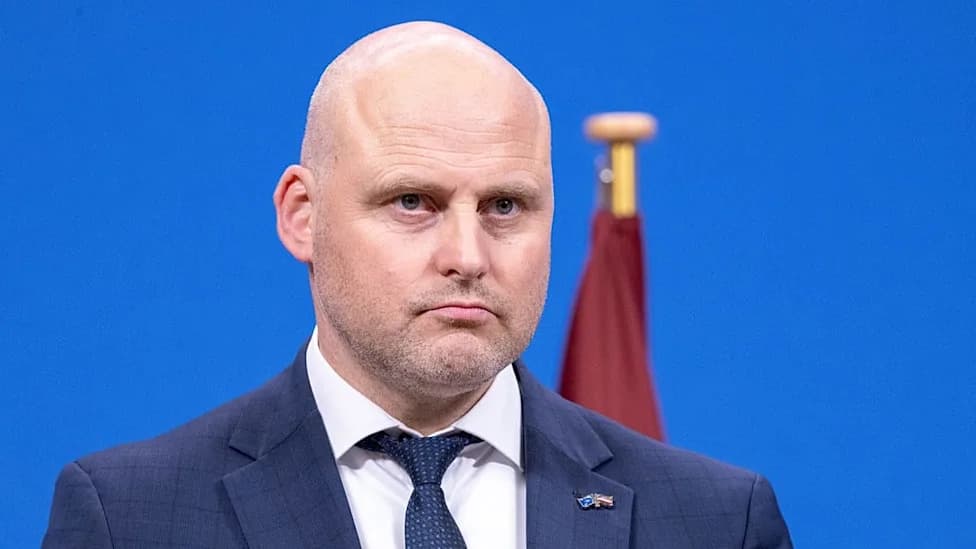
Estonian Foreign Minister Margus Tsahkna said Estonia "did not consider it right to remove these two prominent Russian businessmen from the EU sanctions list and did not support the decision." Tsahkna added that Russia showed "no willingness whatsoever" to end the war in Ukraine and that Usmanov and Fridman continued to back Moscow's aggression, though he did not specify the exact measures Estonia would impose.
Latvia had already introduced financial restrictions and entry bans against both men, and Lithuania has adopted comparable steps to align with its Baltic partners. Those national measures come in direct response to the EU's decision to delist the two oligarchs, a move that triggered criticism from some member states and from Ukraine.
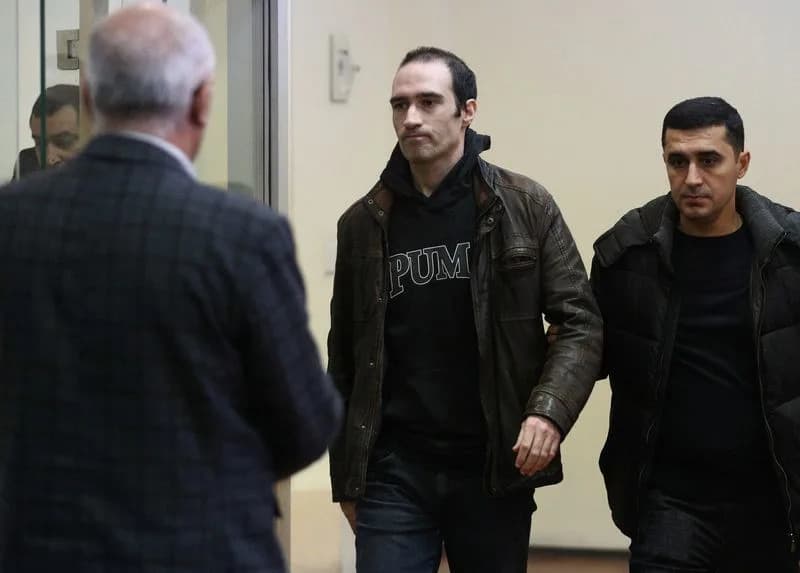
The EU lifted its sanctions against Usmanov and Fridman after a prolonged internal debate. EU sources told dpa that France had sought the delisting in part to help secure the release of French nationals detained abroad; shortly afterward, Azerbaijan's President Ilham Aliyev pardoned a French citizen along with 19 Azerbaijani and several other foreign nationals.
Meanwhile: At the same time as the delisting, the EU extended restrictive measures on roughly 3,000 other individuals, entities and companies for 36 months. Those listed are accused of supporting Russia's war against Ukraine or benefiting from Kremlin policies.
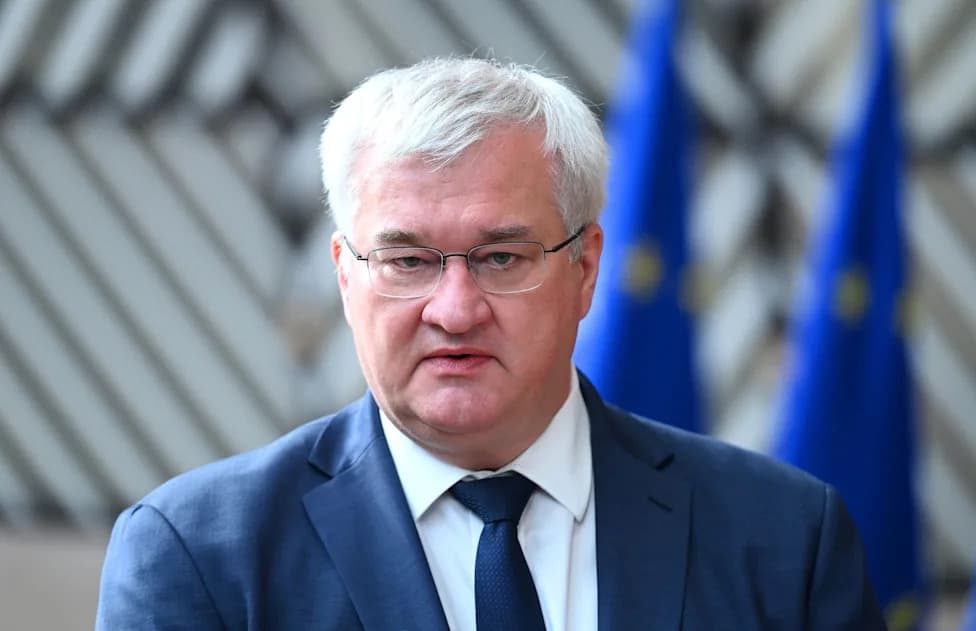
The Baltic states, long-standing and vocal supporters of Ukraine, framed their national sanctions as a reaffirmation of solidarity with Kyiv amid an ongoing conflict that has lasted for years. Ukraine publicly criticized the EU decision to lift the two men's sanctions, calling the move "shameful."
Note: Officials have not released detailed public evidence tying Usmanov or Fridman to specific acts of aggression in this announcement; national and EU-level decisions reflect a mix of legal, diplomatic and political considerations.
Help us improve.