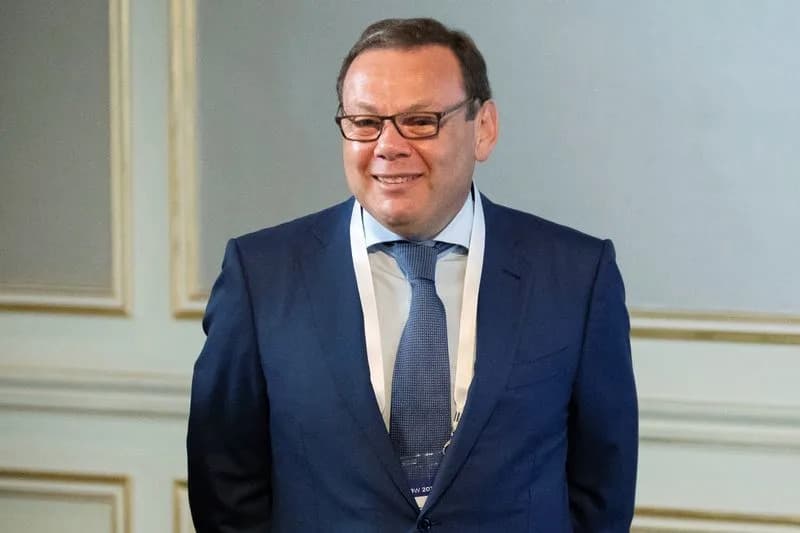
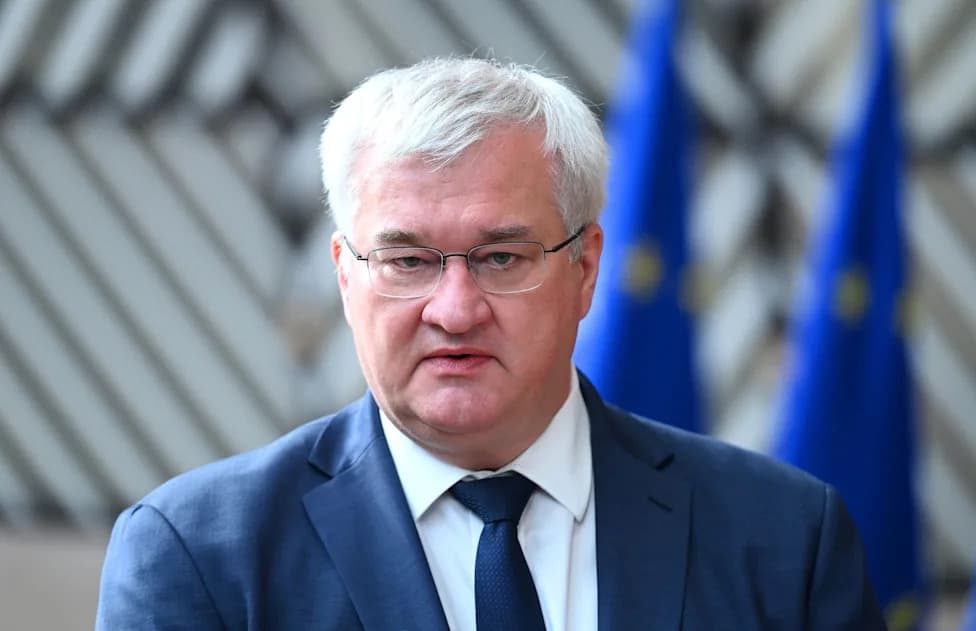
Latvia's prime minister, Andris Külbergs, said his country resisted the removal of Alisher Usmanov and Mikhail Fridman from the EU sanctions list but ultimately agreed to a compromise to protect the wider package. The EU will lift asset freezes and travel bans on the two oligarchs while extending the sanctions regime for 36 months. Latvia will impose national sanctions and Kyiv has urged other states to follow; Külbergs warned the delistings must remain exceptional to avoid "normalising" Russia.
Latvia Warns 'Cherry‑Picking' Delistings Risk "Normalising" Russia After Usmanov Row
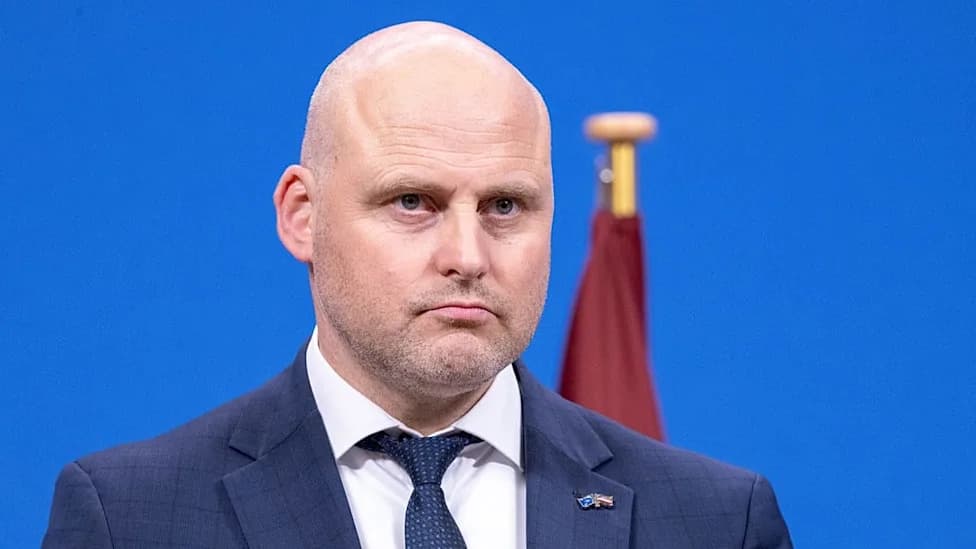
'Cherry-picking sanctions' risks 'normalising' Russia, Latvian PM says amid Usmanov row
Latvian Prime Minister Andris Külbergs said Latvia had fought to the end to prevent two high-profile Russian oligarchs — Alisher Usmanov and Mikhail Fridman — from being removed from the EU sanctions list, but ultimately accepted a compromise agreed with Ukraine to preserve the wider sanctions package.
One-Off Exception, Not A New Playbook
Külbergs cautioned that the delistings must remain exceptional. "Either it is sports, what we've seen, either culture, and now one by one cherry-picking out of sanctions, that is not the way to go," he said. "That is normalising Russia." He repeatedly stressed that the exemption should be a one-off rather than setting a precedent.
"We all understood it is not worth risking [the] whole EU sanctions package," Külbergs told Euronews, explaining why he withdrew his formal objection. "I'm worried about the playbook which it leaves."
How The Deal Unfolded
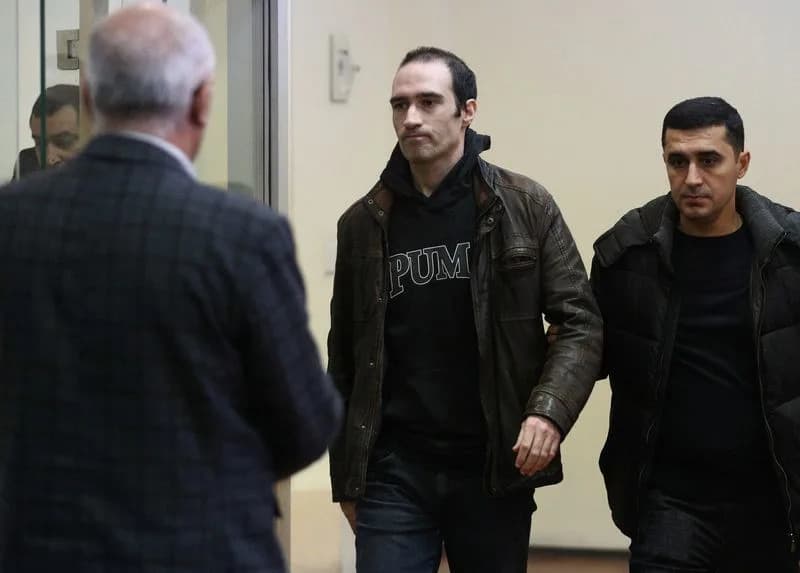
After two weeks of protracted talks among EU ambassadors, France pushed successfully for Alisher Usmanov's removal from the list as part of a deal tied to a prisoner release involving Azerbaijan and brokered with involvement from Uzbekistan, the country where Usmanov was born. Slovakia requested Mikhail Fridman's delisting, and Luxembourg argued both should be treated the same. Fridman has lodged a $16 billion claim against Luxembourg over his frozen assets.
The asset-freeze and travel bans on both men, in place since 2022, will be lifted at EU level. To reduce the political friction caused by such delistings, the EU agreed to extend the sanctions regime for 36 months rather than renewing it every six months, a cadence that previously created repeated opportunities for vetoes and concessions.
Security Implications And National Responses
Latvia — a staunch advocate of maximum pressure on Russia alongside fellow Baltic states Lithuania and Estonia — said it will apply national-level sanctions on Usmanov and Fridman even after the EU delistings. Kyiv has urged other member states to follow suit.
Külbergs spoke with French President Emmanuel Macron before dropping Latvia's objection. Paris has not publicly confirmed the alleged prisoner swap and has defended its request on "national security" grounds; Külbergs said he could not comment on the security reasoning of other countries.
Separately, the episode has fed discussion about deeper security ties within Europe. Külbergs said the vulnerability of Europe's eastern flank strengthens the case for closer cooperation with France — including the possibility of joining French-led nuclear cooperation exercises — while noting Paris would retain sole control over its arsenal and any decision to use it.
What Comes Next
The sanctions list still contains nearly 3,000 individuals, organisations and entities accused of supporting Russia's war in Ukraine, including President Vladimir Putin. Latvia is preparing for parliamentary elections next month, and officials say the political and diplomatic fallout from this episode will inform future EU sanctions debates.
Bottom line: The EU preserved its broader sanctions package by accepting two delistings while extending the regime to blunt future bargaining over individual names. Latvia warns the compromise should not become a template for future concessions.
Help us improve.