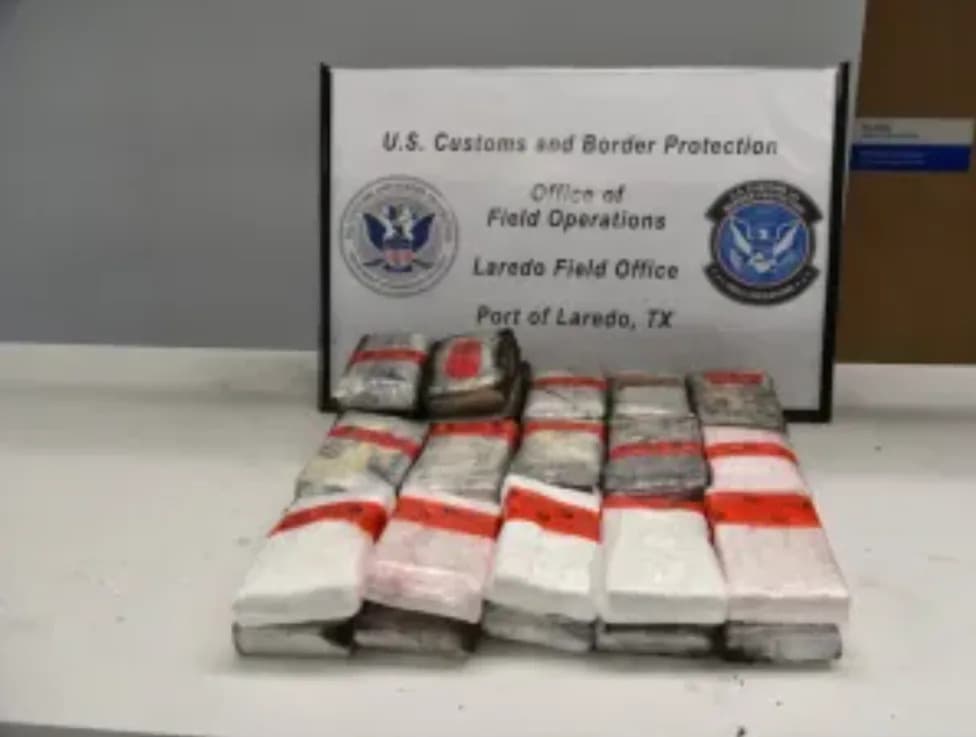
CBP seized 1,043 radiators and 420 dehumidifiers from shipments that used stolen American identities and massively understated their value. The radiators were declared at $5,775 (about $5.54 each) but appraised at $110,176 (≈$105 each), revealing an undervaluation scheme that cuts ad valorem duties and breaks recall traceability. Because radiators are not covered by specific federal performance standards, a fake importer can leave no accountable party for recalls, shifting costs onto honest importers, repair shops and vehicle owners. CBP recommends using its e-Allegations portal to report suspicious entries.
1,043 Radiators Declared at $5.54 Each — Real Parts, Fake Importer Exposes Trade-Fraud Scheme
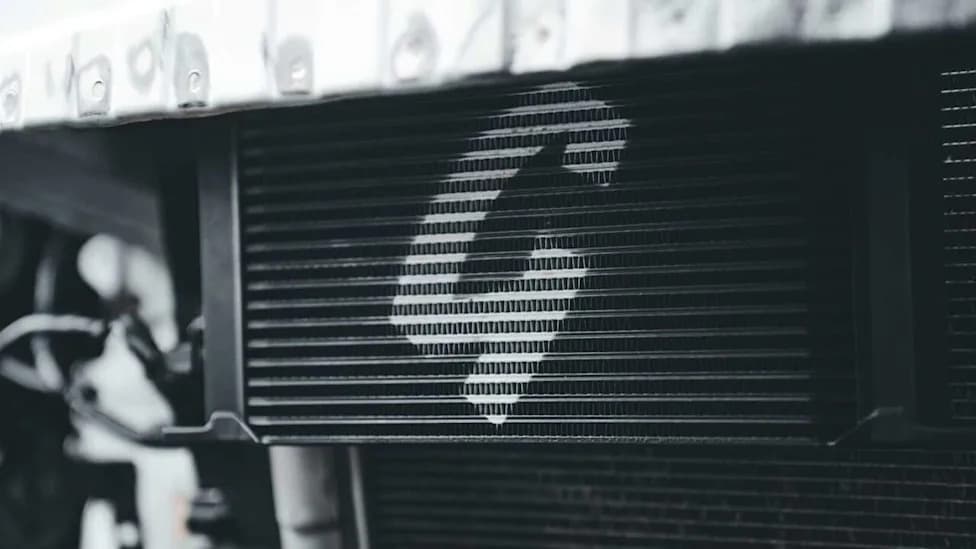
Every replacement auto part arrives with one credential that matters more than any metal stamp: the customs entry. That form names who imported the item, its declared value and who is legally responsible if it fails. A radiator carries no VIN; the entry form is the only mechanism that ties the component back to someone who can be held accountable.
What Happened in Norfolk
This summer, U.S. Customs and Border Protection (CBP) officers at the Area Port of Norfolk-Newport News seized 1,043 automotive radiators and 420 high-capacity dehumidifiers after detaining the freight on August 25. Both shipments originated in China. Inspectors noticed discrepancies in the entry and identification documents, asked brokers for additional information, and then contacted the individuals listed as importers of record — who told CBP they had never ordered commercial goods and were not importers. CBP determined those Americans were victims of identity theft.
The radiators were consigned to Cheyenne, Wyoming; the dehumidifiers to Artesia, California. CBP seized both shipments under 19 U.S.C. §1595a(c)(1)(A) for violations of 18 U.S.C. §542 (entry of goods by means of false statements). Area Port Director Keri Brady summed it up:
"Legitimate businesses do not use the stolen identities of American citizens."
The Numbers That Gave It Away
On the entry paperwork the radiator shipment was declared at $5,775 for all 1,043 units — about $5.54 apiece. CBP trade specialists appraised the same cargo at $110,176, roughly $105 per radiator. The declared value was off by a factor of nineteen. The dehumidifiers followed the same pattern: 420 units declared at $10,080 and appraised at $181,847.
Why This Is Not Just About Counterfeits
It would be easy to call this a counterfeit-parts case, but CBP did not. The public statement alleges falsified entry information, not trademark infringement. Counterfeit cases usually have a commercial victim — a brand owner with resources to pursue enforcement. Here the goods themselves may have been ordinary aftermarket parts; some might even have been serviceable. What made the shipment actionable was the stolen importer identity and the false valuation that hid the true landed cost.
Undervaluation is the quiet workhorse of trade fraud. Duties, antidumping deposits and Section 301 assessments are normally ad valorem (a percentage of declared value). Substantially understating value proportionally reduces duty bills, creating large arbitrage opportunities for fraudulent importers.
Regulatory And Safety Implications
Another complication: NHTSA’s Federal Motor Vehicle Safety Standards cover a limited list of replacement parts (brake hoses, tires, lamps, glazing, seat belts, child restraints, etc.). Engine cooling systems, including radiators, are not subject to a federal performance standard. That means a replacement radiator can enter the U.S. without meeting a mandated safety spec. While NHTSA can act after failures, a defect recall requires a traceable manufacturer, distributor or importer. If the importer of record is a stolen identity, there is no accountable party to compel a recall or remedy.
Modern engines with aluminum blocks and tight tolerances are less forgiving of coolant-system failures. A radiator failure at highway speed can lead to warped heads, blown gaskets and repair bills that exceed a vehicle’s value.
Not An Isolated Pattern
Two days earlier and one bay north, CBP’s Baltimore office seized more than 8,500 sheets of falcata plywood imported under a stolen identity. That shipment was undervalued by nearly $19,000 compared with CBP’s valuation of $142,372 and had been misdeclared as Indonesian origin when CBP found it came from China — making it subject to antidumping and countervailing duties. The recurring recipe is the same: borrow an American identity, understate value and obscure origin.
Who Loses?
First, the identity-theft victims who suddenly find their names listed as importers of record and facing potential liability. Then legitimate importers who post bonds and pay proper duties but must compete with rivals whose costs are fictitious. Repair shops and technicians lose warranty and traceability — a shop that fits a $60 radiator bought online has little recourse if the listed importer never existed. Finally, vehicle owners may pay twice: for the cheap part and for the engine damage that follows a failure.
What Can Be Done?
CBP runs an e-Allegations portal for importers, distributors and consumers to report suspected trade violations. Many cases begin when warehouse distributors or jobbers notice implausible prices or unfamiliar names undercutting the market. The enduring lesson: the traceability that enables recalls and warranties rests on one line of one customs form. We spend a lot of time debating tariff levels but far less examining whether declared values are truthful — and fraudsters exploit that gap.
The tariff rate on a lie is always zero.
Reported originally by The Auto Wire. CBP announcements dated September 8–10. Investigations remain active.
Help us improve.