Kew Gardens has reported a rare 'death bloom' on a three‑metre Agave montana planted about 20 years ago. The plant has sent up a peduncle growing roughly 10cm a day, expected to reach about five metres before producing thousands of yellow and pink flowers next spring. Kew is seeking a pollen donor to cross‑pollinate the monocarpic succulent, which will die after flowering, and links the bloom to this summer's record heat.
Kew Gardens' Rare 'Death Bloom': Three-Metre Agave Sends Up Giant Flowering Spike
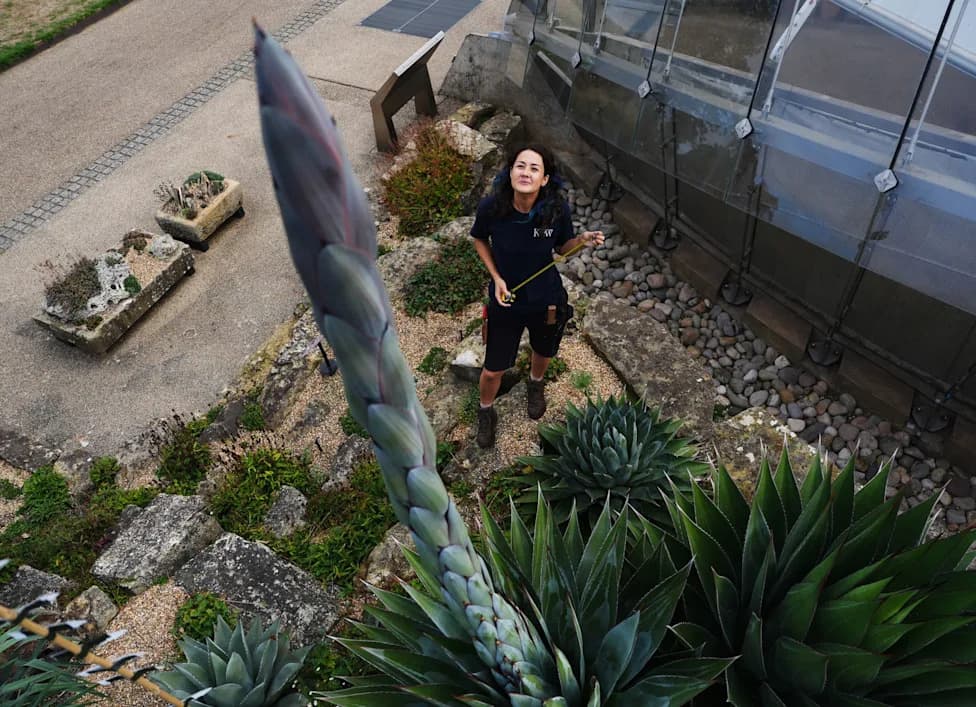
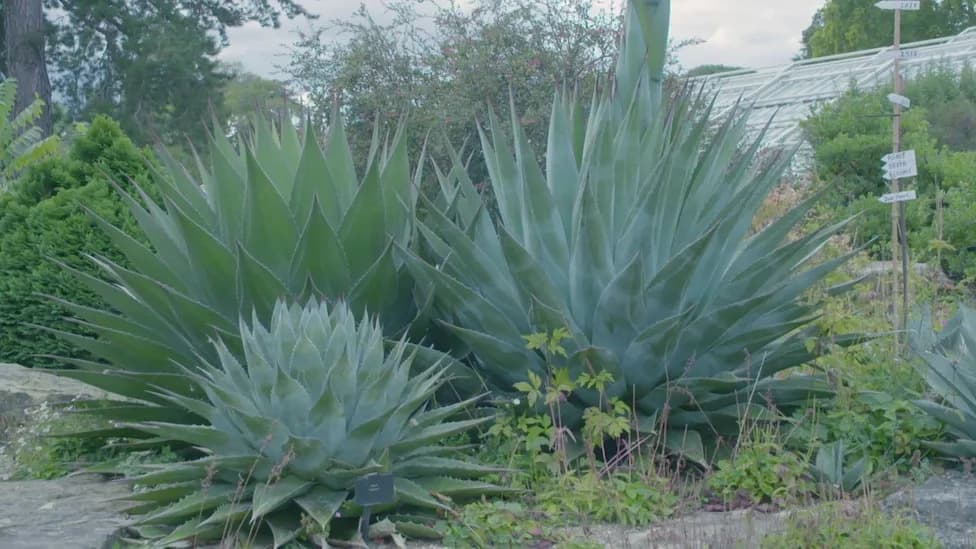
Rock and Alpine Botanical Horticulturist Anna Lim measures a rare Agave montana in the Rock Garden at Kew Gardens. One of the 20-year-old agaves has put out an asparagus-like stalk signalling the end of its life and impending 'death bloom' – the first time this has happened at Kew. (is associated with: «'Once-in-a-lifetime' plant death bloom begins at London's Kew Gardens») Jonathan Brady/PA Wire/dpa
A rare 'death bloom' has begun on a three-metre Agave montana at Kew Gardens, signalling the plant is entering the final, spectacular stage of its life. Planted around 20 years ago, the agave has produced a tall asparagus‑like stalk that is growing at roughly 10cm a day and is expected to reach around five metres before opening thousands of yellow and pink flowers next spring.
What Is Happening?
The rapid growth is the formation of a peduncle — a towering flowering stalk that will carry an immense inflorescence, effectively a cluster of thousands of individual blooms. Agave montana is monocarpic, meaning it flowers once after decades of growth and then dies after completing that single reproductive event.
Voices From Kew
Anna Lim, botanical horticulturist at Kew Gardens: 'This immense inflorescence is an amazing botanical event and it's something we might only get to witness once every couple of decades.'
Lim added that the growth will pause over winter as the plant goes dormant, then resume in spring when flowers are expected to open. Kew staff are actively seeking a compatible pollen donor to enable cross‑pollination and produce viable seed.
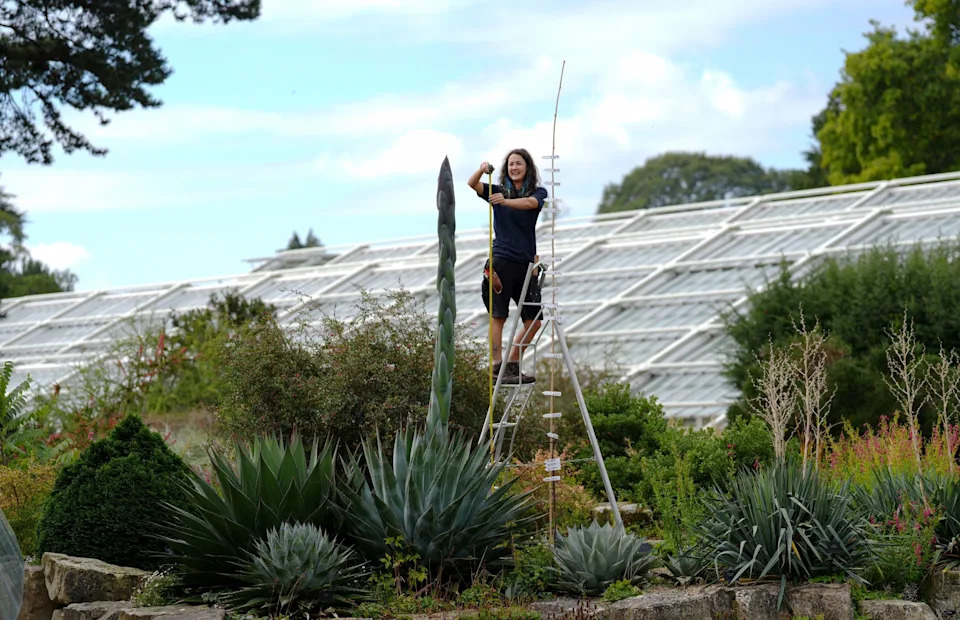
Rock and Alpine Botanical Horticulturist Anna Lim measures a rare Agave montana in the Rock Garden at Kew Gardens. One of the 20-year-old agaves has put out an asparagus-like stalk signalling the end of its life and impending 'death bloom' – the first time this has happened at Kew. (is associated with: «'Once-in-a-lifetime' plant death bloom begins at London's Kew Gardens») Jonathan Brady/PA Wire/dpa
Why It Matters
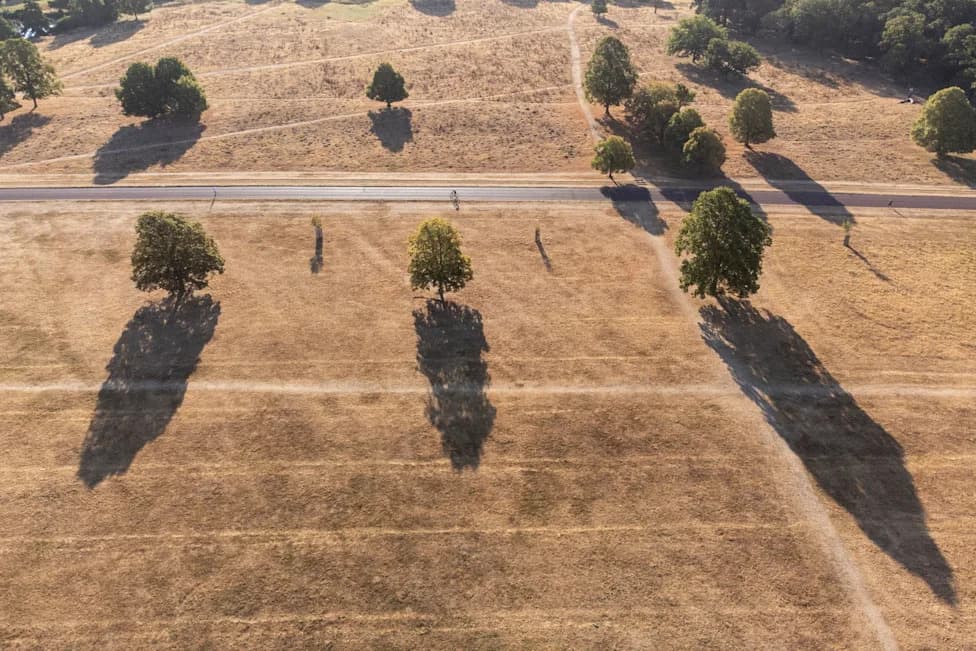
Thomas Freeth, head of collection management at Kew, said the bloom was likely triggered by this summer's record heat and called it a sign of our changing climate: 'In many ways it's a tell‑tale sign of our rapidly changing climate. We need to seriously think about how we're going to adapt our landscapes to cope and thrive in these conditions.'
Agave montana is native to the mountainous regions of north‑eastern Mexico and is well adapted to dry conditions. The species typically needs little summer watering and minimal winter care — traits that make it especially suited to warmer, drier summers.
Context and Visitor Information
Only two other Agave montana plants are thought to have flowered in the UK, the most recent in Norfolk in 2023. Kew planted two Agave montana specimens in 2007; one has begun its death bloom and the other has not yet flowered. Kew encourages visitors to see the event while it lasts, because the parent rosette dies after flowering.
Photo credit: Jonathan Brady/PA Wire/dpa. The peduncle in Kew's Rock Garden marks the first time an Agave montana at the site has begun this dramatic end‑of‑life flowering.
Help us improve.