A new rapid on‑farm diagnostic promises to give poultry producers reliable results in about 45 minutes. The device could transform outbreak response—if producers are willing to share test results so researchers can sharpen risk warnings and target testing. Right now, the technology is ready; the social and policy systems that make it a true surveillance network are not.
How The On‑Farm Test Works
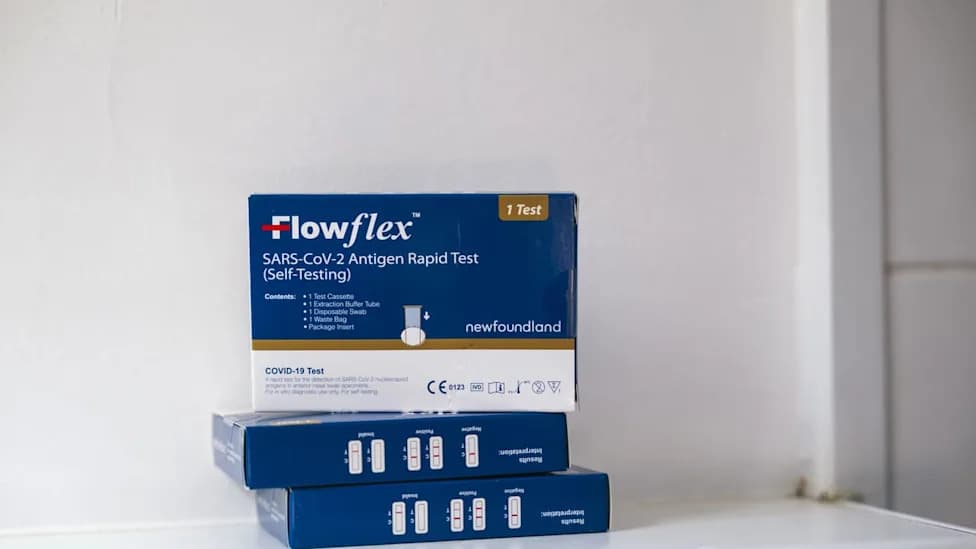
Alveo Technologies has developed a battery‑powered reader and single‑use cartridges that run reverse transcription loop‑mediated isothermal amplification (RT‑LAMP). A grower swabs a bird's throat, places the swab into buffer, draws 400 µL into a pipette and transfers it to the cartridge. The reader operates for about four hours on a charge and returns results in roughly 45 minutes.
Because the device uses semiconductor sensing instead of fragile optical components, each cartridge carries seven independent assays: two targets for influenza A, three for H5 lineages (including clade 2.3.4.4b), one for H7 and one internal control. A single swab therefore yields seven outputs on an analyzer that costs under $500.
Validation, Sensitivity, And Practical Value
Laboratory validation (with Royal GD) and independent challenge trials (University of Georgia) report high specificity: 100% against 12 influenza A strains and 19 non‑influenza organisms. The limit of detection corresponds roughly to PCR cycle thresholds (Ct) of 29–33. Bench RT‑PCR can detect lower viral loads (past Ct 38), but experts argue those faint signals often reflect past, cleared infections or low transmissibility and are less useful to growers making immediate operational decisions.
In short: the Alveo test appears to detect birds that are actively shedding enough virus to infect a barn, which is the practical signal growers need for near‑term action.
Who Should Test—and When
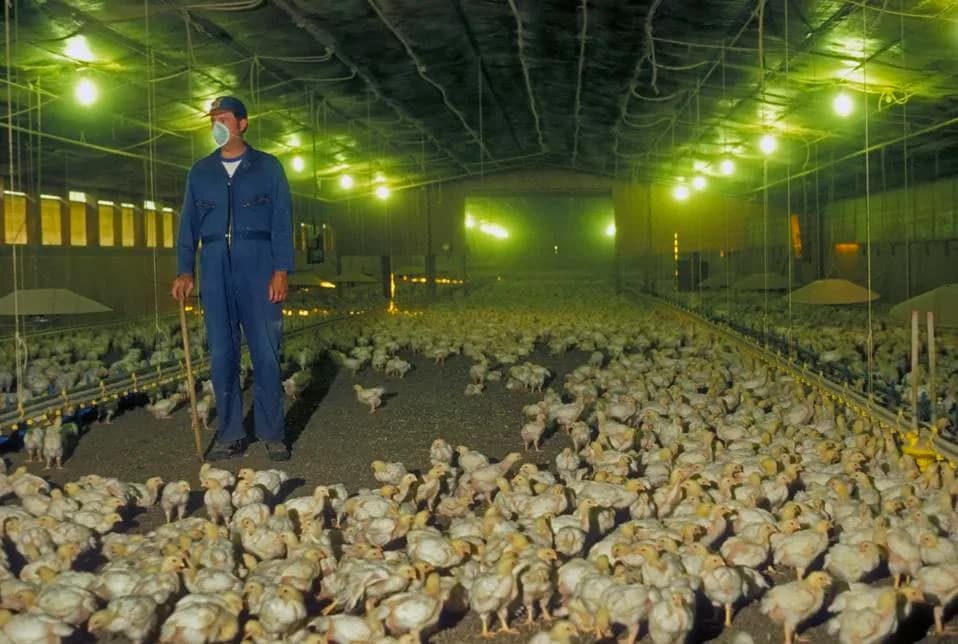
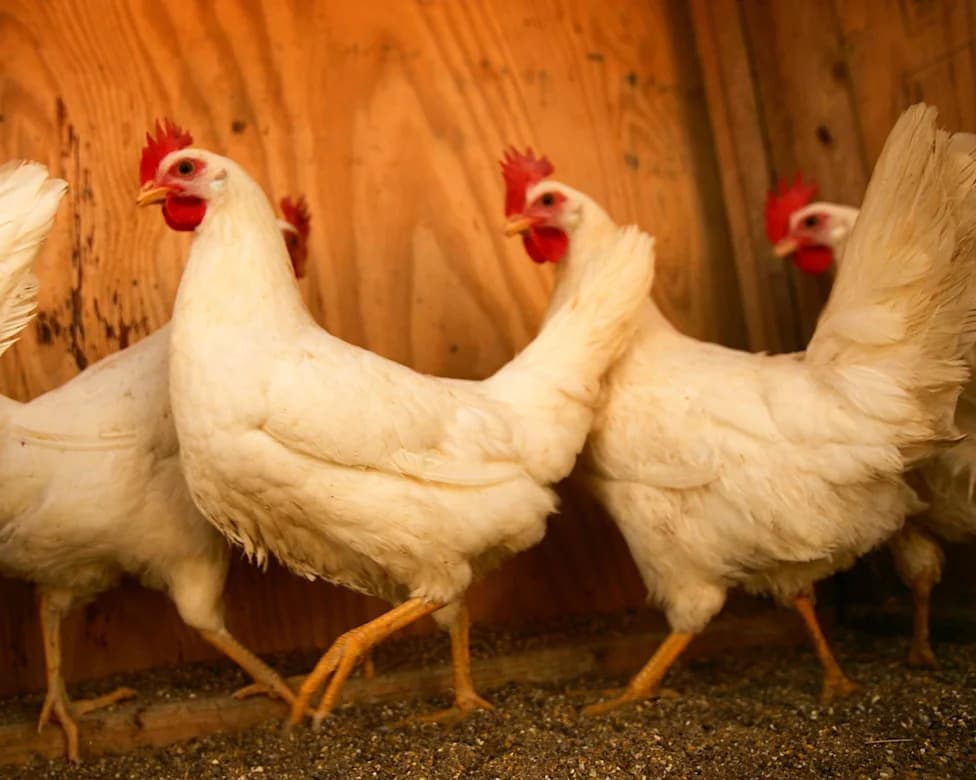
Surveillance strategy depends on species and production type. Ducks often become infected without obvious illness and can silently amplify the virus; routine, asymptomatic swabbing in duck flocks is likely warranted. Chickens, which comprise most U.S. poultry production, tend to show rapid clinical decline once infected, making symptom‑triggered testing more efficient for many chicken operations. A third approach uses risk alerts—testing on high‑risk days rather than continuously.
Waterfowl Alerts And Targeted Testing
Alveo recently partnered with AgriNerds, co‑founded by UC Davis poultry epidemiologist Maurice Pitesky. AgriNerds’ Waterfowl Alert Network combines empirical HPAI detections with NEXRAD weather radar, satellite imagery and telemetry to estimate daily waterfowl abundance around roughly 160,000 commercial farms at ~250‑meter resolution. When the model signals elevated waterfowl activity near a subscribed farm, the grower's app recommends targeted testing or other precautions.
That approach concentrates limited cartridges and labor on higher‑risk days. Although the model produces many false positives—spikes in waterfowl that do not lead to an outbreak—growers still adopt it because short, inexpensive precautions (restricting barn access, adjusting processing) are valuable compared with the high cost of depopulation.
The Collective‑Action Problem: Data Sharing
Improving predictive accuracy requires farm‑level outbreak data to validate and refine the model. Yet industry data remains tightly protected: only about 1,500 farms across 25 states have opted into the Waterfowl Alert Network, versus the ~160,000 commercial farms the system models. USDA and state agencies currently publish only county‑level figures, which are too coarse to link outbreaks to local waterfowl patterns.
That reluctance to share is a classic collective‑action problem: no single farm benefits by being the first to disclose detailed results, but all farms benefit if everyone shares. Maurice Pitesky and others suggest a policy lever: condition government indemnity payments on participation in anonymized, privacy‑protecting data‑sharing agreements so researchers can improve risk forecasts without exposing individual farms.
Policy Choices And Paths Forward
The Alveo test is likely to receive USDA clearance soon, but data collection and sharing will take longer. Two feasible solutions can break the deadlock:
1) Industry‑led networks that demonstrate clear, immediate value to participants so farms opt in voluntarily; or
2) Public policy that ties indemnity or other government support to participation in privacy‑protected data‑sharing, creating an incentive for broad contribution.
Either route would convert a promising diagnostic into an effective surveillance system that detects outbreaks earlier, targets interventions, and reduces the enormous costs—both economic and animal welfare—of late detection.
Conclusion
The technology to give growers reliable, rapid on‑farm influenza results exists. Turning that technology into a robust national surveillance system depends less on engineering than on data politics: who shares, how privacy is protected, and what incentives the government or industry uses to encourage participation. With clear incentives and privacy safeguards, rapid tests plus smarter alerts could substantially improve early detection and outbreak control in U.S. poultry.