Researchers at the University of Otago analyzed scavenging wild birds in New Zealand and identified 118 avian viruses, including 107 that appear to be novel. The study sampled 31 species using 683 cloacal and 665 oropharyngeal swabs. Several viruses are genetically related to strains found as far away as Russia and the UAE, and 12 mammal-associated viruses were also detected. The authors suggest scavengers could act as early-warning sentinels for threats such as H5N1.
After H5N1 Reached New Zealand, Scientists Discovered 107 Previously Unknown Bird Viruses
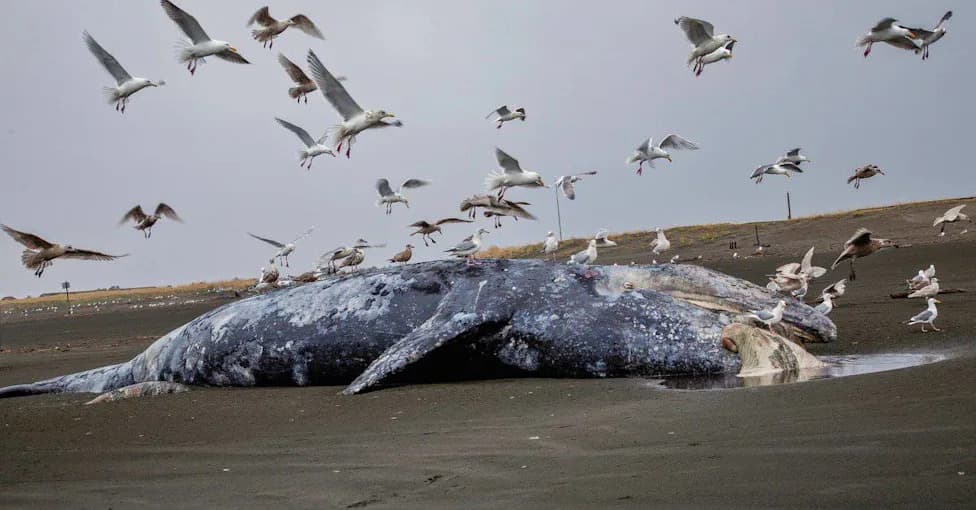
How Do Whales Die : Beaching© Bob Pool/Shutterstock.com
Birds move across continents and with them they carry biological material — sometimes including viruses. A new study led by researchers at the University of Otago–Ōtākou Whakaihu Waka in New Zealand surveyed scavenging and opportunistic wild birds to map the range of viruses they carry and to evaluate their value as sentinel species for emerging threats such as H5N1 avian influenza.
Study Design and Methods
The team collected 683 cloacal swabs and 665 oropharyngeal swabs from 31 wild bird species across four avian orders. To focus the analysis on viruses relevant to birds, the researchers excluded sequences linked to invertebrates, plants, fungi and bacteria. The work was published in the journal Current Biology.
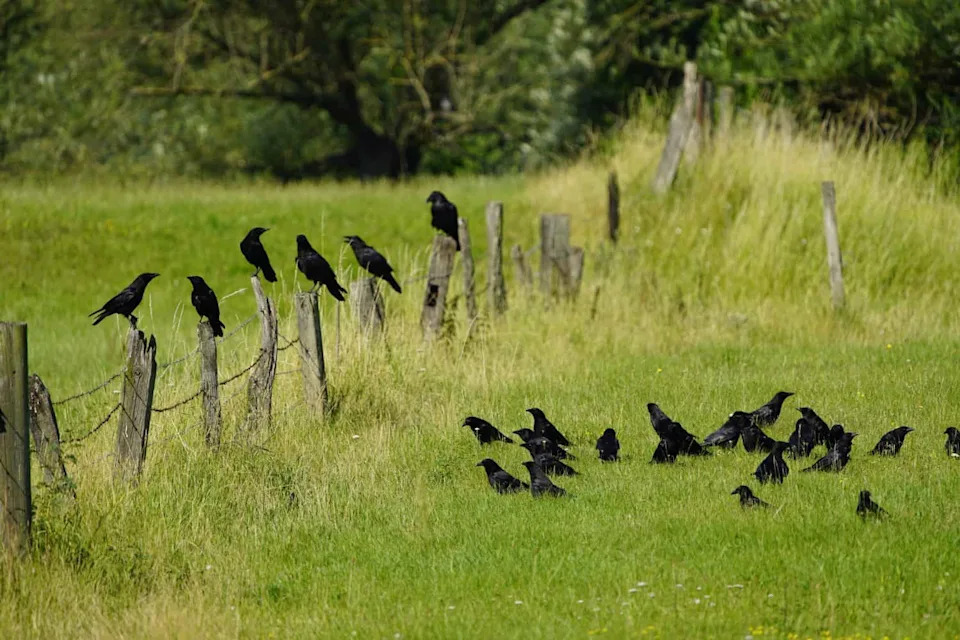
Scavenger birds like crows keep ecosystems clean, but often transmit viruses and deadly pathogens to other places in the process.©guentermanaus/Shutterstock.com
Key Findings
The researchers identified at least 118 avian viruses, of which 107 appear to be novel species not previously described in the scientific literature. Several of the newly detected viruses share close genetic relationships with viruses previously reported as far away as Russia and the United Arab Emirates. In addition to avian viruses, the study detected 12 viruses typically associated with mammals, including those linked to rabbits, hedgehogs and sea lions.
As lead author Dr. Stephanie Waller told Phys.org: "Aotearoa New Zealand is uniquely placed to address this knowledge gap as it's geographically isolated but has international connections thanks to birds migrating from East Asia, Australia, and Antarctica."
Why Scavengers Matter
Scavenging and opportunistic species — such as southern black-backed gulls and subantarctic skuas — had more diverse viromes than strictly non-scavenging species. Their broad diets and frequent contact with carrion, waste and multiple trophic levels likely increase their exposure to a wider range of pathogens. Because these birds travel long distances and regularly interact with human-modified environments, the authors argue they make useful sentinel species for viral surveillance.
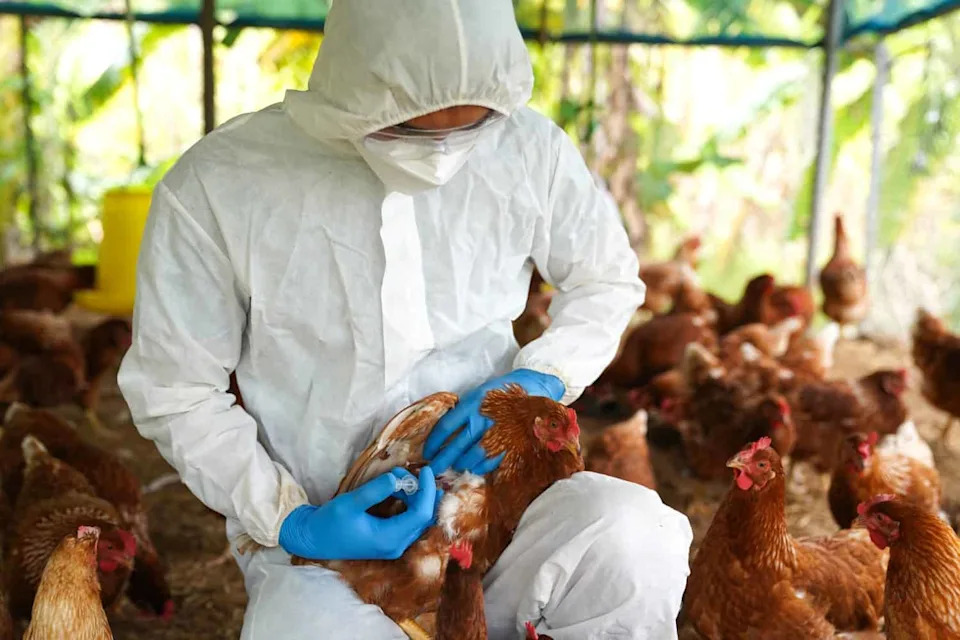
Studies like this one help inform better ecological management practices for slowing the spread of deadly viruses like H5N1.©Pordee_Aomboon/Shutterstock.com
H5N1 Context and Implications
Although the study did not detect H5N1, the authors note that samples were collected before H5N1 arrived in New Zealand. Absence in these samples therefore does not mean the virus is absent in the region. Targeted monitoring of scavenging birds could provide early warning of H5N1 incursions and help track how viruses move through wildlife populations.
Conservation and Public Health Relevance
Detecting many novel avian viruses highlights gaps in our knowledge of wildlife viromes and underscores the need for continued surveillance, particularly for species that link wild, urban and agricultural environments. Better understanding of viral diversity and movement can inform conservation strategies to protect vulnerable endemic species and guide public- and animal-health responses aimed at reducing spillover risk.
Bottom line: Scavenging wild birds in New Zealand carry a remarkably diverse array of viruses — including many previously unknown species — and they could serve as important sentinels for emerging infectious threats.
Help us improve.