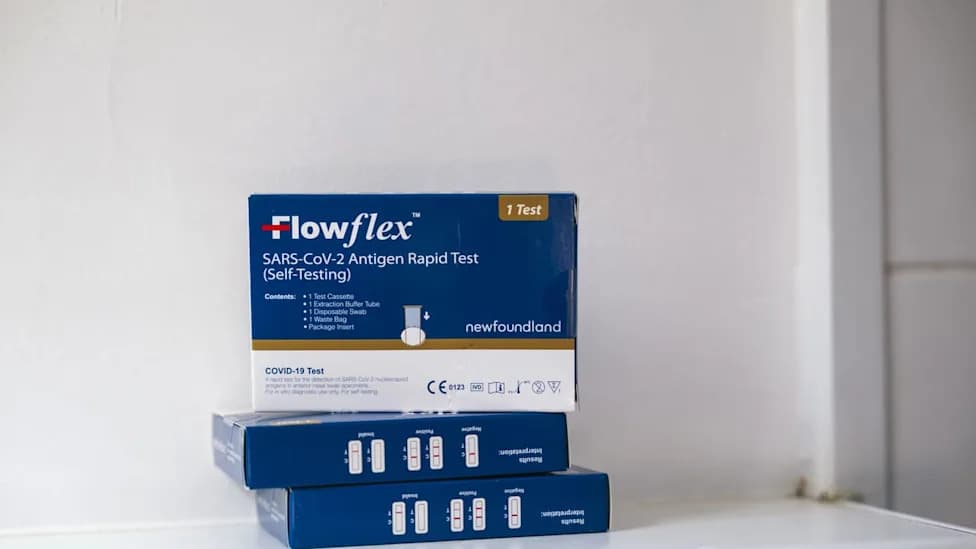
ACON's Flowflex Plus became the first FDA-cleared four-in-one at-home antigen test for COVID-19, influenza A/B and RSV, and is authorized for children as young as six months. In a clearance study of 1,263 symptomatic people (Oct 2024–Apr 2025) it detected 92%–94% of infections — a notable improvement over many older rapid flu tests. Experts caution antigen tests are still less sensitive than PCR, especially early in illness, and regulatory agencies remain cautious about some consumer tests.
One Swab, Four Viruses: FDA Clears First At-Home Test for COVID, Flu A/B and RSV
The free federal COVID program spawned today's home testing market hero image
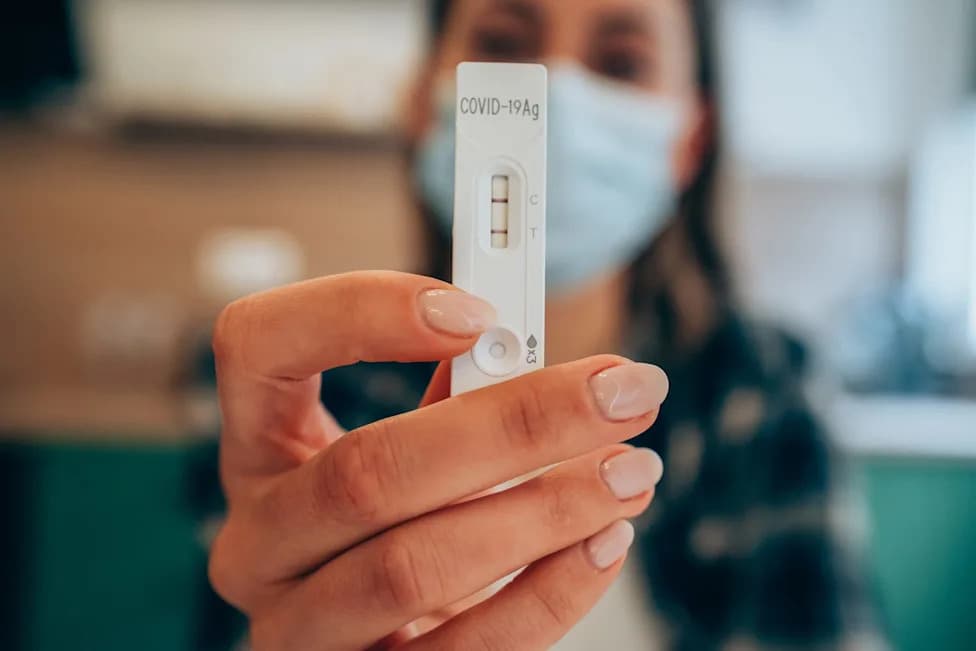
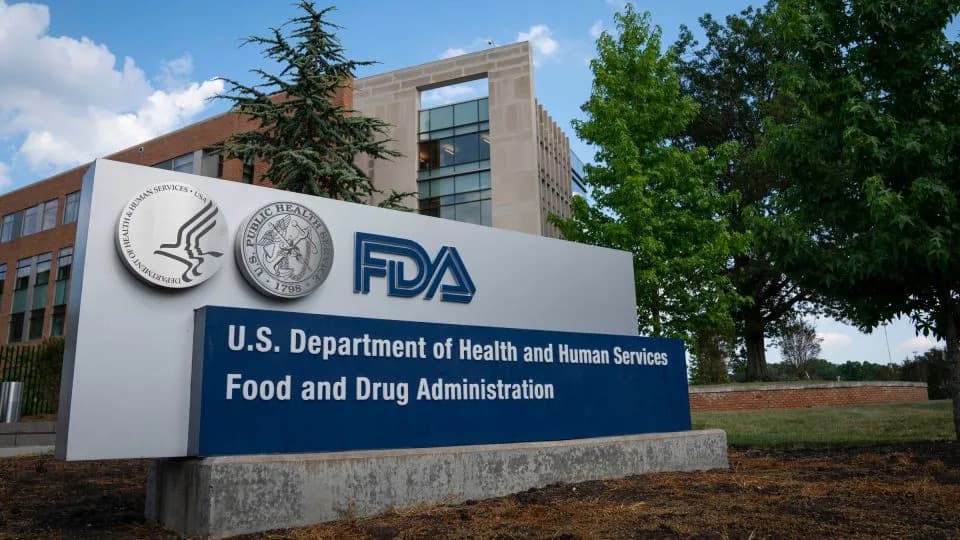
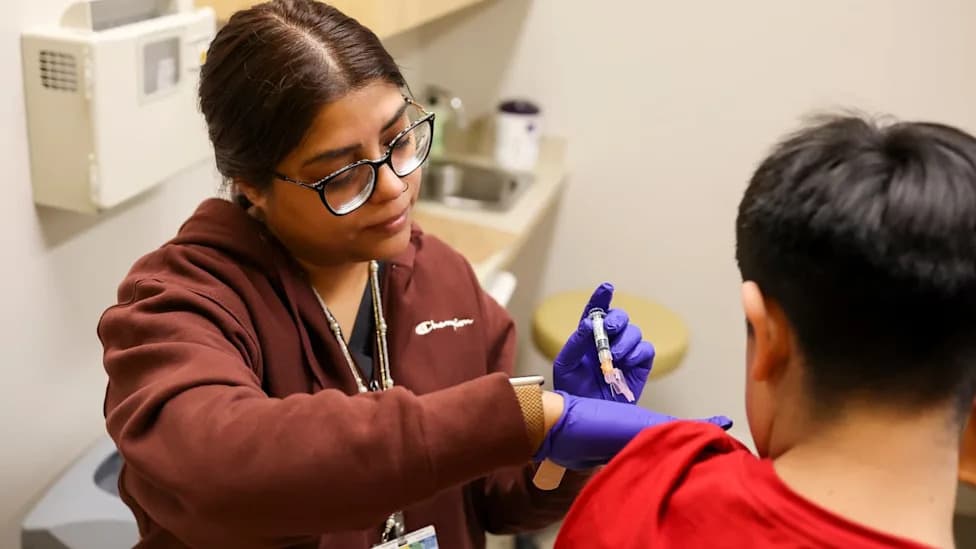
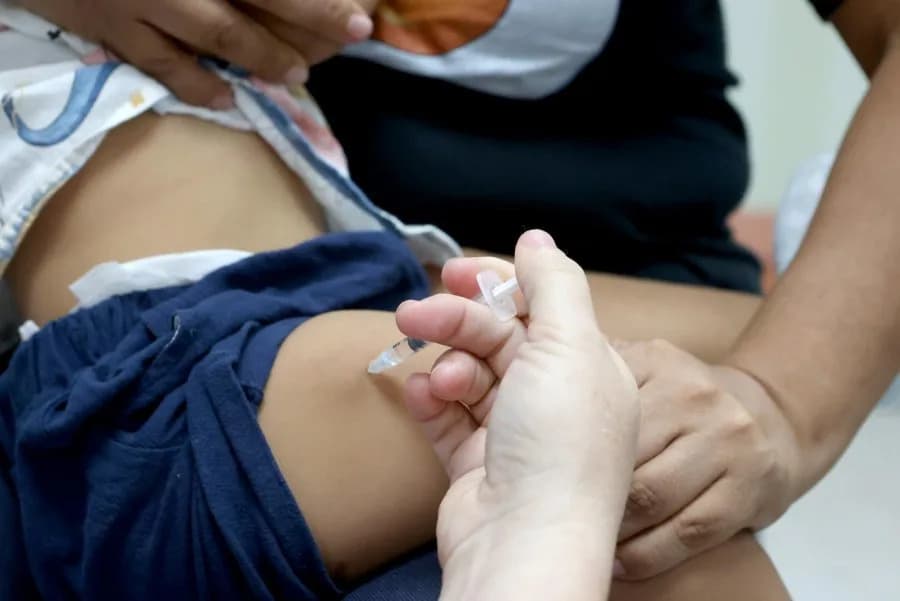
A single at-home swab can now screen for COVID-19, influenza A, influenza B and respiratory syncytial virus (RSV) after the Food and Drug Administration (FDA) cleared ACON Laboratories' Flowflex Plus RSV + Flu A/B + COVID Home Test last October. The test is also authorized for use in children as young as six months, allowing parents to collect nasal samples and check for RSV — a virus that can be severe in infants.
How the Test Performed
In ACON's FDA clearance study of 1,263 symptomatic people across 10 U.S. cities from October 2024 to April 2025, the device detected between 92% and 94% of infections, according to the agency's summary. That is a substantial improvement over many older rapid influenza antigen tests, which earlier reviews put at roughly 51%–67.5% sensitivity. During the 2009 H1N1 outbreak, two widely used rapid tests together identified only about 17.8% of true cases in one high-volume New York laboratory.
Limits of Antigen Testing
Both ACON and the FDA caution that antigen tests remain less sensitive than PCR laboratory tests, particularly early in illness or when viral levels in the sample are low. In practice, that means a negative antigen result does not always rule out infection, and clinicians may still recommend PCR confirmation in certain cases.
Why Single-Swab Tests Matter
Symptoms for respiratory infections often overlap, and a single multi-virus test can simplify decision-making for patients and parents. The combined test reduces the need for multiple kits or an immediate clinic visit solely to determine which virus is responsible for symptoms.
Market And Policy Context
The move toward routine home testing grew rapidly during the COVID-19 pandemic and was amplified by government distribution. After the FDA authorized the first home antigen tests in late 2020, the White House launched COVIDTests.gov in January 2022 and mailed free test packages to requesting households; by May 2022, more than 70 million packages had been sent and over 40 million households reported using at least one kit.
Industry data show a growing commercial market for self-tests: Grand View Research valued the global self-testing market at $11.8 billion in 2025 and projected it would nearly double to $21.9 billion by 2033, at roughly 8.5% annual growth. Diagnostics firms and investors have expressed strong interest in multi-condition platforms that detect several infections from a single sample.
Regulatory Cautions
The FDA has been cautious about some consumer tests. For example, in October 2020 the agency ordered a company to stop selling repackaged professional strep and flu kits to consumers, citing risks from improper throat swabbing and the danger that false negatives could delay needed treatment and increase transmission.
Bottom line: Four-in-one home antigen tests make it easier to distinguish common respiratory infections at home, but antigen results can miss infections compared with PCR. Consumers should follow test instructions and consult clinicians when results are unexpected or symptoms are severe.
Help us improve.