A fresh wave of H5N1 avian influenza has hit commercial turkey farms across Minnesota, South Dakota and North Dakota, affecting more than 417,000 birds during fall migration. State and federal officials report multiple meat and breeding flocks have been depopulated and disinfected as part of containment efforts. The CDC says public risk is low but recommends PPE and 10-day monitoring for exposed workers, while federal food-safety agencies say properly cooked turkey remains safe to eat.
Fresh H5N1 Wave Hits U.S. Turkey Heartland Ahead Of Holiday Season
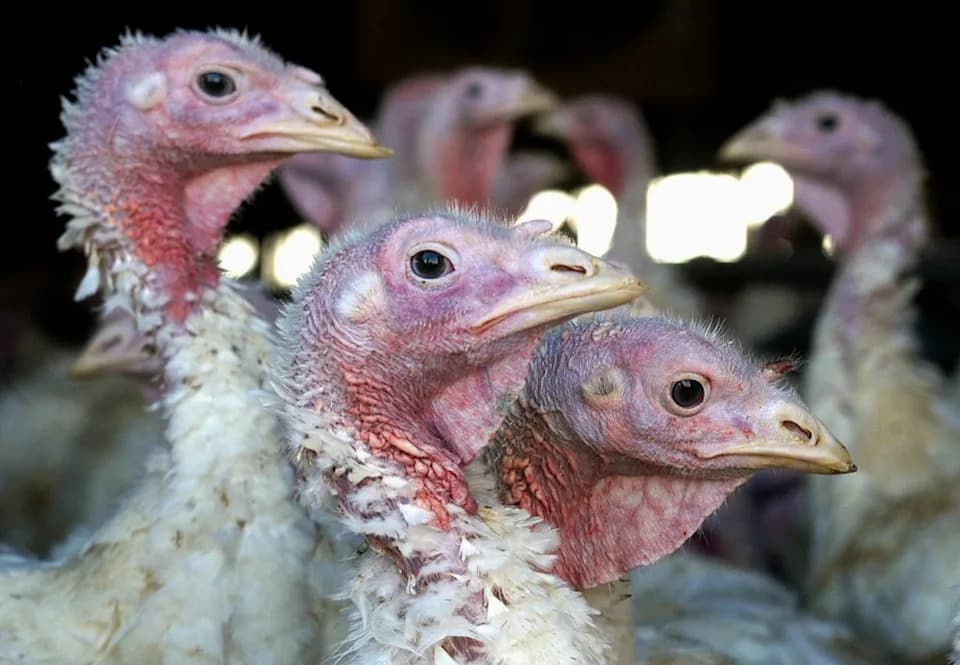
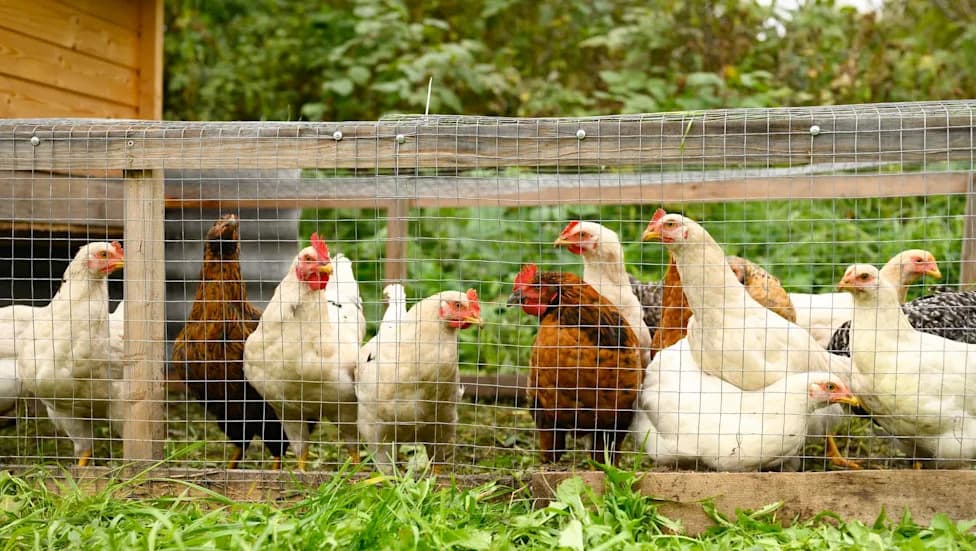
Unrelated file photo of turkeys at a turkey farm in Minnesota on November 2, 2005.
A renewed surge of highly pathogenic avian influenza (H5N1) has struck commercial turkey operations across Minnesota, South Dakota and North Dakota, affecting more than 417,000 birds as the virus resurged during fall migration. Federal records from the U.S. Department of Agriculture's Animal and Plant Health Inspection Service (APHIS) show multiple meat and breeding flocks have tested positive since mid-August.
Where And How Many
The most recent detections include two Minnesota flocks totaling 62,300 birds, bringing Minnesota's total this fall to 92,100 affected turkeys. Since Aug. 12, five South Dakota flocks have tested positive, representing roughly 284,000 birds across meat and breeding operations. A commercial flock of 41,600 turkeys in LaMoure County, North Dakota, was also confirmed infected; that is the county's second commercial outbreak this year.
Timeline And Geography
Regional activity reappeared on Aug. 12 in Beadle County, S.D., with a 74,900-bird meat-turkey flock testing positive. Federal records show further detections at breeding operations in Hamlin (73,800 birds) and Edmunds (30,200 birds) counties. Two additional South Dakota cases were reported Sept. 9 in McPherson (61,300 birds) and Turner (43,800 birds) counties. In Minnesota, recent detections included a 44,300-bird meat flock and an 18,000-bird breeding flock, following an earlier Wright County case involving 29,800 meat turkeys.
Industry Impact And Response
The outbreak is concentrated in the core of the U.S. turkey industry: the USDA's most recent Turkeys Raised report notes Minnesota raised 32 million turkeys in 2025, the most of any state, while South Dakota raised 2.4 million. APHIS says the cluster is part of a nationwide event that first reached commercial poultry in February 2022 and has repeatedly forced producers to depopulate affected flocks and follow cleaning and virus-elimination procedures before resuming normal operations.
Public Health And Food Safety
The U.S. Centers for Disease Control and Prevention (CDC) says the risk to the general public remains low. Sporadic infections have occurred among workers with direct animal exposure, but these farm detections do not indicate increased risk for people without such exposure. The CDC recommends personal protective equipment (PPE) and other workplace controls for people who handle sick birds or participate in culling operations, and advises monitoring exposed individuals for symptoms for 10 days after their last exposure.
Federal food-safety safeguards make it unlikely that infected poultry will enter the food supply. The Food and Drug Administration says there is no evidence of bird flu transmission through properly prepared food, and the USDA's Food Safety and Inspection Service recommends cooking poultry to a minimum internal temperature of 165 degrees Fahrenheit.
Possible Causes And Preventive Steps
The timing of the new cases coincides with fall migration, when wild birds — which can carry avian influenza without looking sick — move across long distances and may introduce the virus to domestic flocks. Officials have not publicly identified the specific routes of introduction for each farm; transmission can occur via direct contact with infected birds or indirectly through contaminated feces, water, equipment, vehicles, clothing and footwear.
APHIS and state agencies emphasize surveillance of wild birds as an early-warning tool. Farms can reduce risk by limiting contact with wild birds, controlling access to poultry houses, disinfecting equipment and enforcing strict biosecurity protocols, though no measure can eliminate risk entirely.
Outlook
The timing increases pressure on producers ahead of Thanksgiving and Christmas, when turkey demand typically rises. Federal officials say confirmed losses so far are a small fraction of annual U.S. production and have not signaled a nationwide shortage; the USDA's next annual estimate of turkeys raised, due later in September, should provide a clearer view of the supply outlook.
Help us improve.