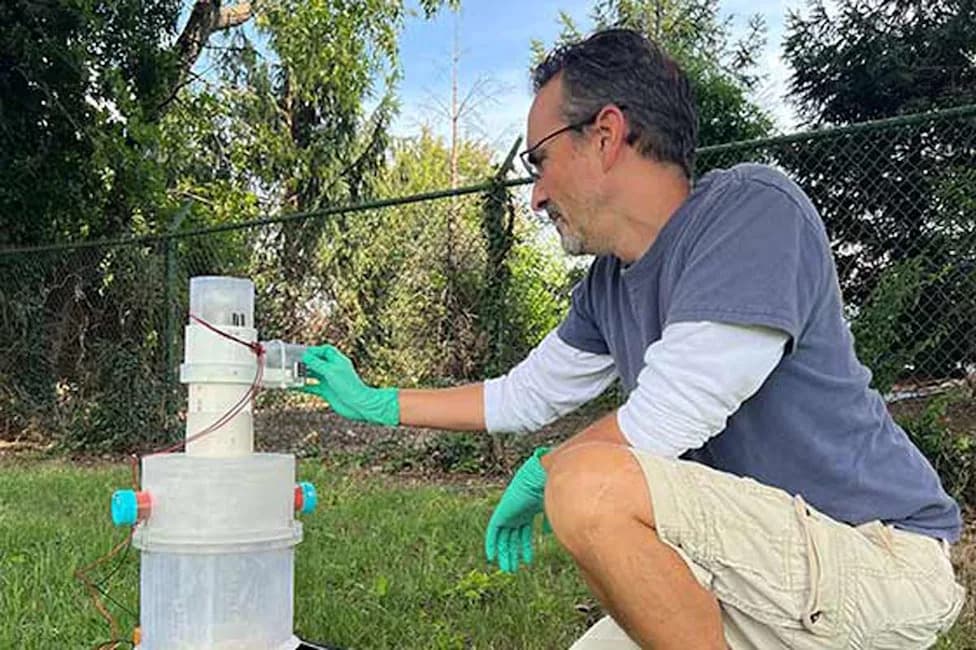
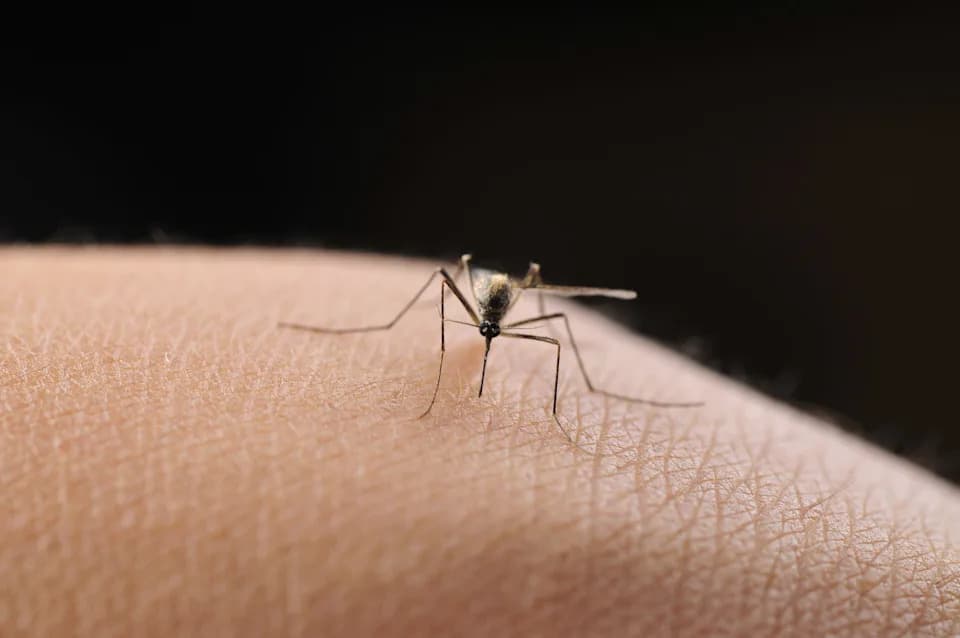
After a July CDC alert that West Nile transmission began unusually early in some states, Delaware relied on sentinel chickens to detect local virus activity. The state keeps flocks of four birds at 20 sites; because chickens are dead-end hosts, positive tests pinpoint where infectious mosquitoes have been active. Researchers are digitizing decades of sentinel data and combining it with environmental and community-science records to improve models that predict seasonal risk.
How Chickens Help Detect Early West Nile Outbreaks — Delaware's Sentinel Program Leads the Way
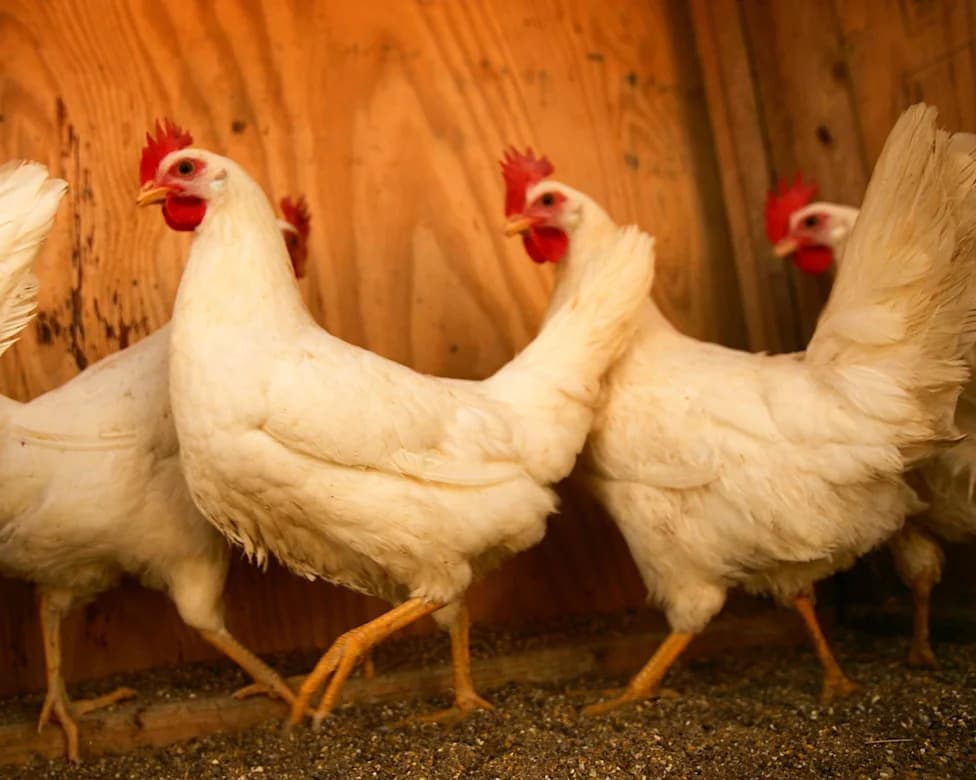
Sentinel chickens in California.Photograph: David McNew/Getty Images
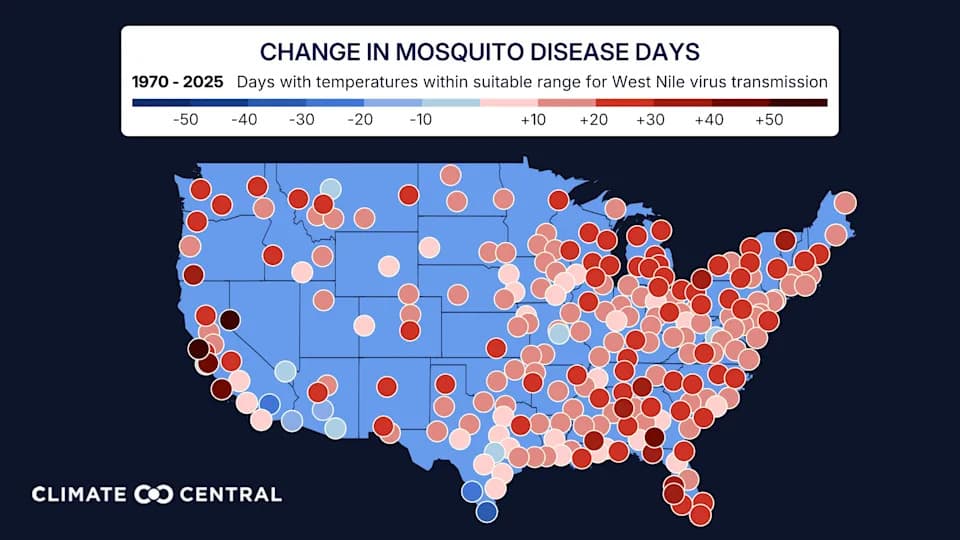
Federal health officials warned in July that West Nile virus transmission began unusually early in some U.S. states, producing the highest early-summer case counts since 2004. In response, Delaware has leaned on an old but proven surveillance tool: sentinel chickens.
What Sentinel Chickens Do
Known as sentinel chickens, small flocks are kept at fixed locations and regularly tested for antibodies to mosquito-borne viruses such as West Nile virus and Eastern equine encephalitis (EEE). Because chickens are dead-end hosts, they can test positive after being bitten by an infected mosquito but cannot spread the virus onward — making them reliable indicators of local virus activity.
“They kind of are the proverbial canary in the coal mine,” said Tom Moran, head of the mosquito control section at the Delaware Department of Natural Resources and Environmental Control.
Why Delaware Uses Chickens
Delaware maintains flocks of four chickens at 20 sites across the state — a sentinel program that began in the early 1980s. Officials say this low-tech strategy provides highly localized information: because the birds stay put, a positive test pinpoints exactly where infectious mosquitoes have been active. That allows mosquito-control teams to target interventions and enables clinicians and veterinarians to be alert for possible cases in people and animals.
Delaware experimented with testing mosquito pools and chickens and ultimately chose to rely on chickens, noting that chickens sometimes detect virus activity in places where mosquito-pool testing did not. Chickens typically need about a week after exposure to develop detectable antibodies, whereas testing mosquito pools can sometimes detect viral RNA faster.
Data, Modeling and Research
Decades of sentinel-chicken records are proving valuable to researchers building predictive models. Lindsay Campbell, an associate professor at the University of Florida, has digitized paper records from state health and mosquito-control programs and combined them with environmental data (temperature, precipitation, land cover) and community-science sources like eBird to trace bird migration and environmental drivers of viral seasons.
Researchers have linked some patterns — for example, landscape associations for EEE and precipitation/temperature patterns for West Nile — to higher or lower seasonal activity. Those models are still complex because transmission depends on interacting factors: mosquito species and abundance, bird hosts and migration, weather and habitat.
“The sentinel chickens are providing important data telling us what happened, while we would like to know what might happen in the future,” said Robert Guralnick, curator of biodiversity informatics at the Florida Museum of Natural History.
Practical Lessons and Innovations
Programs have refined practices over time. Delaware originally used white leghorn chickens but switched to Rhode Island Reds because they were calmer and easier to manage. Officials continue to evaluate newer surveillance methods, including mosquito-pool testing and experimental honey-baited traps, but many jurisdictions still find chickens to be an effective, affordable tool.
What This Means for the Public
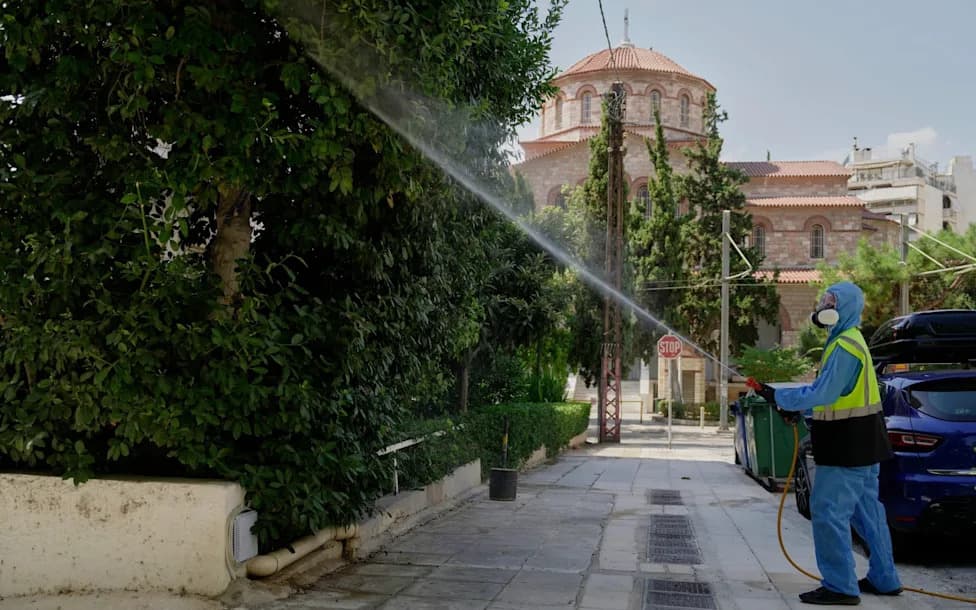
Sentinel results help public-health officials time targeted mosquito-control operations and alert clinicians to consider mosquito-borne diseases when patients present with unexplained flu-like or neurologic symptoms outside of typical flu season. For individuals, practical measures remain the same: reduce standing water around homes, use EPA-registered repellents, wear long sleeves and take extra precautions during peak mosquito season.
Bottom line: While newer laboratory and trapping methods can complement surveillance, sentinel chickens remain a durable and informative early-warning system that helps states like Delaware detect and respond to earlier-than-usual West Nile and other mosquito-borne virus activity.
Help us improve.