Natalie Harp, 35, has emerged as a close and influential aide to President Trump, often described as the last voice he hears. Reports say she prompted a decision to bar several media outlets after showing him critical clips, and she has publicly expressed deep loyalty to the president. Critics warn that a gatekeeper who filters dissent can narrow presidential decision‑making at moments with national and international consequence.
Opinion: How Natalie Harp Became Trump’s Closest Gatekeeper — And Why It Matters
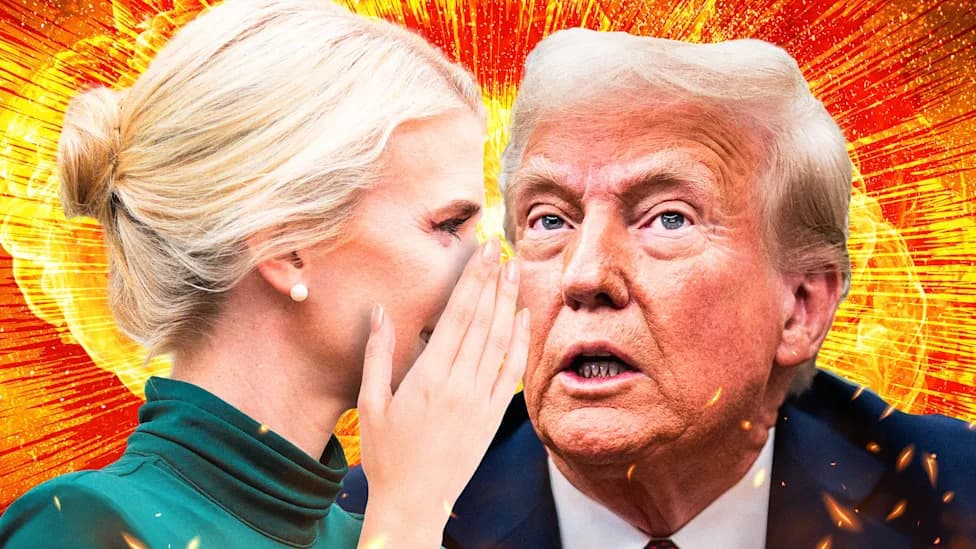
Photo Illustration by Thomas Levinson/The Daily Beast/Getty/Reuters
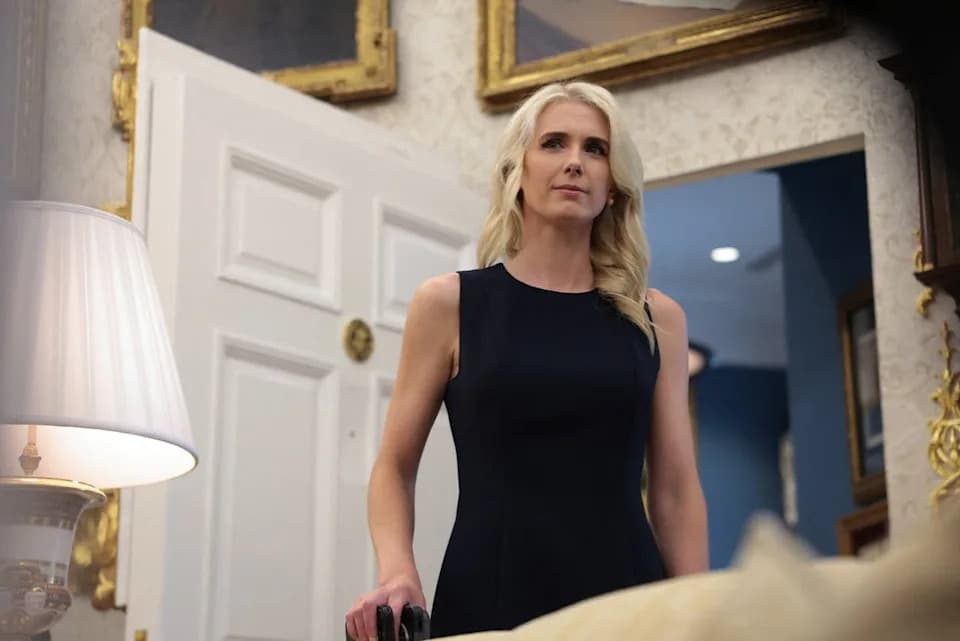
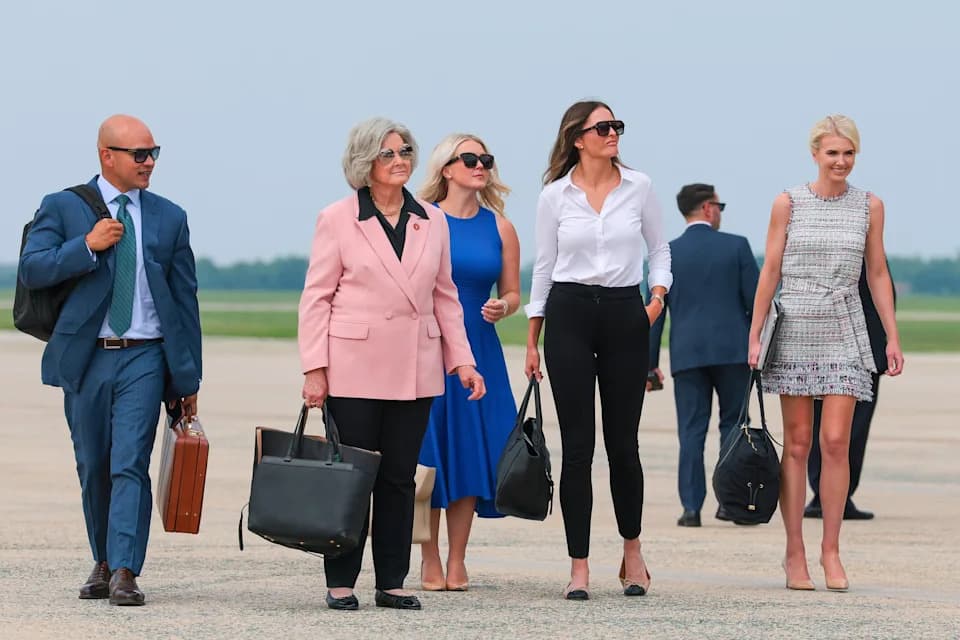
Natalie Harp cautiously climbed into a helicopter Monday afternoon alongside Stephen Miller, Susie Wiles and Margo Martin. They joined President Donald Trump, boarded Air Force One at Joint Base Andrews and flew to New York for the United Nations General Assembly. That afternoon the group was scheduled to meet New York City Mayor Zohran Mamdani and later French President Emmanuel Macron — appearances that implied high‑level diplomacy and the need for experienced counsel.
It may not have been accidental that Wiles and Miller were escorting Harp. Wiles’s political résumé stretches back to Ronald Reagan’s 1980 campaign, and Miller previously worked for lawmakers including Reps. Michele Bachmann and John Shadegg and Sen. Jeff Sessions. By contrast, Harp, 35, has a more unconventional background: she was homeschooled in California and graduated from Point Loma Nazarene University, and she worked for a far‑right cable outlet from 2020 to 2022.
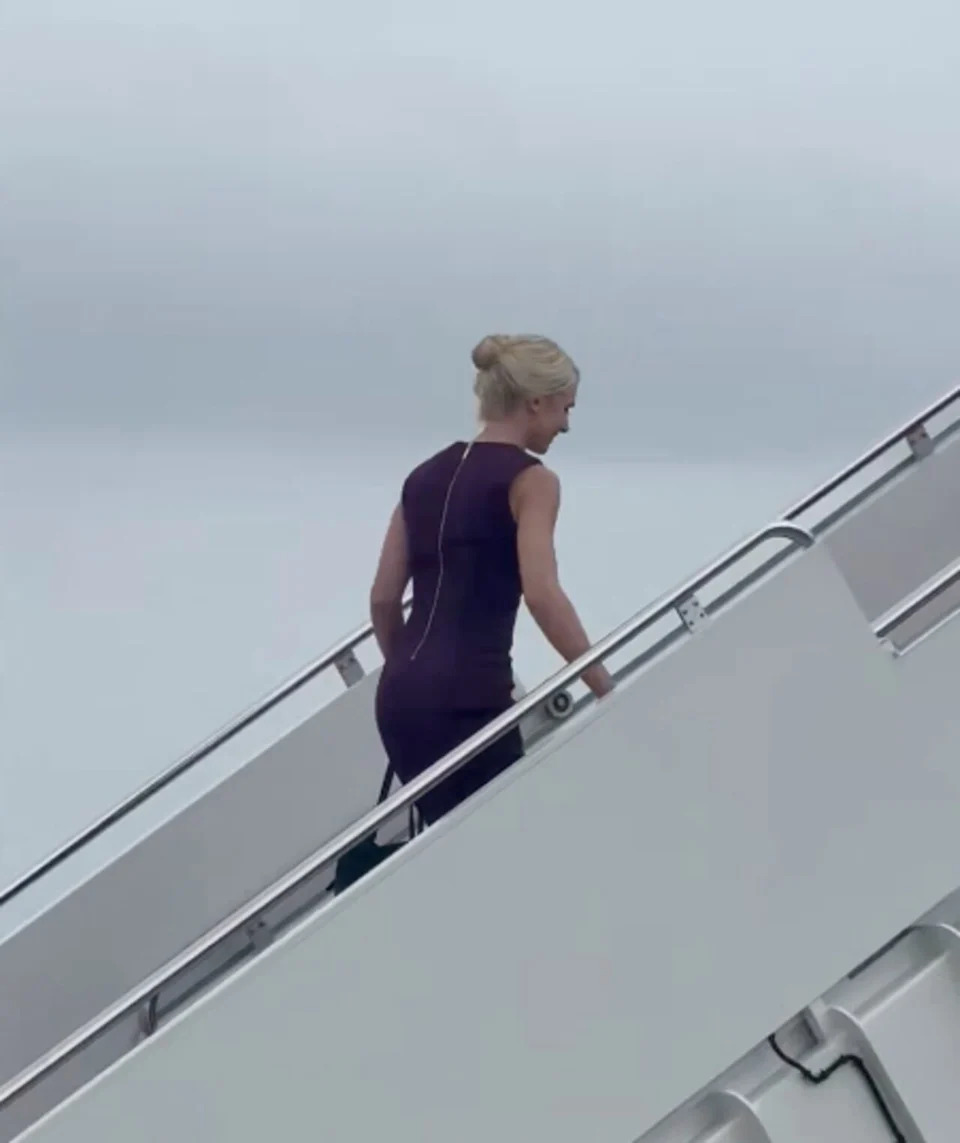
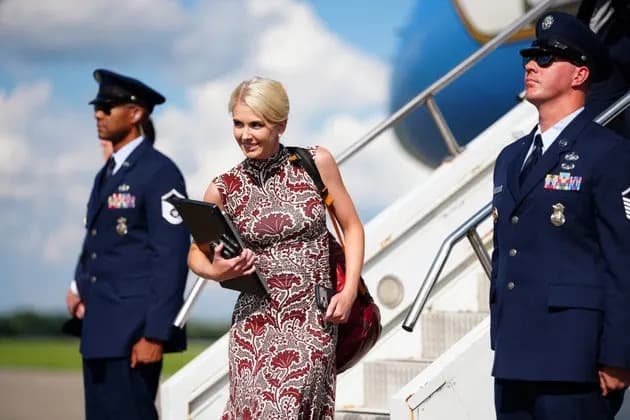
Natalie Harp walks up the steps of Air Force One on Monday. / Elina Shirazi/X
Why her role raises concern
Multiple reports, including one in The Wall Street Journal, say Harp played a key role in the president’s decision to bar several news outlets — specifically CNN, MS NOW and Politico — from White House access after showing Mr. Trump clips of anchors criticizing the administration. Within hours of viewing those clips, the president posted on Truth Social that the outlets were no longer welcome at the People’s House.
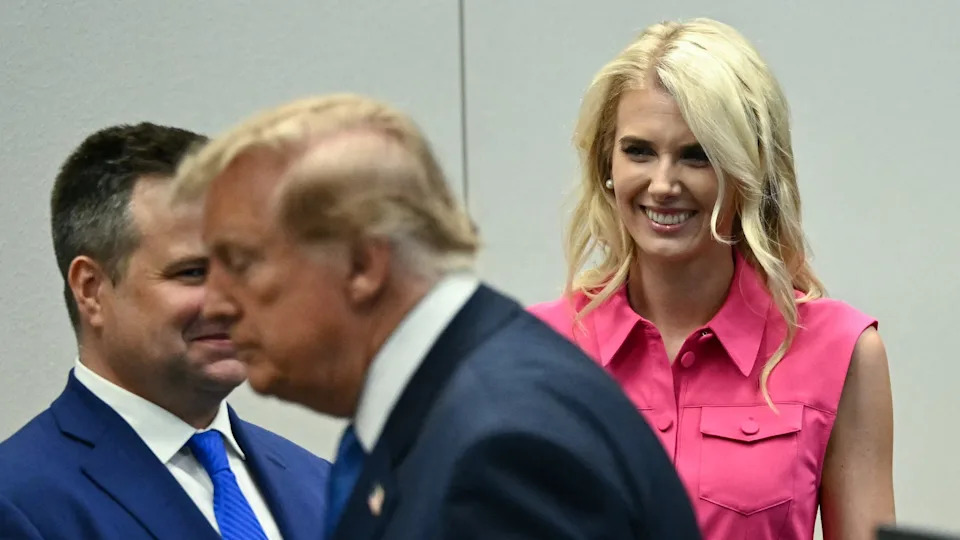
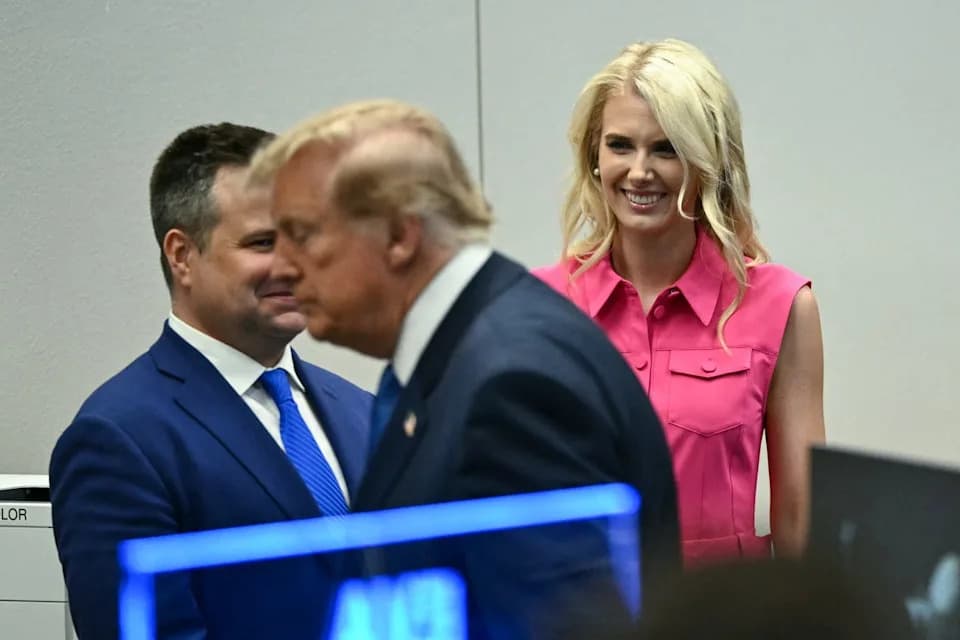
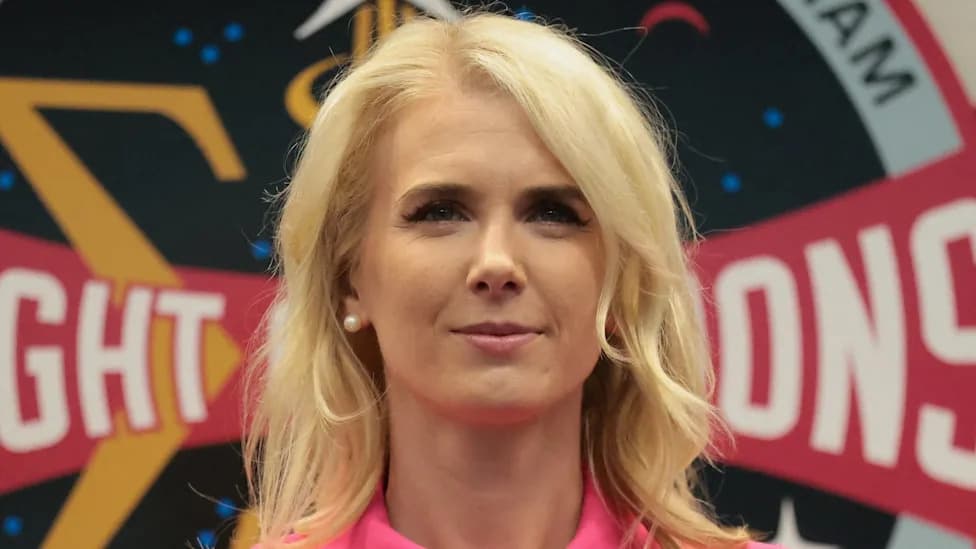
Natalie Harp, aide to US President Donald Trump, looks on as President Trump visits the Mission Control Center at NASA Lyndon B. Johnson Space Center in Houston, Texas, on August 28, 2026. / KENT NISHIMURA / AFP via Getty Images
Those developments have prompted questions about how the president receives information. The old adage in the West Wing is that the president is often swayed by the last voice he hears. According to reporting, that voice is increasingly Harp’s.
Harp has described a personal debt to the president: she has said she received life‑saving cancer medication after a policy change he supported. Reporting also highlighted private letters in which she pledged deep loyalty — writing to Mr. Trump, "You are all that matters to me." Once treated as a comic figure known as the so‑called "Human Printer" for supplying flattering clippings, Harp now appears to be a constant presence at the president’s side.
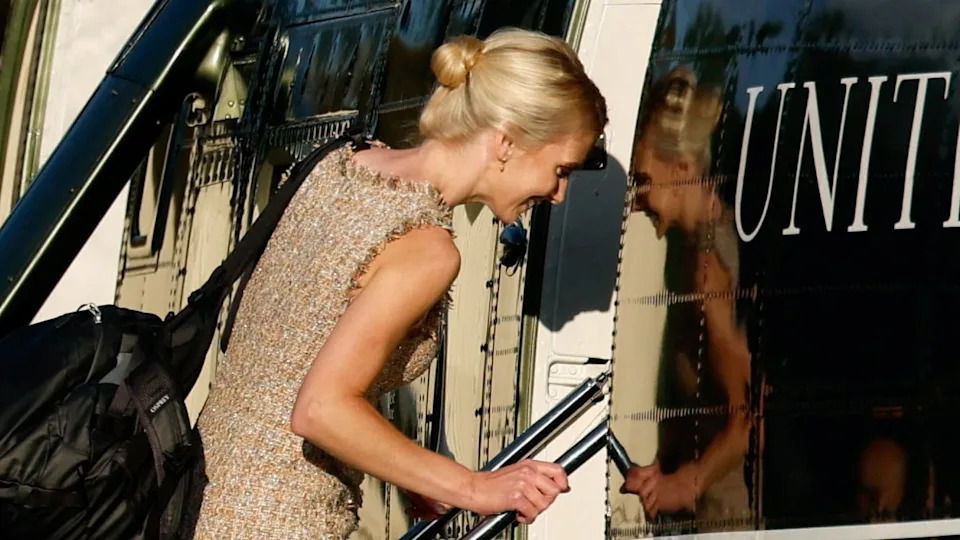
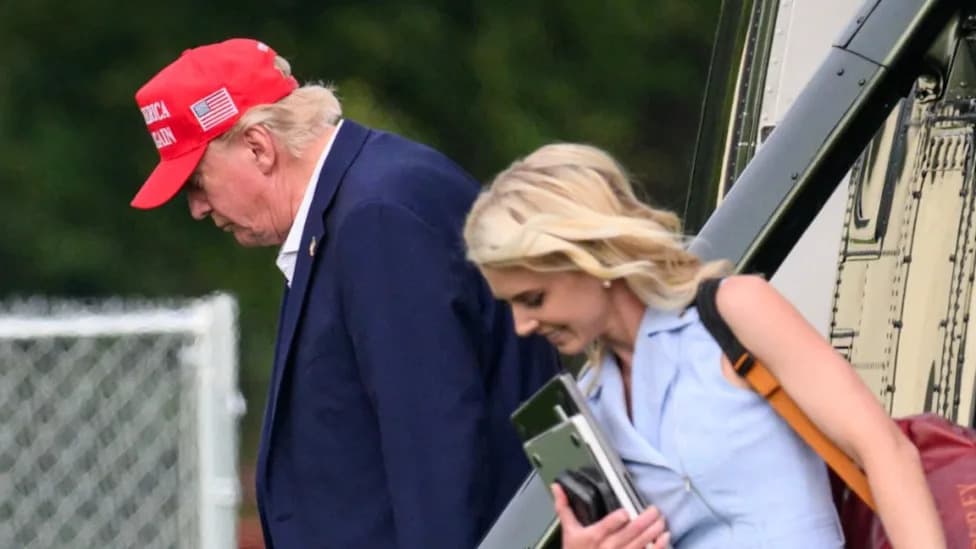
Natalie Harp boards Marine One near the White House on Friday. / Evan Vucci / REUTERS
Her proximity was notable during an episode in which Mr. Trump reportedly slipped away from Air Force One in a catering truck amid fears of a possible Iranian terror threat in Turkey; those reports said Harp was among the few who accompanied him while others, including Secretary of State Marco Rubio, remained with the media pool.
Gatekeeper Power And The Risks Of Filtered Advice
A gatekeeper’s influence is not only about whom they admit but whom they exclude. Historical presidents like George Washington and Abraham Lincoln deliberately sought opposing views to test their judgments. Critics warn that a close, loyal aide who screens dissenting voices can narrow the president’s perspective at moments when broader counsel is needed.
President Trump — publicly defiant and resistant to contradiction — already faces scrutiny for the composition of his inner circle. Observers caution that a persistent echo in the ear of any leader is especially risky when decisions have global consequences.
Bottom line: The concern is not merely personal loyalty; it is whether concentrated influence and limited dissent might amplify errors at the highest levels of power.
Whether one views these developments as alarming or simply reflective of the inner workings of a political team, the question remains the same: who shapes the information the president sees, and how might that shape consequential decisions?
Help us improve.