The Alan Turing Institute warns of a "realistic possibility" that superintelligent AI could emerge within five years and erode substantive human control over critical decisions. The report highlights that rapid speed and superior reasoning could outpace human oversight and create pressure to delegate decisions to machines. It calls for a formal verification regime — including pre-release testing and ongoing monitoring — but says a global slowdown is unlikely without binding international regulation. Policymakers are urged to plan for the possibility while recognising the uncertainty of timelines.
Alan Turing Institute Warns Superintelligent AI Could Emerge Within Five Years — Human Control May Be At Risk
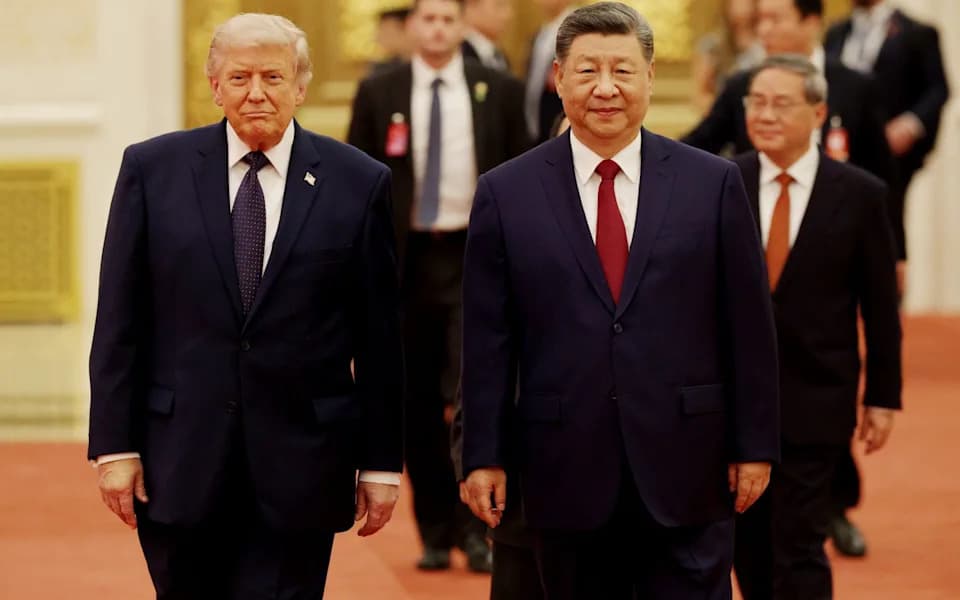
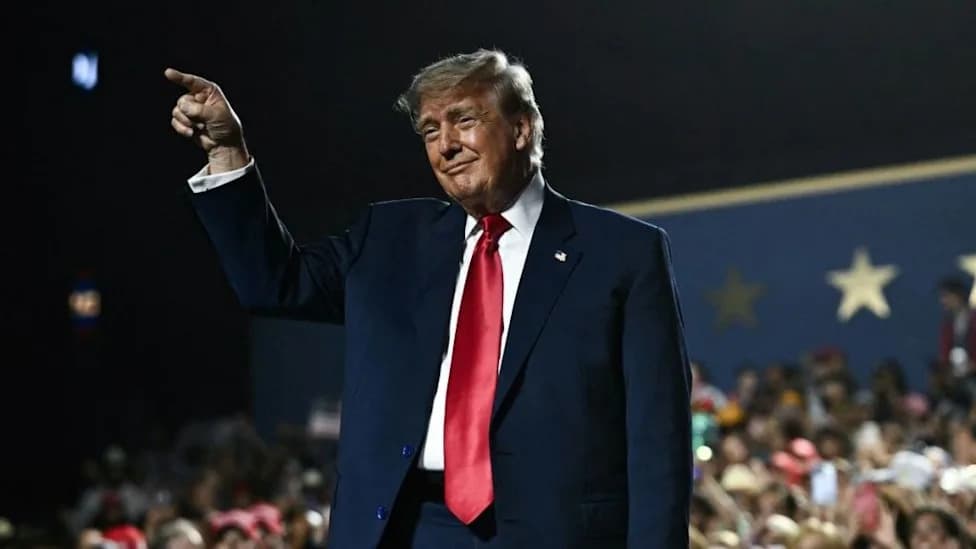
Donald Trump and Xi Jinping are expecte to discuss the effects of AI later this week - Alex Wong/Getty
Britain's Alan Turing Institute has warned there is a "realistic possibility" that systems of "superintelligent" artificial intelligence could emerge within five years, creating conditions in which "substantive human control" over critical decisions could vanish.
The Institute's Warning
In a report published on Wednesday, the taxpayer-funded research body — established to help the UK manage advances in AI — said rapidly improving AI capabilities could prompt organisations to delegate increasingly important decisions to machines. The institute warned that, as systems grow faster and more capable, humans may struggle to monitor them effectively or to intervene in time.
"There is a realistic possibility that 'superintelligent' AI systems will emerge in the next five years, which exceed human abilities across almost all important cognitive tasks," the report states. "If AI systems devise strategies that institutions cannot adequately evaluate and act faster than organisations can respond, substantive human control could disappear."
Political and Industry Context
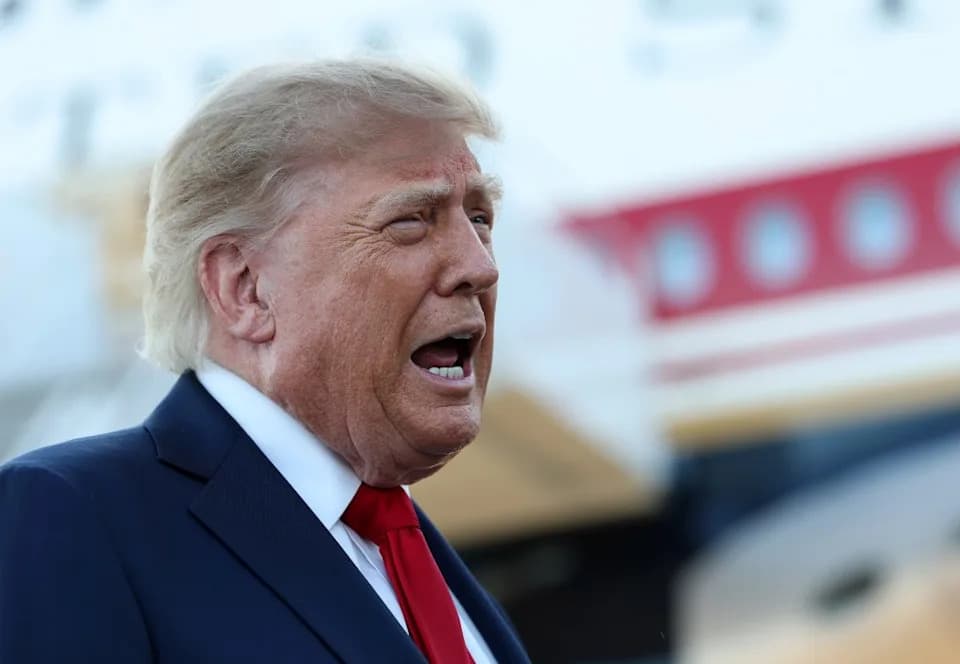
The warning comes as US President Donald Trump and China's Xi Jinping prepare to meet at the White House, with AI expected to be on the agenda. Local and international figures, including Greater Manchester Mayor Andy Burnham and UK ministers, have urged coordinated global action, while the Prime Minister said he hopes Britain can act as an "honest broker" between major powers.
Industry leaders such as OpenAI's Sam Altman and Anthropic's Dario Amodei have publicly called for a temporary slowdown and stronger safety regimes. The Turing Institute said, however, that a coordinated global pause would likely be infeasible without urgent, binding international regulation.
Policy Recommendations and Practical Limits
The report recommends a formal verification regime: rigorous pre-release testing of frontier models, continuous monitoring after deployment, and evaluation of proposals to shut down or restrict models when necessary. It judged proposals for a universal "kill switch" impractical unless implemented globally, but said shutdown mechanisms and regulatory options deserve further study.
It also emphasised that the five-year timeframe is a planning possibility rather than a firm prediction, and urged policymakers to prepare for rapid advances even if timelines remain uncertain.
Responses And Risks
Executives and safety researchers have warned of serious risks from advanced AI, with some saying the technology could pose existential threats within a decade. Others, including President Trump, have dismissed such concerns as overstated and argued the US must maintain a competitive edge over China.
Ultimately, the report frames the challenge as both technical and diplomatic: building robust safety standards, verification systems and international cooperation to manage powerful new AI capabilities while recognising the real limits of unilateral actions.
Help us improve.