Pollsters enter the midterms facing mounting doubts after repeated forecasting errors, fabricated surveys and the rise of prediction markets and AI-driven "silicon sampling." Since 2016, polling has shown persistent weaknesses in national and primary contests; August 2026 primaries and exposure of sham polls deepened public skepticism. Prediction markets like Polymarket and Kalshi and AI-simulated responses offer alternatives — but each has limits, and methodological transparency remains essential.
Polling Under Pressure: Why Pollsters Face an Uphill Battle Ahead of the US Midterms

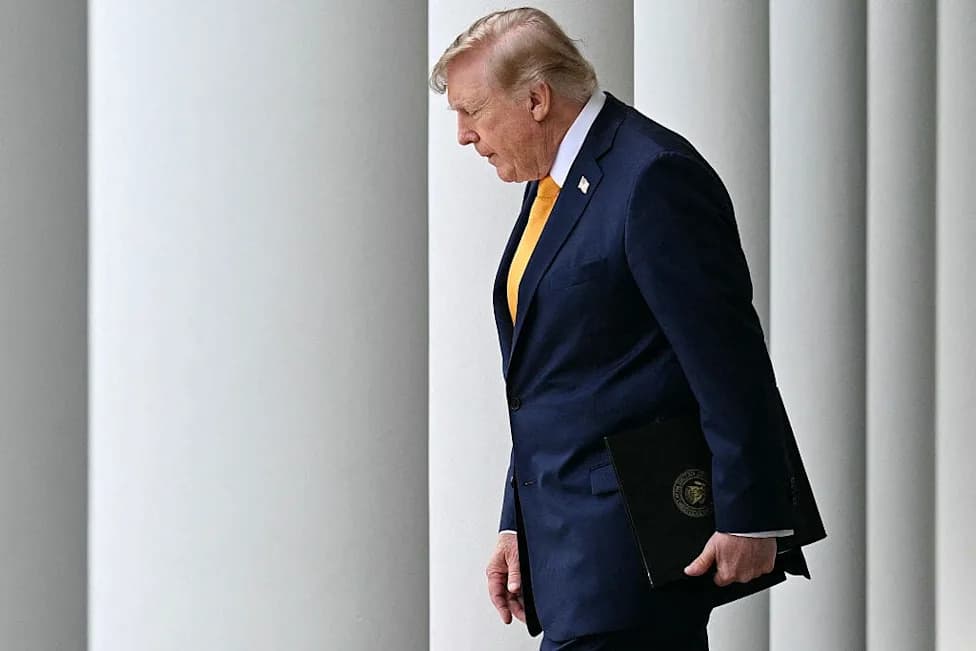
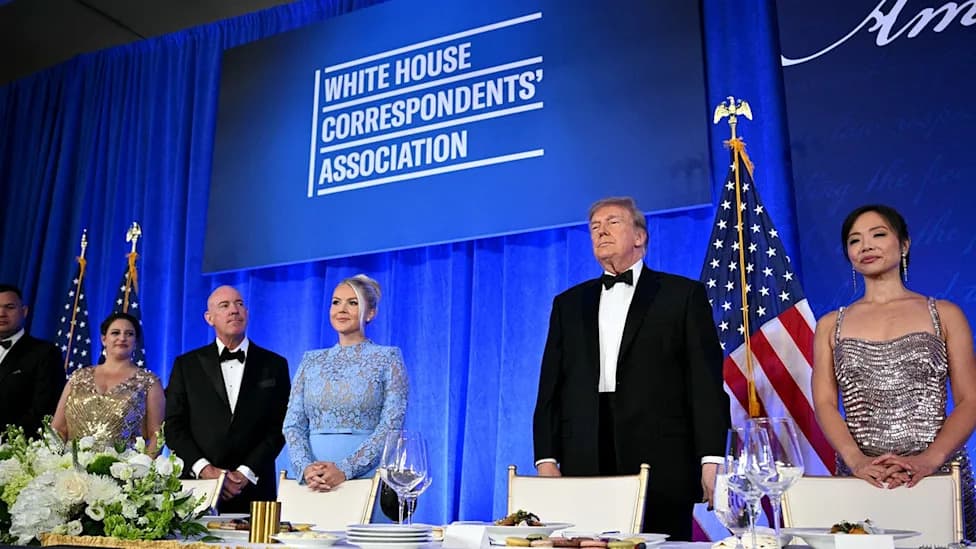
Prediction markets are playing a growing role in political forecasting.Olivier Douliery/AFP via Getty Images
Pollsters approach this year's midterm elections under intense scrutiny after a decade of high-profile misses, new forms of competition and rising skepticism about survey reliability. From repeated errors in national contests to fabricated surveys and emerging AI techniques, the institutions that long informed political forecasts are being challenged on multiple fronts.
Recent High-Profile Failures
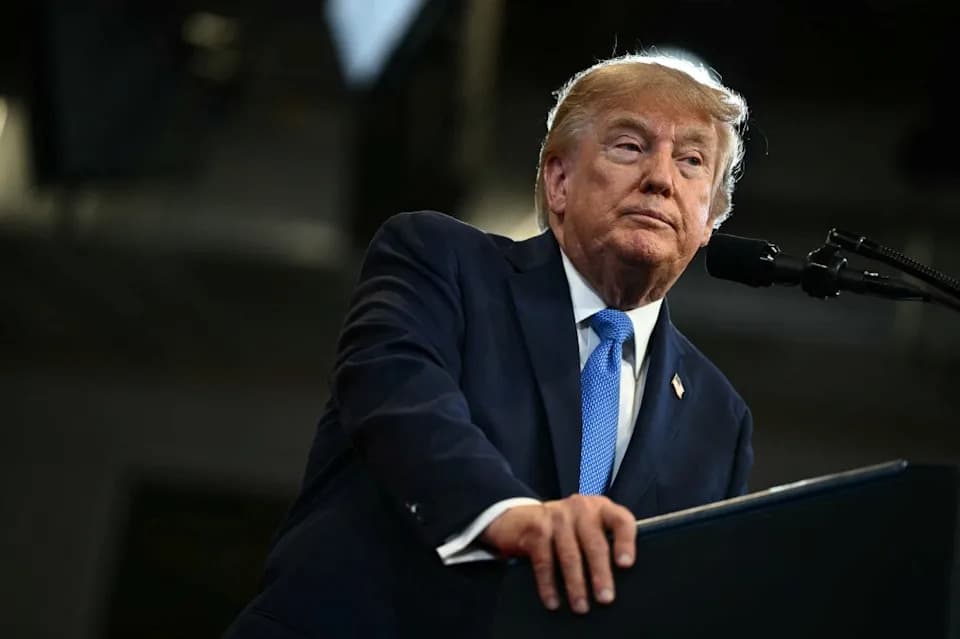
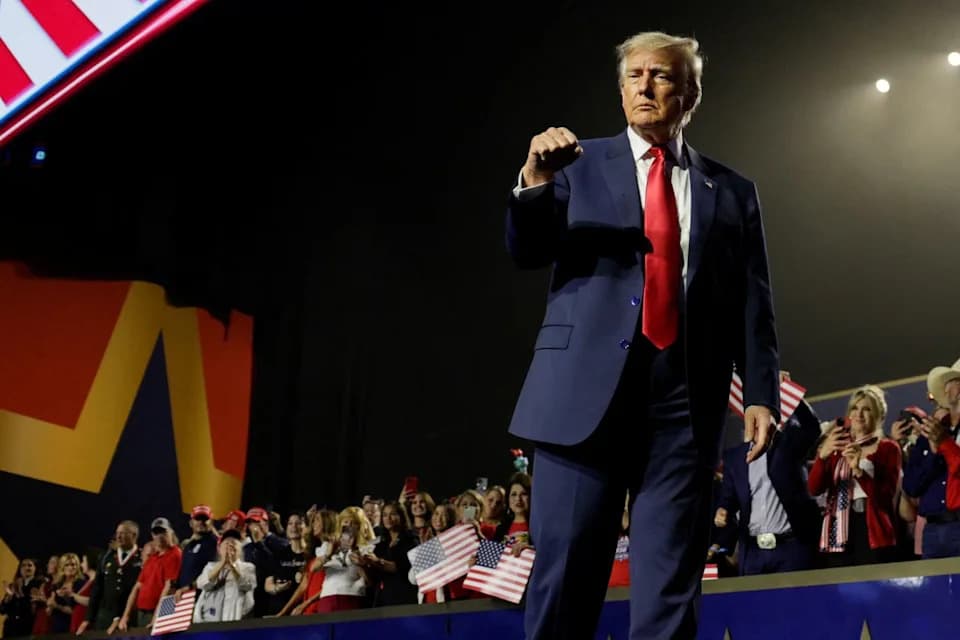
Polling missteps date back to 2016, when Donald Trump's victory defied many pre-election expectations. In 2020, pollsters collectively overstated Joe Biden's margins — the worst performance in roughly 40 years. Performance in 2022 was uneven, and in 2024 many poll aggregates again underestimated Donald Trump's popular support.
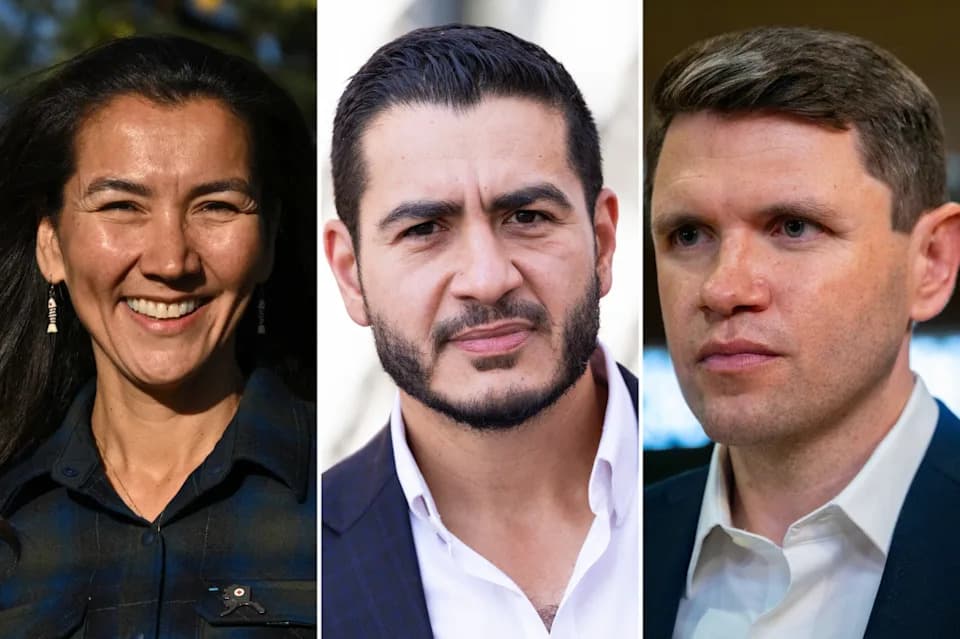
Those problems continued into 2026. In August, polls in Democratic primaries for the U.S. Senate in Michigan and for governor in Wisconsin showed apparent double-digit leads that evaporated on election night, prompting renewed headlines such as "Should we ever trust polls again?"
Fabricated Polls and Media Amplification
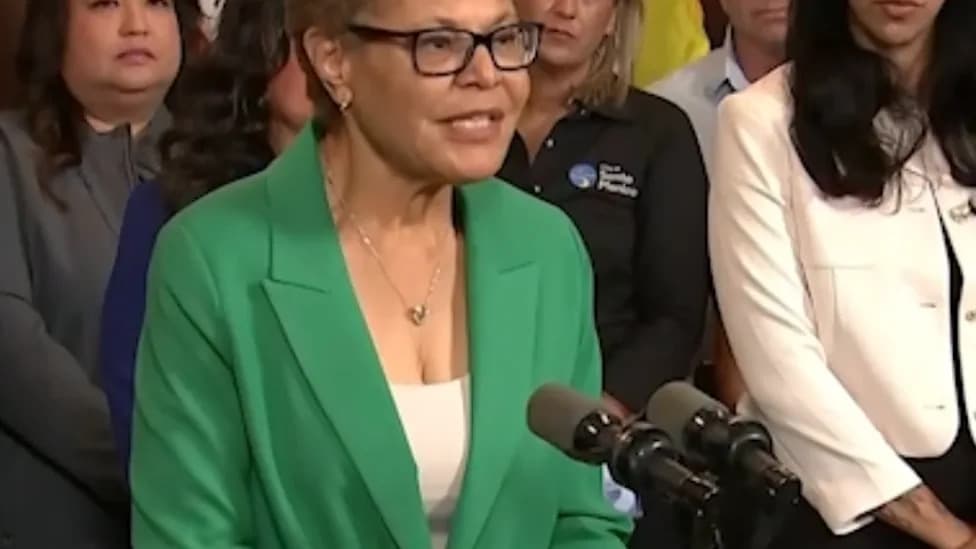
Compounding methodological troubles were revelations that a 21-year-old created and published fabricated poll results for competitive contests in Wisconsin, Nevada and Los Angeles via a website called Median Strategies. One sham survey claimed Los Angeles Mayor Karen Bass led her reelection bid by double digits; the phony figures were shared by the mayor's campaign on social media and cited in news coverage before the fraud was exposed.
Fabricated surveys accelerate confusion because they can be amplified by campaigns and media before vetting — a particular problem in low-turnout primary races where small errors have outsized effects.
Prediction Markets: Rival Or Complement?
Prediction markets such as Kalshi and crypto-based Polymarket have re-emerged as prominent forecasting tools. They provide real-time, market-based probabilities and have attracted attention by sometimes diverging from poll-based estimates. In 2024, Polymarket and Kalshi favored a Trump victory while many aggregated polls gave Vice President Kamala Harris a narrow edge.
Some market advocates, including Polymarket's founder Shayne Coplan, have claimed markets are the most accurate forecasting tool available. But many analysts remain skeptical. Nate Silver and others note that bettors often react to polls and forecast models, creating interdependence rather than a pure alternative. Markets have also had notable misses: in a recent Wisconsin Democratic gubernatorial primary, Kalshi and Polymarket both gave candidate Francesca Honga roughly 95% odds of victory; she narrowly lost.
Methodological Headwinds: Low Response Rates and Weighting
Pollsters confront persistently low response rates as people increasingly ignore survey requests. Low participation makes it difficult to assemble representative raw samples, so researchers apply statistical adjustments — known as weighting — to align respondents with population benchmarks on variables such as education, race, gender, party registration and past vote.
Weighting choices differ across firms and can materially alter poll outcomes. Political scientist Josh Clinton warns that even reasonable weighting decisions can produce substantial shifts in reported results, which means methodological transparency and careful benchmarking remain essential.
Silicon Sampling: AI Enters Survey Research
"Silicon sampling," in which AI agents simulate human survey responses, has emerged as a faster and cheaper alternative to conventional field work. Organizations including Gallup say they are exploring simulated responses to see whether AI can deepen understanding of public attitudes.
Early uses of AI-driven simulations produced mixed results. A startup, Aaruforecast, used AI agents to project Vice President Harris would carry four of seven key swing states in 2024 — the same result shown in some traditional state polls — yet she lost all seven. Silicon sampling raises ethical and methodological issues about representativeness and authenticity that pollsters and researchers are still debating.
What This Means for the Midterms
Polls remain a valuable tool, but their limits are clearer than a decade ago. Prediction markets, AI simulations and the risk of fabricated data complicate the landscape. For journalists, campaigns and the public, the lessons are familiar: scrutinize methodology, compare multiple sources (including aggregated polls and markets), and treat single surveys — especially in low-turnout primaries — with caution.
About The Author
This article summarizes reporting and analysis originally published by The Conversation and written by W. Joseph Campbell of the American University School of Communication. The author has disclosed no relevant commercial affiliations.
Help us improve.