Tony Fabrizio, President Trump's longtime pollster, warns that blanket support for AI data centers is politically risky. In a two-page memo he offers a three-step script—validate voters' concerns, draw a clear line against projects that burden communities, and condition approvals on enforceable protections (companies must provide their own power, protect ratepayers, and safeguard local water). Fabrizio's polling finds 61% of voters favor conditional approvals.
Trump Pollster's Playbook: How GOP Candidates Should Handle Backlash Over AI Data Centers
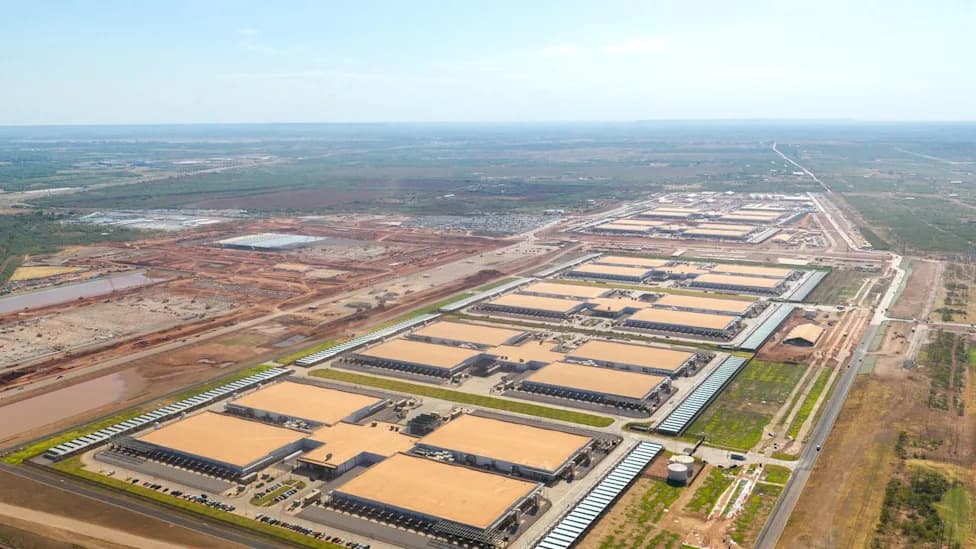
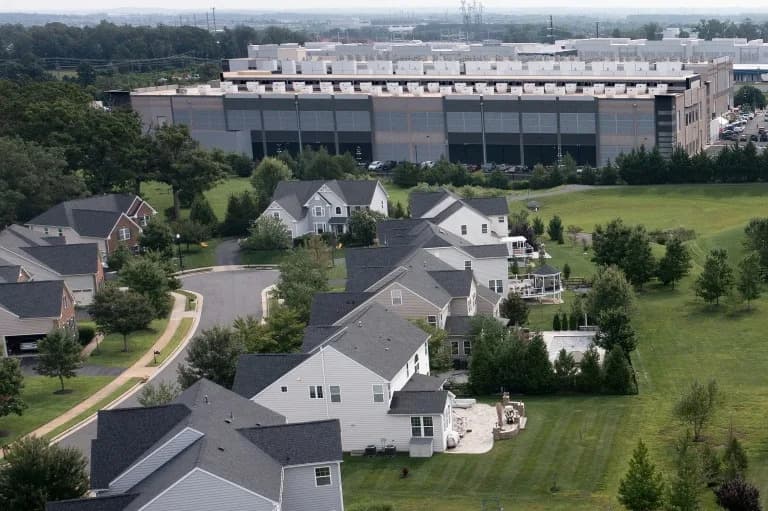
In an aerial view, the Stargate Oracle AI data center campus is seen on August 26 in Abilene, Texas. (Photo by Brandon Bell/Getty Images)
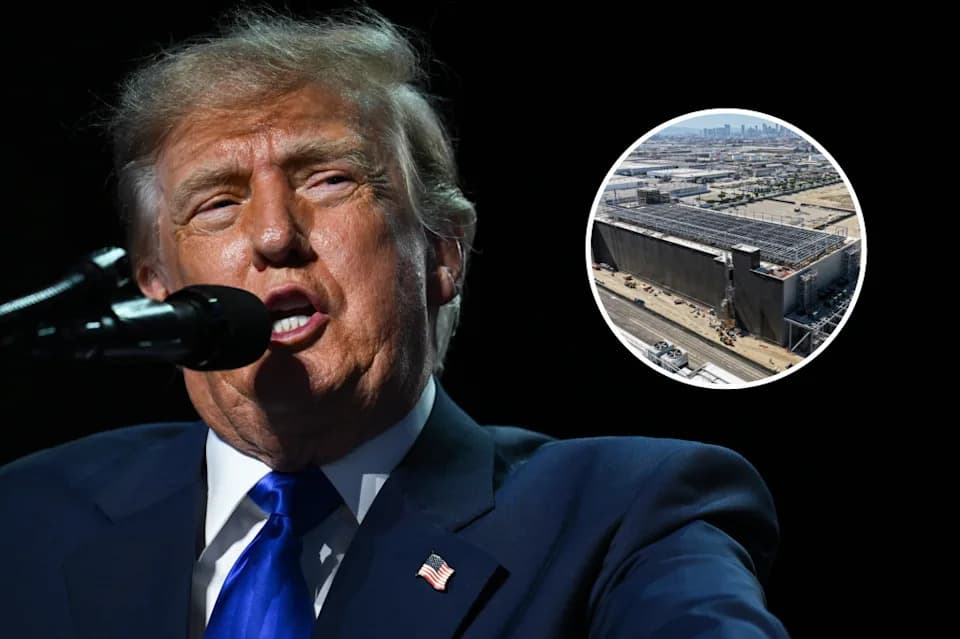
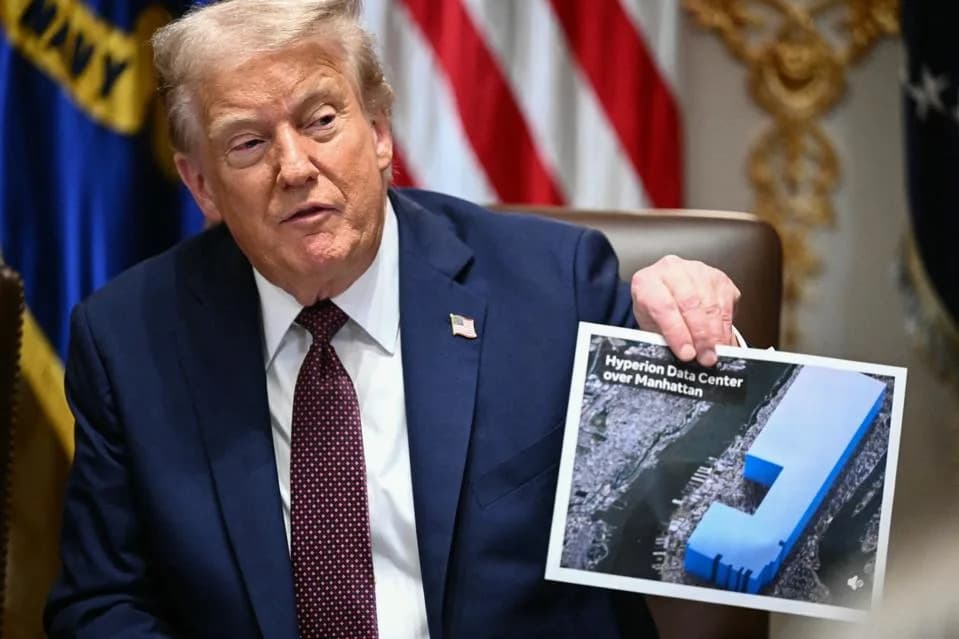
President Trump's longtime pollster, Tony Fabrizio, has circulated a two-page memo advising Republican candidates how to respond to Democratic attacks and voter concerns about AI data centers. The guidance emphasizes that blanket endorsements of more data centers are politically risky and lays out a precise, three-step script campaigns can use to shift from defense to offense.
Why It Matters
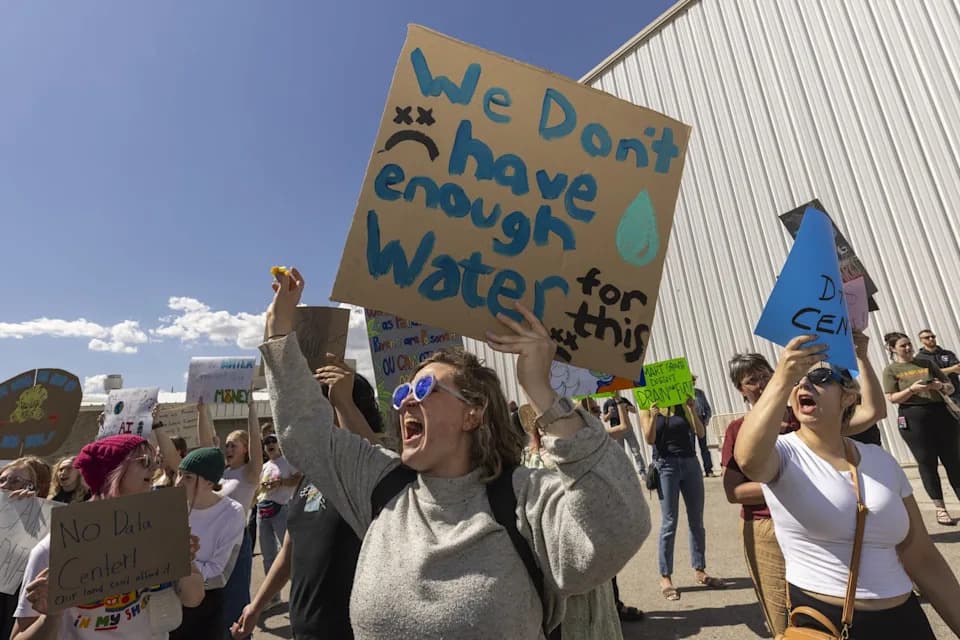
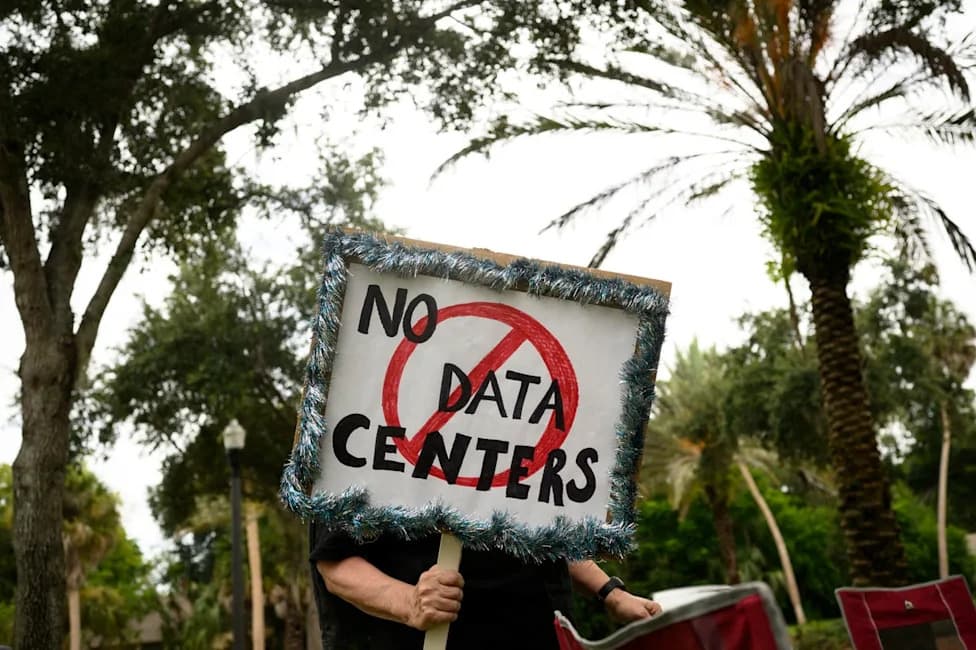
Republican strategists say candidates have been inconsistent in answering local concerns about data centers—particularly worries about utility costs, strain on the power grid, and water usage. Fabrizio’s memo seeks to give GOP campaigns a unified, voter-friendly message that makes approval conditional on safeguards rather than offering unqualified support.
The Playbook
Fabrizio warns that saying "I support building more data centers" is a vulnerability: "It will be clipped and show up in ads." Instead, he counsels candidates to condition support on enforceable protections. Key demands include that developers finance their own power needs, protect consumers from higher utility bills, and safeguard local water and natural resources.
"This converts the candidate from a defender of technology companies into the person imposing rules on them," Fabrizio writes.
Three-Step Script
1. Validate. Acknowledge voters' concerns about rising utility costs, grid strain, and water consumption so communities feel heard.
2. Draw the line. Promise not to back projects that would force families or ratepayers to subsidize them or that would harm neighboring communities.
3. Condition approval. State that projects can move forward only if companies supply their own power, protect ratepayers, and preserve local water resources—and make those requirements enforceable, not voluntary.
What To Avoid
Fabrizio cautions campaigns against generic endorsements of "more data centers," relying only on job or China-focused arguments, dismissing local concerns, or defending projects before their costs and resource demands are known.
Polling
According to Fabrizio’s polling cited in the memo, 61% of registered voters favor allowing data center construction with conditions, compared with 28% who favor prohibiting them outright. The polling also finds voters oppose additional construction without conditions by a 65% to 24% margin.
Background
Fabrizio is a central figure in Trump's midterm political operation and has helped shape GOP polling and strategy. Despite party tensions over the issue, President Trump continues to publicly promote data centers, calling them an economic boon and likening them to a long-term growth industry.
Takeaway
Fabrizio’s memo gives Republican candidates a simple, repeatable message: acknowledge local concerns, refuse projects that shift costs onto residents, and demand enforceable protections from developers. That approach reframes candidates as regulators protecting communities rather than as defenders of tech companies.
Help us improve.