Ukraine is fast-tracking high-speed interceptor drones to counter Russia's jet-powered Geran family. Wild Hornets says its upgraded Sting S, controlled via Hornet Vision Ctrl, downed a Geran-5 in combat trials and may enter mass production after testing. President Zelenskyy also shared footage of a delta-wing jet interceptor reportedly used by the SBU. Russia has sharply increased jet-drone launches—about 2,800 in August versus 350 in June—prompting Kyiv to prioritize faster, lower-cost interceptors.
Ukraine's New High-Speed Interceptors Are Bringing Down Russia's Fastest Jet-Powered Drones
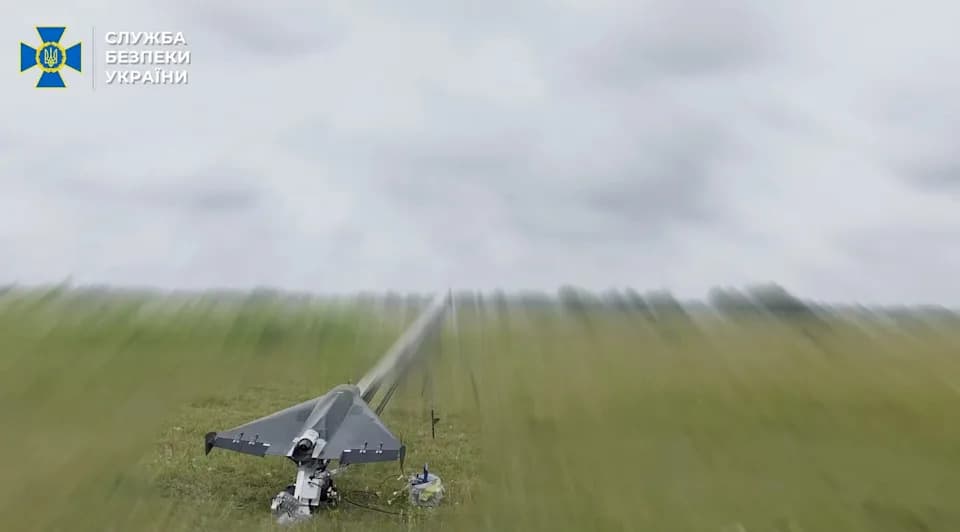
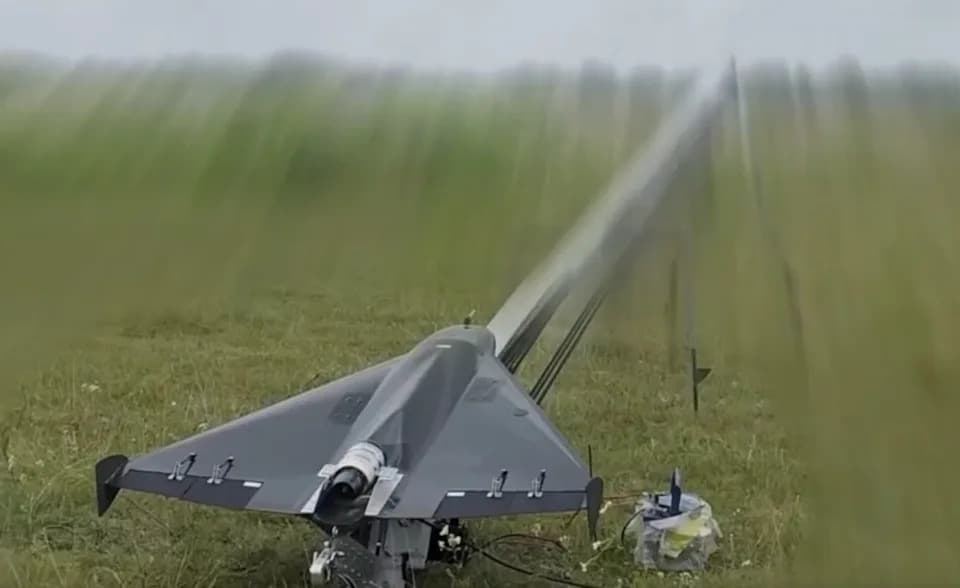
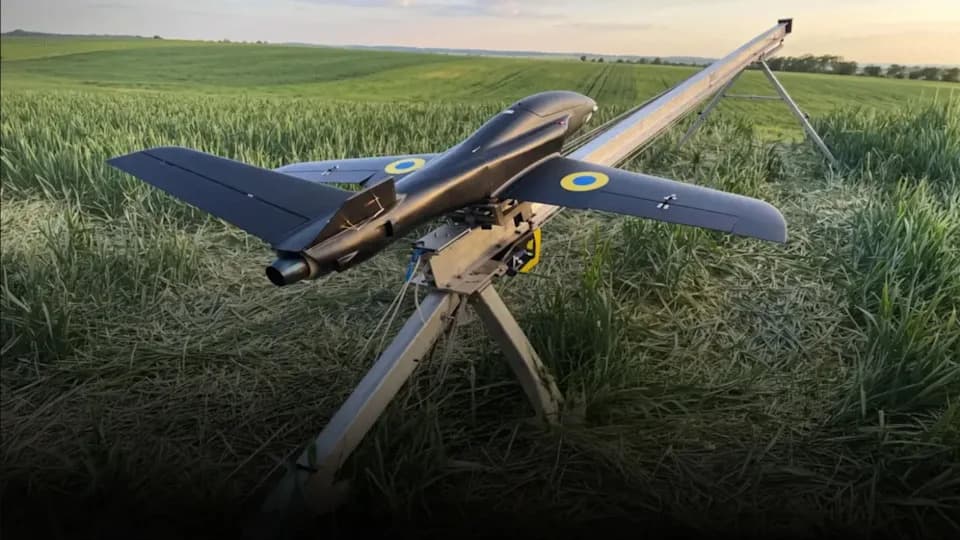
The new interceptor disclosed by Zelenskyy has a delta-wing shape and a jet engine.Ukrainian President Volodymyr Zelenskyy/Screengrab via X
Ukraine is rapidly expanding a fleet of high-speed interceptor drones designed to counter Russia's fastest jet-powered attack UAVs, including the Geran-5. The new systems aim to fill gaps in air defenses created by the emergence of faster, turbojet-powered drones.
Combat Trials and Wild Hornets' Sting S
Ukrainian firm Wild Hornets reported that a tactical air-defense unit used its upgraded Sting S interceptor to shoot down a Russian Geran-5 during recent combat trials. The company said crews also destroyed roughly a dozen slower Geran-4 jet-powered models over the same period.
Wild Hornets described the Sting S as an evolution of its bullet-shaped Sting design and said most successful interceptions during trials were carried out by Sting craft controlled remotely via the company's "Hornet Vision Ctrl" system. That setup allows pilots to operate interceptors from secure locations located hundreds of miles from launch sites. The company plans to begin mass production of the Sting S after trials conclude.
Delta-Wing Interceptor Shown by Zelenskyy
President Volodymyr Zelenskyy posted footage of a separate interceptor—developed by an unnamed manufacturer and reportedly deployed by Ukraine's SBU (security service). This system uses a delta-wing airframe and a jet engine, a form factor that differs from the Sting family. The SBU said the delta-wing interceptor shot down a Geran-5 during operations.
The Geran Threat
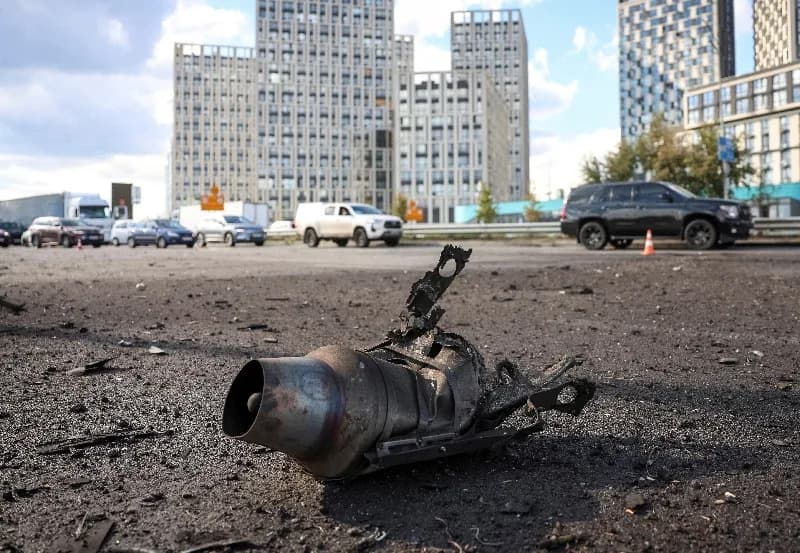
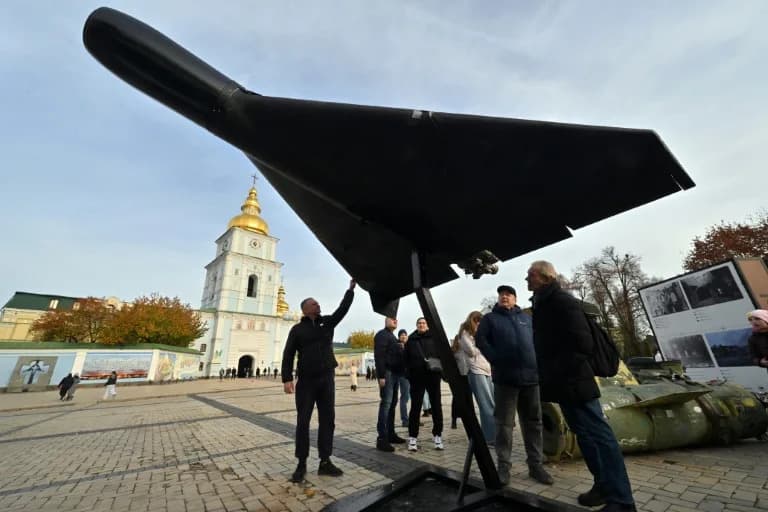
Ukrainian intelligence says the Geran-5 can approach speeds of nearly 375 mph and carry a warhead of about 200 pounds, making it more akin to a cruise missile than earlier propeller-driven drones. Earlier in the war, Russia relied heavily on the piston-engine Geran-2 (a domestic version of Iran's Shahed-136). After Kyiv developed effective counters to those slower models, Moscow introduced three turbojet-powered variants that cruise well above 200 mph.
Scale Of The Challenge And Kyiv's Response
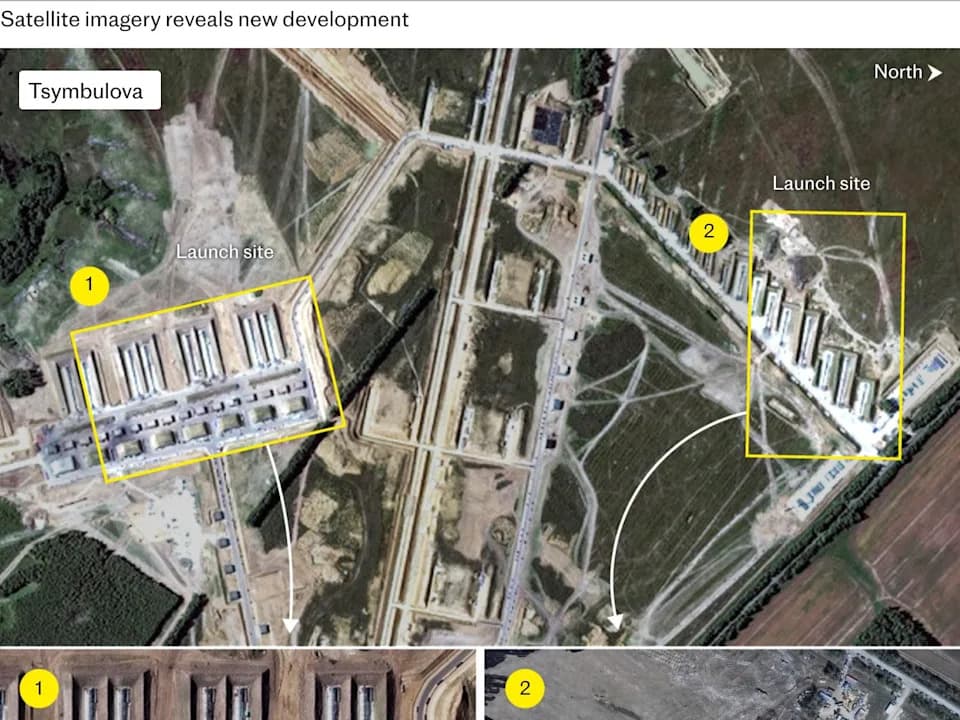
Russia has expanded infrastructure at air bases to support launches of jet-powered drones. Ukraine's air force reported that Russia launched roughly 2,800 jet-powered drones in August versus about 350 in June, and interception rates have fallen from around 90% for propeller models to roughly 60% for jet variants. Kyiv has used fighter jets and surface-to-air missiles against the new threat, while accelerating development and fielding of faster, lower-cost interceptor drones to plug gaps in air defense.
Unknowns: It remains unclear how fast the new interceptors will be in mass production or how much they will cost. Earlier interceptor generations often cost several thousand dollars—only a fraction of the value of the targets they destroy.
Help us improve.