Nearly 1,000 Indian Runner ducks patrol Vergenoegd Low Wine Estate near Stellenbosch each morning, eating aphids, snails and other pests as a natural alternative to chemical sprays. The estate—using ducks for about 40 years—keeps roughly 890 birds and expects 400 hatchlings this season, selling some to nearby farms. Sheep and cattle are also integrated to recycle manure into soil nutrients, supporting a regenerative approach that improves soil health and crop resilience. The daily "duck run" has become both an ecological strategy and a popular visitor attraction.
Nearly 1,000 Ducks Replace Pesticides at South African Wine Estate — A Daily 'Duck Run' Attraction
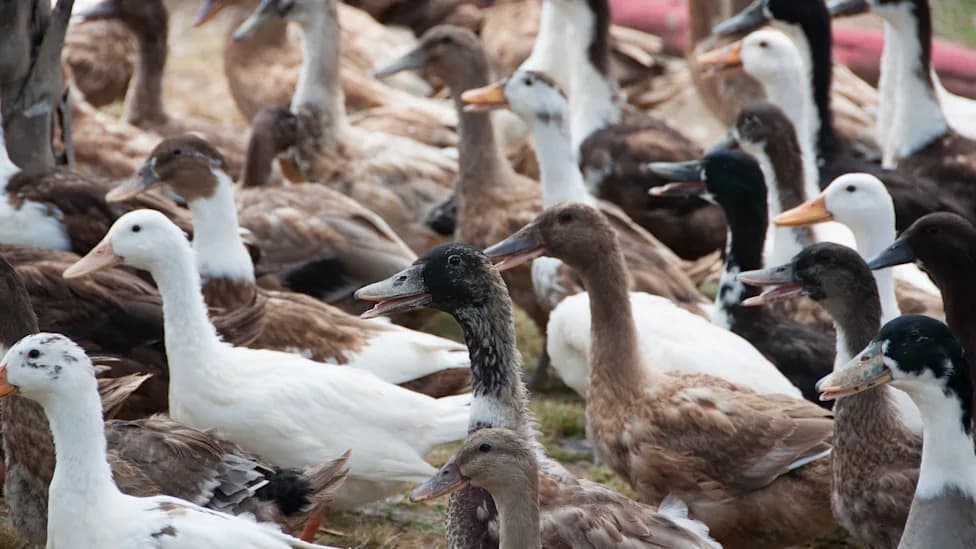
Photo Credit: iStock
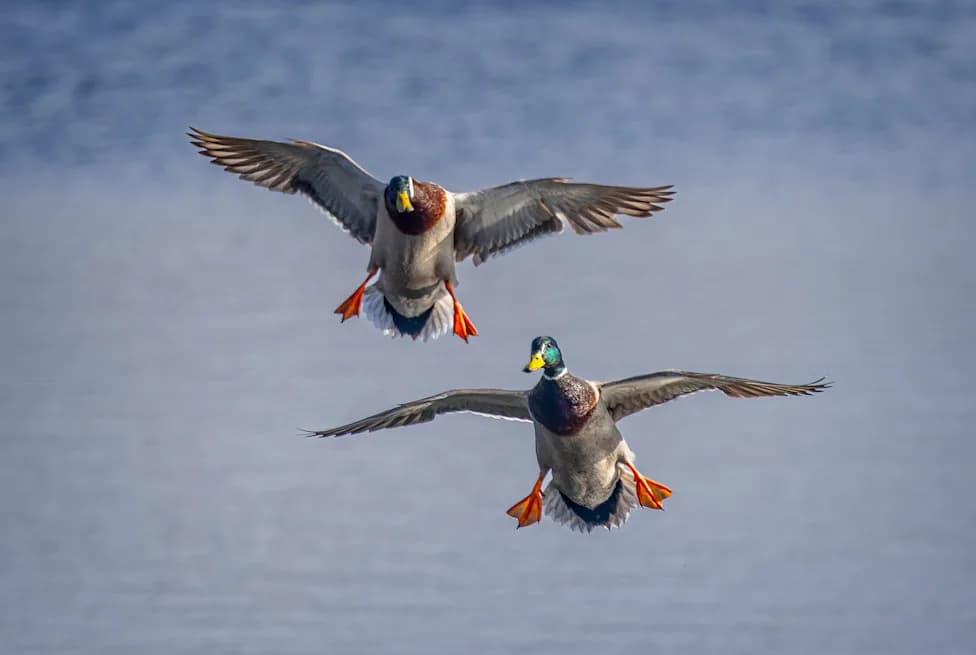
Every morning at 9 a.m., Vergenoegd Low Wine Estate near Stellenbosch, outside Cape Town, releases nearly 1,000 Indian Runner ducks to patrol the grounds and vineyards, eating aphids, worms, snails and other pests as an alternative to chemical sprays.
Natural Pest Control and Soil Health
Rather than relying heavily on synthetic pesticides, the estate uses the ducks as part of a broader regenerative approach. The birds feed across the property for part of each day and move into the vines where needed, reducing pressure from common vineyard pests and helping protect beneficial insects.
“Using the ducks instead of pesticides is obviously better for the ecology,” farm manager Christiaan Cloete told AFP.
The estate also integrates livestock into its system: about 220 sheep and nearly 100 cattle graze among the vines, and their manure is worked back into the soil as a natural source of nutrients rather than relying solely on artificial fertilizers. Over time, these practices aim to improve soil structure, boost resilience and support healthier harvests.
Origins, Scale and Management
Indian Runner ducks were originally bred in Indonesia to control pests in rice paddies; their long necks make them especially effective at reaching pests on raised, trellised grapevines. Vergenoegd Low has used ducks for roughly 40 years and currently keeps around 890 birds. The estate expects about 400 hatchlings this breeding season (mid-July through the end of October), with roughly half likely to be sold and the rest retained to renew the flock.
When grapes are fruiting and vulnerable to pecking, the ducks are temporarily moved to four irrigation dams. According to the estate’s ecology ranger, Milan Germishuizen, their droppings help enrich water and surrounding soil in a process he describes as “fertigation.”
“The more pesticides and artificial fertilisers you put onto your soil, eventually your soil will degenerate,” Germishuizen said. “So by using natural methods ... we are really looking after our soils, which eventually does give us a much better product at the end of the day.”
Community, Scale-Up and Tourism
The estate breeds ducks not only to sustain its own flock but also to sell to neighboring farms—AFP reports five to ten nearby farms now purchase ducks from Vergenoegd as interest in regenerative farming grows. The daily “duck run” has become an attraction for visitors: Tessa Kleynhans, commercial manager of the estate hotel, says the program demonstrates how upfront investment in sustainable practices can pay off both ecologically and commercially.
While the ducks do not eliminate all pest-management needs, the program illustrates a practical, low-chemical strategy that supports biodiversity, improves soil health and offers an engaging example of nature-based farming for both small and larger-scale operations.
Source: AFP reporting from Vergenoegd Low Wine Estate, Stellenbosch.
Help us improve.