Mali marked its independence amid escalating violence and severe disruptions to supply routes. Coordinated attacks by JNIM and the Tuareg-led FLA — including a September 10 strike on an army camp and a major April offensive that killed Defence Minister Sadio Camara — exposed gaps in state control. Fuel-blockade tactics since September 2025 caused shortages in Bamako, while Mali’s pivot toward Russia and withdrawal from ECOWAS and the ICC complicate prospects for stability. More than 400,000 people were internally displaced by June, and rights groups report abuses by multiple parties.
Mali’s Independence Marred by Escalating Violence and Supply-Route Attacks
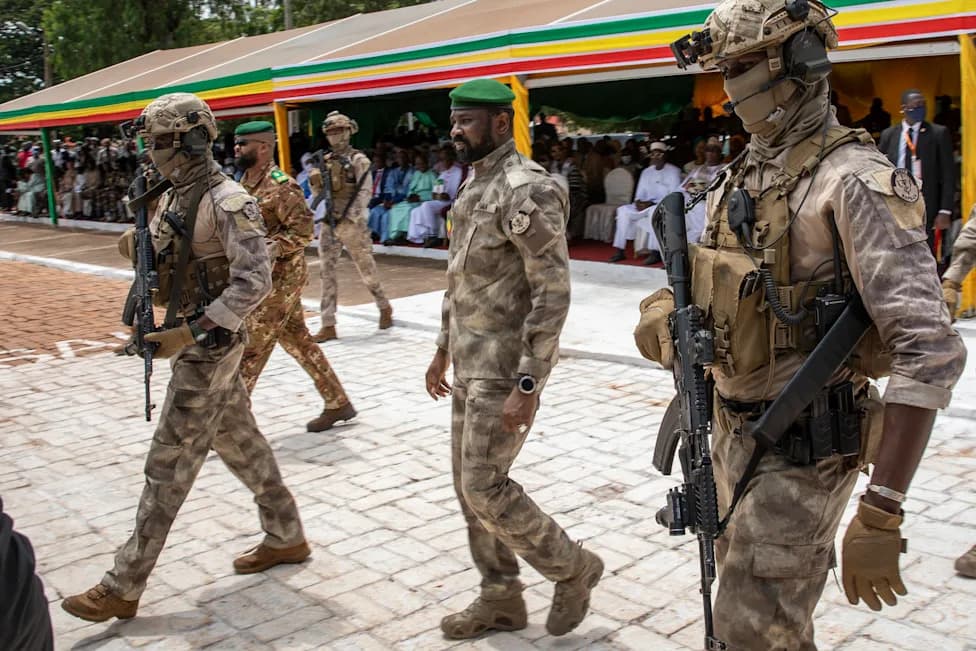
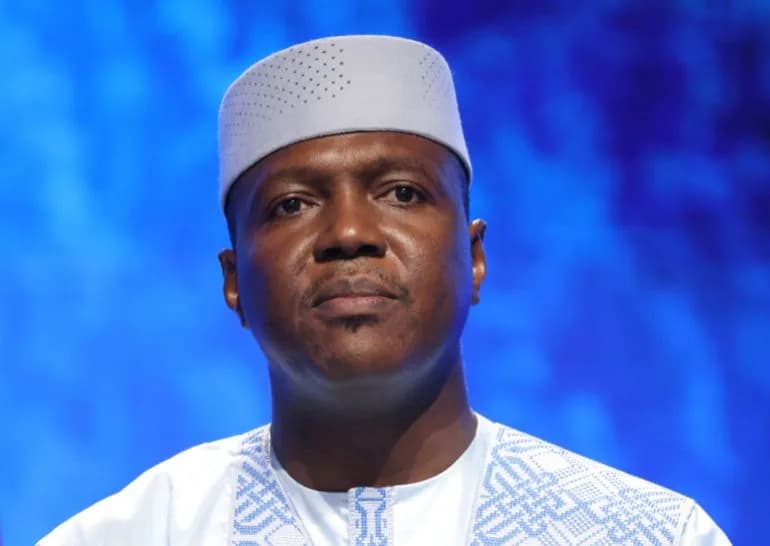
Mali's leader Assimi Goita attends an Independence Day military parade in Bamako, Mali [File photo/AP]
Bamako, Mali — As Mali marked its independence, the country faced a worsening security crisis that has exposed serious vulnerabilities in government control and supply lines to the capital. Coordinated actions by Islamist and Tuareg separatist groups, sustained attacks on fuel convoys, and shifting international partnerships have combined to deepen instability across the country.
Recent Attacks and Supply-Route Disruption
On September 10, less than two weeks before Mali’s independence anniversary, the Al Qaeda-affiliated group Jama'at Nusrat al-Islam wal-Muslimeen (JNIM) attacked an army camp in Dioura, central Mali. The strike followed a major April offensive in which JNIM and the Tuareg-led Azawad Liberation Front (FLA) coordinated assaults on military bases and strategic sites in Bamako, Kati, Mopti, Gao and Kidal. Those April attacks included the killing of Defence Minister Sadio Camara and highlighted gaps in the government's capacity to protect territory.
Since September 2025, JNIM has increasingly targeted fuel tankers and the highways that bring fuel into Bamako from Senegal and the Ivory Coast. The resulting shortages disrupted electricity supplies and schooling in the capital. On September 14 the Malian government reported that more than 900 fuel tankers entered Bamako under military escort — a reminder of how fragile these supply routes have become.
Alliances and Armed Coordination
Northern Mali has long been the center of Tuareg demands for autonomy, but what has changed is the degree of tactical cooperation between the FLA and JNIM. Analysts warn that this pragmatic coordination — despite divergent long-term goals, with JNIM motivated by Islamist objectives and the FLA by Tuareg nationalism — significantly complicates efforts by the ruling military government to consolidate control.
Beverly Ochieng, senior analyst at Control Risks: “The alliance between JNIM and FLA poses a threat to the government's consolidation of national territory. Periodic confrontations will continue to undermine a political settlement.”
Ochieng also cautioned that both the military government and armed groups may harden their positions, reducing the prospects for a negotiated peace in the near term.
Shifting International Alignments
Since the 2020 coup, Mali’s junta has sought new security partners while stepping away from some regional and international institutions. In January 2025 Mali, Burkina Faso and Niger formalized their exit from ECOWAS, and Mali has announced a withdrawal from the International Criminal Court (ICC), a process that began in June and will take effect over a year. Observers, including Human Rights Watch, have expressed concern that these moves could limit victims’ access to regional legal remedies.
At the same time, Mali has deepened its military ties with Russia. The Wagner Group’s previous role has been replaced by Russia’s Africa Corps, which operates under the Russian defence ministry. Scholars warn that this realignment looks like a switch of security partners rather than a neutral assertion of sovereignty, complicating Mali’s international posture and domestic accountability.
Humanitarian Impact and Regional Spillover
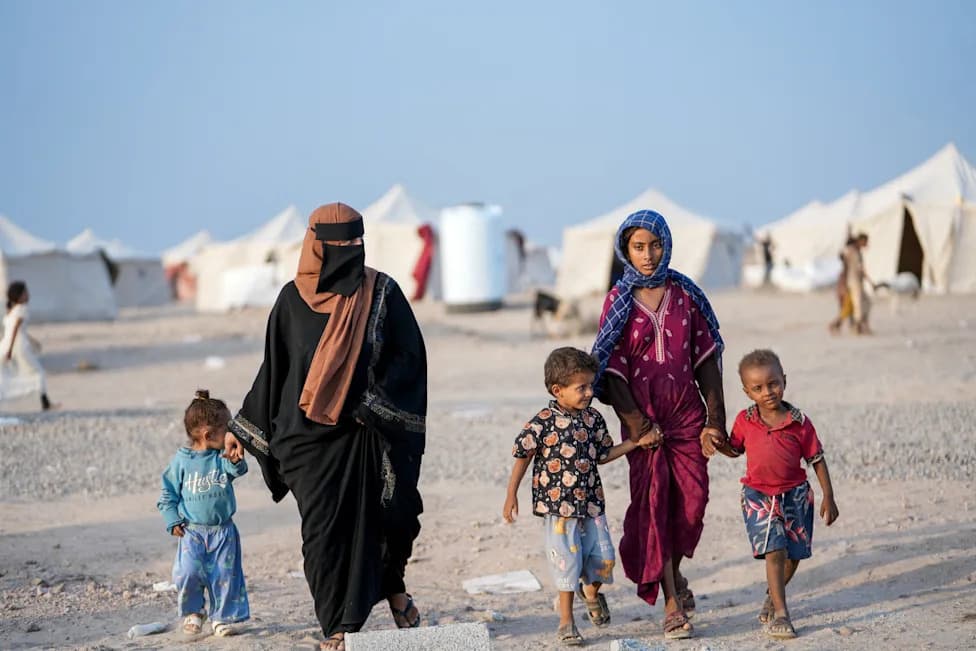
The deterioration in security has had a heavy humanitarian toll. By June the UNHCR estimated more than 400,000 people were internally displaced in Mali, concentrated in regions such as Gao, Mopti, Menaka and Timbuktu. The International Organization for Migration (IOM) continues to identify large displacement sites and new arrivals, particularly around Mopti.
Farming and pastoral communities are suffering from insecurity, resource competition and interrupted services. Rights groups, including Human Rights Watch, have documented abuses by armed groups, Malian forces and allied Russian fighters since the fighting intensified in April, underscoring the complex protection challenges civilians face.
The crisis is also regional. The Alliance of Sahel States (AES) has created a joint security framework, but each member state faces its own armed conflicts. In Niger, for example, JNIM and Islamic State-affiliated groups are competing and clashing, while instability places pressure on neighboring Benin and Togo.
Outlook
The government has managed to restore fuel deliveries to Bamako, but the ability of armed groups to strike convoys and military positions demonstrates that critical vulnerabilities remain. For residents of the capital, the independence anniversary brought anxiety rather than celebration.
“We want to celebrate Independence Day, but there is a lot of anxiety this year. The attacks on the army camp in Dioura have reminded everyone that the security situation is still very fragile,” a Bamako resident said on condition of anonymity.
Absent progress toward inclusive political dialogue, improved protection of supply routes and clearer accountability mechanisms, Mali’s security situation is likely to remain fragile, with persistent risks of further humanitarian deterioration and regional spillover.
Help us improve.