The CPS has charged 65-year-old Dr Vincent Brown (formerly Dr Vincent Bajinya) in what officials say is the UK's first prosecution linked to the 1994 Rwandan genocide. He faces one count ancillary to genocide and six counts ancillary to murder as crimes against humanity and is due at Westminster Magistrates' Court. The charges follow a War Crimes Team investigation opened in 2019 and a CPS review of the evidence. Authorities stress the allegations will be tested in court and say the case shows the UK is not a safe haven for suspects of international crimes.
UK Brings First Criminal Charges Over 1994 Rwandan Genocide — North London Man Accused

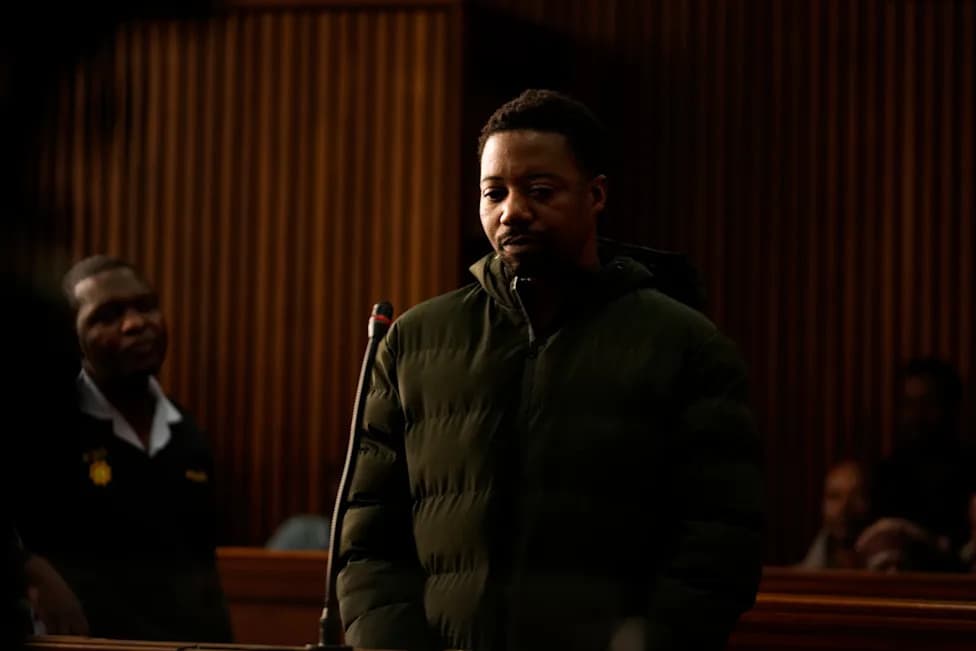
Two in court charged with murder over Armadale shooting
The Crown Prosecution Service (CPS) has charged a Rwandan man living in north London in what officials say is the first UK prosecution connected to the 1994 Rwandan genocide.
Defendant and Charges
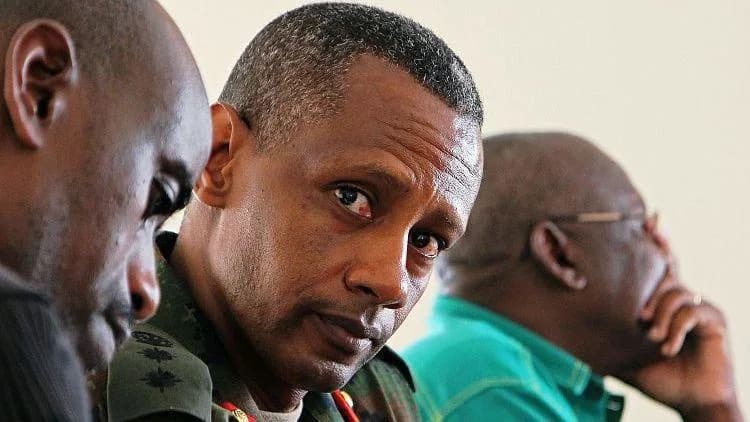
Dr Vincent Brown (also previously known as Dr Vincent Bajinya), 65, has been charged with one offence of conduct ancillary to genocide and six offences of conduct ancillary to murder as crimes against humanity. Authorities say he is alleged to have directed and incited others to carry out acts of murder and genocide.
Court Appearance
Brown is due to appear at Westminster Magistrates' Court on Tuesday. Prosecutors emphasise that the charges are allegations and that the court will determine the facts in due course.
Investigation Background
The Metropolitan Police War Crimes Team opened its inquiry in September 2019 after receiving a formal request from the Rwandan government to investigate killings in the Rugenge district of Kigali in April 1994. Frank Ferguson, head of the CPS's Special Crime and Counter Terrorism Division, said the CPS reviewed a file of evidence submitted by the War Crimes Team and concluded the legal test for charges had been met.
"We concluded that our legal test for bringing criminal charges had been met,"
The Metropolitan Police described the case as the result of a "complex and extensive seven-year investigation." Commander Helen Flanagan, head of Counter Terrorism Policing London, said the case demonstrates the UK will not be a safe haven for individuals suspected of committing international crimes.
Context
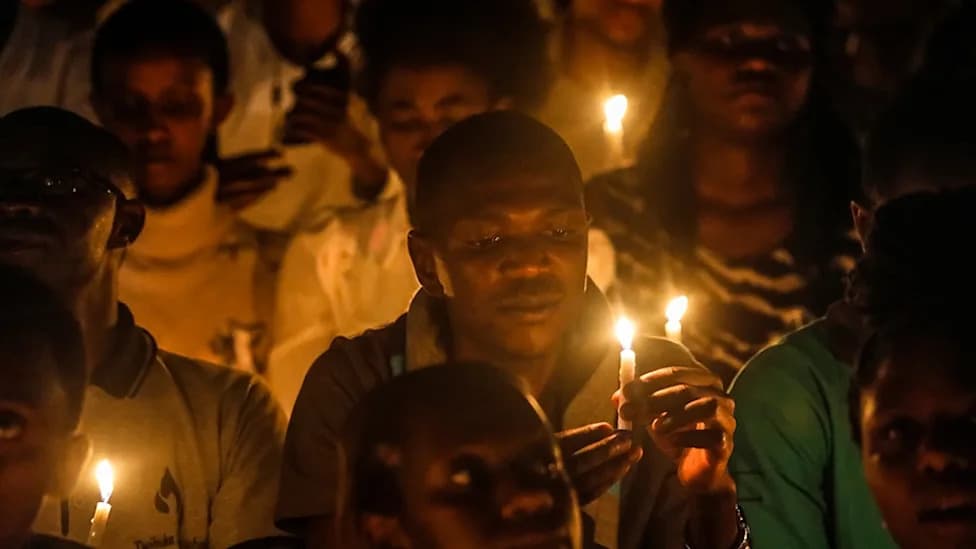
During roughly 100 days in 1994, an estimated 800,000 people — mainly ethnic Tutsis and politically moderate Hutus — were killed in Rwanda by Hutu extremists. The attacks targeted the Tutsi minority and political opponents regardless of ethnic origin. In the aftermath, forces that took power were also accused of retaliatory killings of Hutu people.
Ongoing Work
Police and prosecutors said other investigations remain ongoing into individuals in the UK suspected of involvement in the Rwandan genocide and related atrocity crimes. The War Crimes Teams say they remain committed to holding those suspected of international crimes accountable through due legal process.
Help us improve.