New research in AGU Advances models how extreme geomagnetic storms could damage the U.S. power grid and economy. A 1‑in‑250‑year event could cut electricity to up to 5 million people and cost about $1.81 billion per day; a 100‑year event would still affect millions and cost roughly $1.22 billion daily. The paper links space‑weather physics, grid engineering, and economics, validates its approach with Tennessee Valley Authority data from the 2024 Gannon storm, and calls for better forecasting, grid investments, and study of cascading and compound disasters.
Extremely Rare Solar Storm Could Cut Power to Millions and Cost $1.8B a Day, New U.S. Study Warns

Photo Credit: iStock
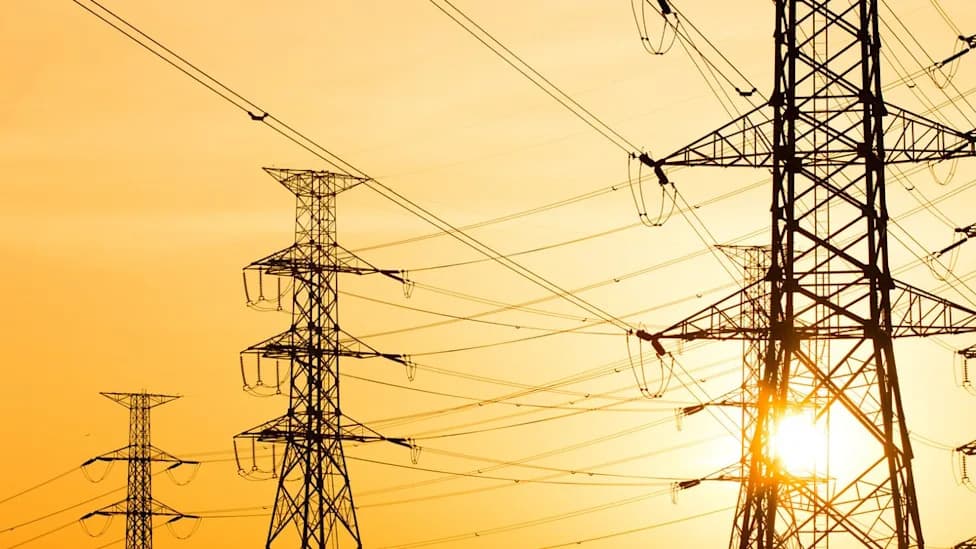
New research published in AGU Advances models how extreme geomagnetic storms could cascade through the U.S. power system and inflict large economic losses. The integrated framework links space‑weather physics to grid engineering and economic impacts to estimate damage under storms of varying severity.
Key Findings
- 1-in-250‑year storm: Could cut electricity to up to 5 million people, affect more than 135,000 businesses, and cause roughly $1.81 billion in economic losses per day.
- 1-in-100‑year storm: Would still be severe—an estimated 3.5 million people and 91,000 businesses could lose power, producing about $1.22 billion in daily losses.
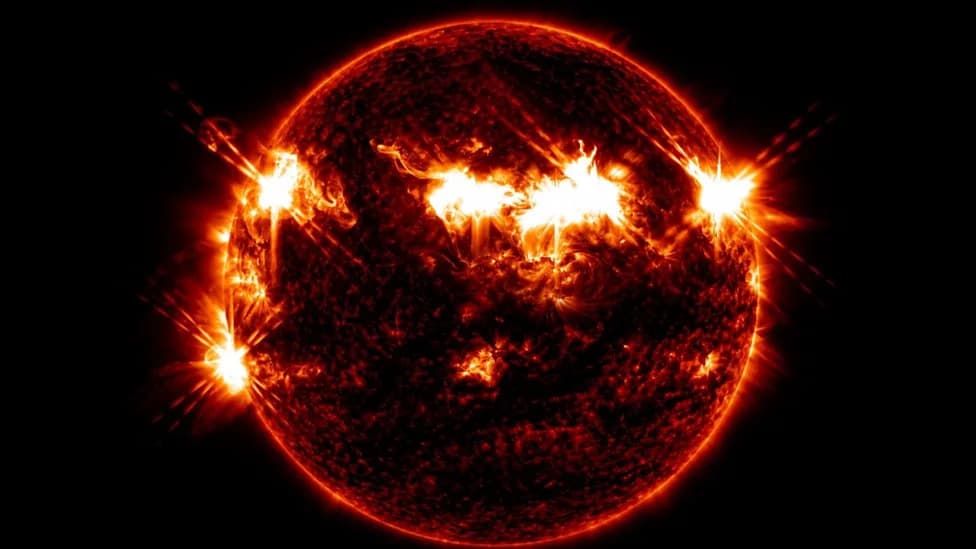
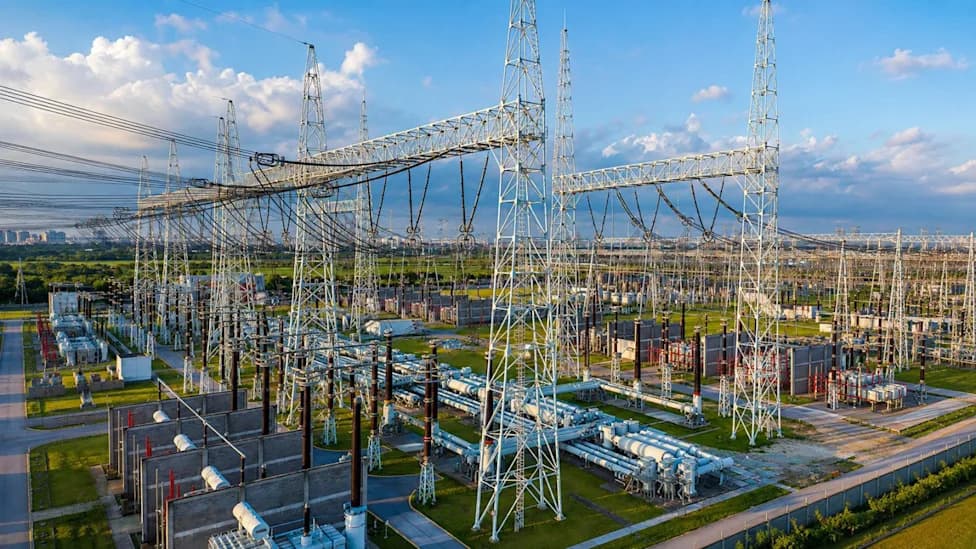
- Physical mechanism: Coronal mass ejections eject plasma and magnetic fields from the Sun; when they interact with Earth's magnetic environment they induce geoelectric fields and geomagnetically induced currents (GICs) that can flow through extra‑high‑voltage transformers and transmission lines.
- Validation: The study compared simulated substation impacts with measurements from the Tennessee Valley Authority during the 2024 Gannon storm to test its methods.
Why This Matters
Extended outages from an extreme geomagnetic storm would disrupt refrigeration, heating and cooling, internet and telecom services, medical devices, fuel distribution, and many routine business operations. The research highlights geographical and equipment vulnerabilities and identifies where investments and operational changes could reduce risk.
Recommendations
- Improve space‑weather forecasting and situational awareness so grid operators can take preventive actions and avoid misinterpreting early warning signals.
- Invest in transformer hardening, operational protocols, and strategic grid upgrades to limit GIC exposure.
- Study cascading failures and compound‑disaster scenarios (for example, a geomagnetic storm occurring during a heat wave or hurricane) to better prepare for complex emergencies.
“Many of the same vulnerabilities that make the grid costly to a geomagnetic storm—aging equipment, weather exposure, and uneven regional resilience—also affect more familiar threats. Addressing them improves resilience across the board.”
Context
Space weather is a recognized but still under‑quantified risk. The study places geomagnetic storms within the broader resilience challenges facing U.S. electricity systems and underscores overlap with other hazards, such as hurricanes that can strain solar generation and damage distribution infrastructure.
Bottom line: An extreme but plausible solar storm could inflict multi‑billion‑dollar daily economic losses and widespread outages; targeted forecasting, operational measures, and investments in grid resilience can substantially reduce that risk.
Help us improve.