The UK is facing a severe aphid outbreak that could destroy about 30% of the lettuce crop before mid‑autumn, with crisphead, romaine and iceberg varieties most at risk. Hot, dry weather has fuelled aphid surges across major growing regions, and rapid aphid reproduction makes breeding durable resistance difficult. Historic reliance on neonicotinoids ended after EU restrictions to protect pollinators, and trials of resistant varieties continue while EU and UK rules on novel crop technologies evolve. The drought has also shrunk potatoes and pumpkins and increased risk of bluetongue in livestock.
Aphid Surge Threatens to Wipe Out Nearly a Third of Britain’s Lettuce Crop
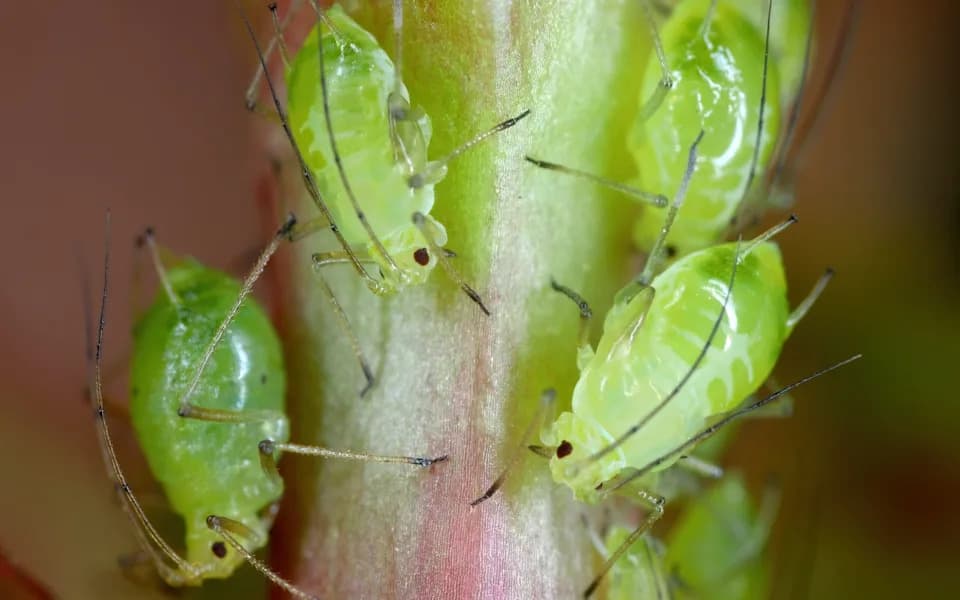
Aphids breed so quickly it is difficult to develop lettuces that are resistant to the insects - Tomasz Klejdysz/iStockphoto
British lettuce growers are confronting what many describe as the worst aphid infestation in a generation — an outbreak that could destroy around 30% of the country’s lettuce harvest before the season ends in mid‑autumn, the British Leafy Salads Association (BLSA) warns.
Warm, dry weather through the summer created ideal conditions for aphids to multiply across every major lettuce‑growing region, including the Midlands, the North West, South East England and East Anglia. Growers say crisphead, romaine and iceberg varieties are at greatest risk, and pale green lettuces appear more vulnerable than purple‑leaf types.
“There have been extremely high levels of the currant‑lettuce aphid, presenting a serious challenge for growers and affecting commercially significant volumes of lettuce crop. The pattern of the aphids' growth is a peak in late June and again in August and September,” a BLSA spokesman said.
One East Anglia grower estimated a loss of roughly three million heads of lettuce this year — a hit he puts at about £1m — and described it as the worst infestation in 25 years. Aphids reproduce very rapidly and can even reproduce without mating, which makes breeding lettuce varieties with lasting resistance particularly difficult.
Britain consumes about 200,000 tonnes of lettuce a year, roughly half of which is imported. This year’s infestation is not limited to the UK: growers across Europe have reported elevated aphid pressure.
Control Challenges and Research
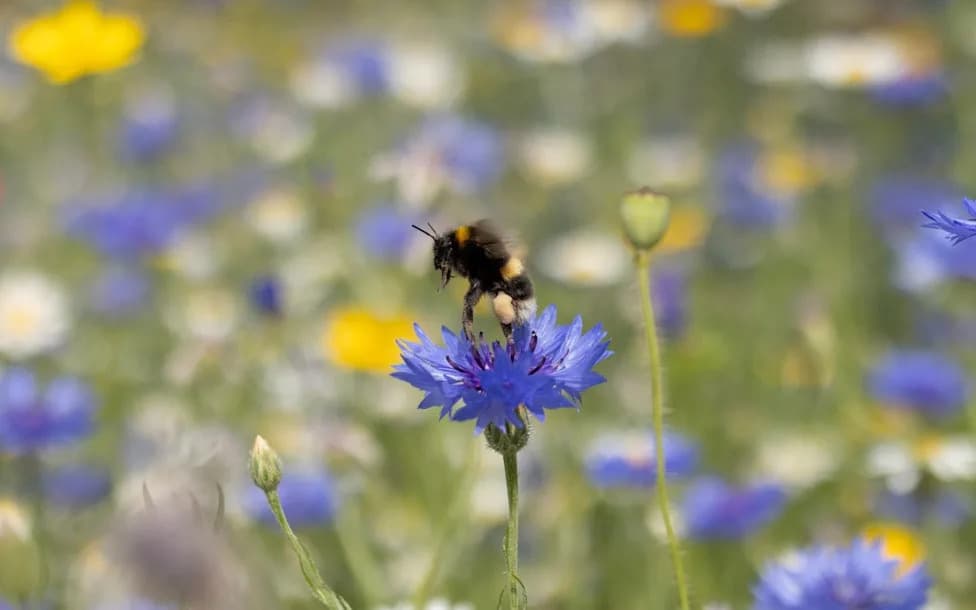
In the past, farmers relied on neonicotinoid insecticides to control aphid outbreaks. Those products were largely restricted under EU rules because of their documented harm to pollinators such as honey bees. The BLSA says plant‑breeding trials to develop aphid‑resistant lettuce varieties are under way, but researchers face the twin challenges of fast‑evolving aphid populations and the insects’ high reproductive rate.
Policy and trade considerations add complication: Britain’s regulatory stance on gene‑modified or gene‑edited crops differs from previous EU positions, and upcoming changes in the EU regulatory framework — scheduled to be aligned more closely with the UK from 2028 — could affect future exports of novel crop varieties.
Broader Agricultural Impacts
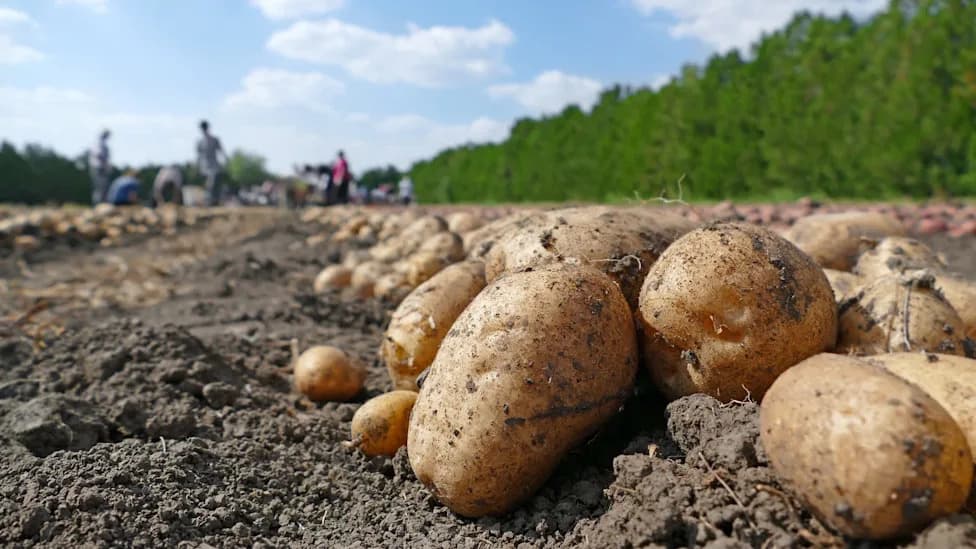
Beyond lettuces, the hot, dry summer has reduced the size of other crops such as potatoes and pumpkins. The same conditions also favoured midges that can carry bluetongue virus, a disease that causes fever, death and infertility in cattle and sheep, raising additional concerns for livestock farmers.
Growers, industry groups and researchers are calling for coordinated responses that combine improved monitoring, practical on‑farm management, continued breeding work, and sensible regulatory pathways for new crop‑protection and breeding technologies.
Help us improve.