Denise Cosco, a state witness who testified against her father and an associate in the 2009 murder of her mother, has died after falling from her Rome apartment at age 35. Prosecutors are investigating whether organised-crime actors may have "incited" an apparent suicide and have seized her electronic devices as part of the inquiry. Both Denise and her mother spent years in Italy's witness protection programme and later criticised the state's support. The case has renewed debate over the effectiveness and safety of witness protection for collaborators against organised crime.
Denise Cosco, Mafia State Witness, Found Dead in Rome — Prosecutors Probe Possible Link to Mother's Murder
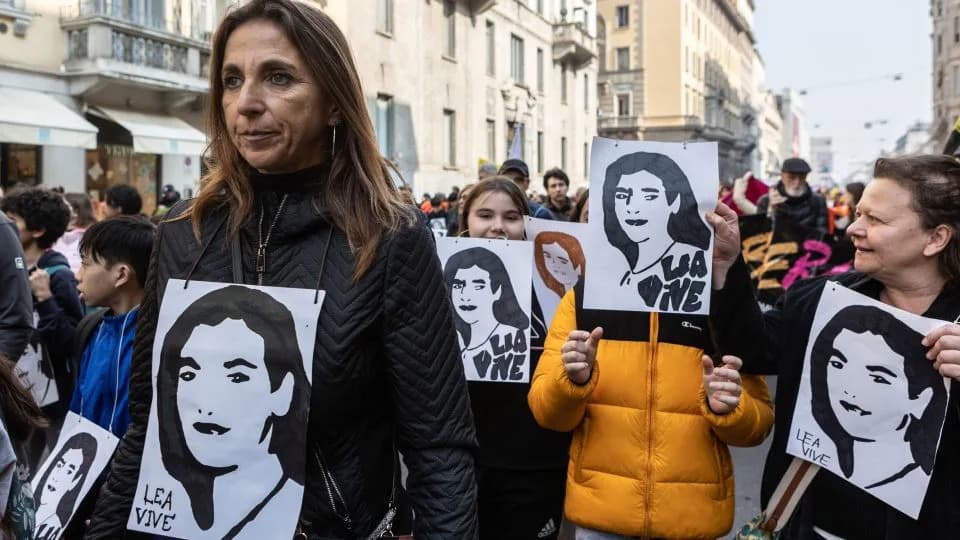
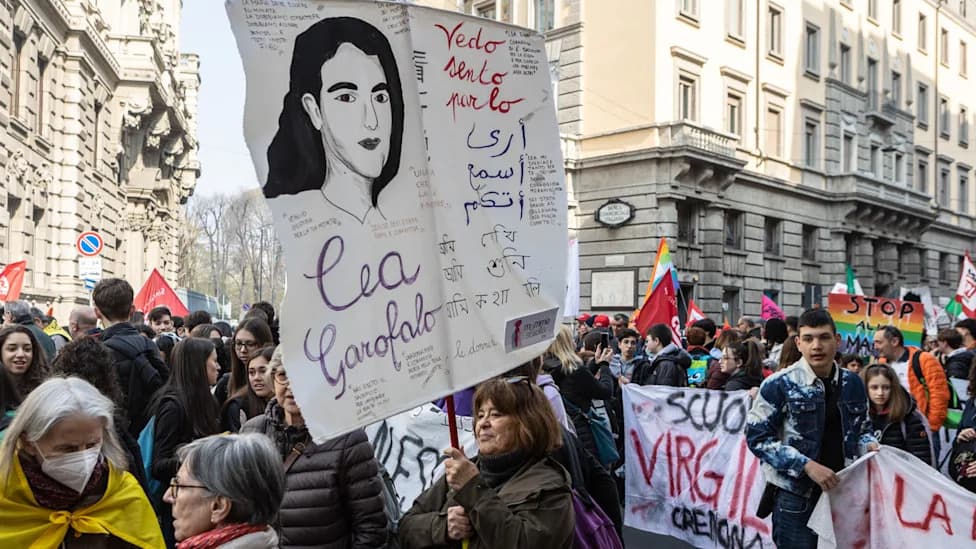
In a March 2023 photo, people bear placards with the portrait of Lea Garofalo, an Italian justice collaborator and victim of the 'Ndrangheta crime syndicate. - Emanuele Cremaschi/Getty Images
Denise Cosco, a long-time state witness who testified against her father and a former partner in the 2009 killing of her mother, has died after falling from her Rome apartment. She was 35. Authorities are investigating whether the crime syndicate that killed her mother may have played a role by "inciting" an apparent suicide; no suicide note was found.
Background
Cosco spent years in Italy's witness protection programme after she testified about the abduction, torture, dismemberment and murder of her mother, Lea Garofalo, in 2009. Garofalo's remains were later identified by a necklace and recovered after one of the convicted men, Carmine Venturino, admitted his role and revealed the hiding place. Both Venturino and Denise's father, Carlo, were sentenced to life in prison; Venturino's term was later reduced.
Investigation Under Way
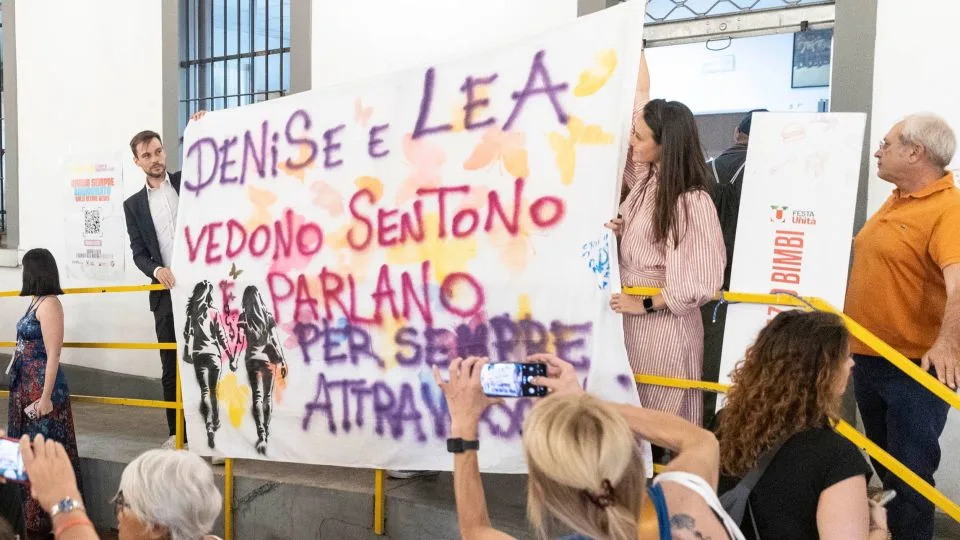
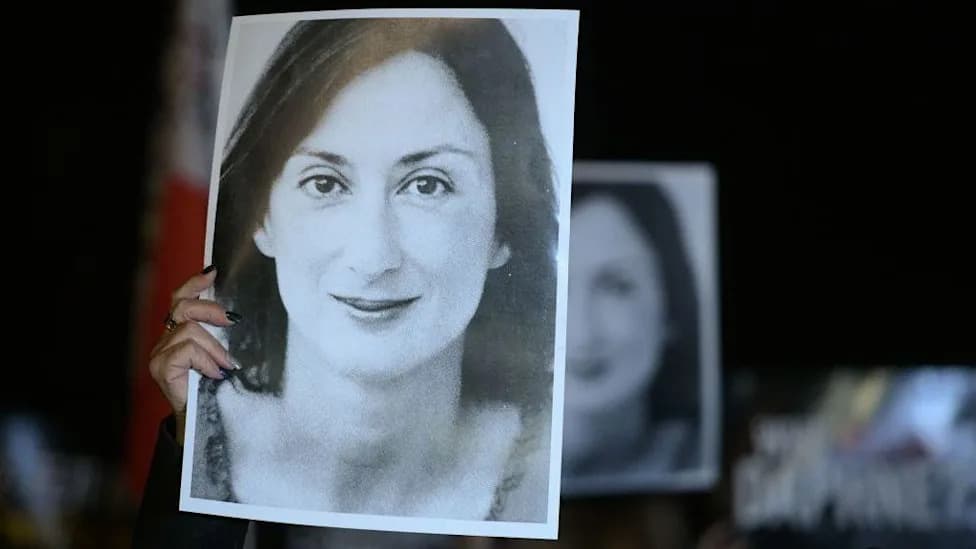
People hold a banner in memory of Denise Cosco and Lea Garofalo in Milan, Italy, on September 12. - Francesco Enriquez/IPA Agency/Sipa USA
Cosco fell from a window of the apartment she shared with her husband and four-year-old son and died after four days in hospital on September 10. Her husband, who was at home at the time, has been questioned but is not considered a suspect. Prosecutors have opened a criminal inquiry, seized Cosco's phones and electronic devices and are examining whether she had received threats linked to her mother's murder or to other organised-crime actors.
Witness Protection Questions
The case has reignited debate in Italy about the safety and support available to those who collaborate with authorities against mafia organisations. Italy's Interior Ministry says roughly 6,000 people are enrolled in the witness protection programme, which provides a new identity, housing, work assistance and a corroboratable life story. But beneficiaries typically receive limited financial support and often report persistent fear and insecurity.
Anti-mafia prosecutor Alessandra Cerreti told CNN that investigators have 180 days under the law to vet potential collaborators and that protection status is reviewed every four years. Cerreti and other prosecutors warned that short vetting windows, tight budgets and a lack of immediate corroboration make protecting new witnesses especially difficult.
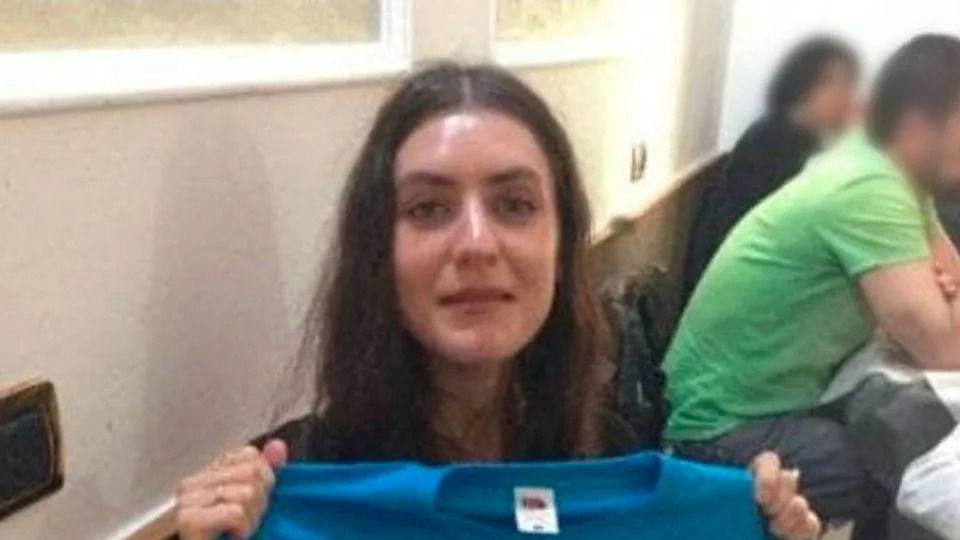
Denise Cosco holds up a T-shirt bearing her late mother's name, in a family photo posted online after her death. - Agenzia Fotogramma/IPA Agency/Sipa USA
Voices and Reactions
Cosco's lawyer, Enza Rando, who helped secure testimony against Cosco's father and Venturino, criticised the state for insufficient protection and support. "The mafia kills in many ways. It kills by creating true monsters in the lives of those left behind," Rando said. Naples public prosecutor Nicola Gratteri called Cosco's death a setback that could deter others from testifying.
Relatives have continued to memorialise both Denise and Lea. At her mother's funeral in 2013, a 22-year-old Denise spoke behind bulletproof glass to thank her mother for giving her strength. After Denise's death, her aunt posted a photo of her holding a T-shirt bearing Lea's name and wrote, "No one will be able to decide for you anymore, you will no longer have to hide."
What Happens Next
Investigators will continue forensic and digital forensics examinations of Cosco's devices and the scene. Prosecutors must determine whether the fall was suicide, the result of external pressure or influence, or had other causes. The case has once again put public attention on the personal cost for those who break the code of silence that protects Italy's organised-crime networks.
Help us improve.