Graduate student Joshita Majumdar underwent 104 MRI sessions over 76 weeks while watching curated Friends clips and a Bollywood music video to provide naturalistic emotional stimuli. She tracked sleep with a ring and logged food, enabling researchers to pair nightly sleep metrics with next-day brain chemistry. Early findings show nights with less deep sleep and more light sleep were followed by higher glutamate levels, suggesting impaired overnight restorative processes. The team plans to add participants and use AI to link emotions evoked during viewing to metabolic changes.
How Watching Friends Helped a Grad Student Endure 104 MRI Scans — And Revealed Sleep’s Link to Brain Chemistry
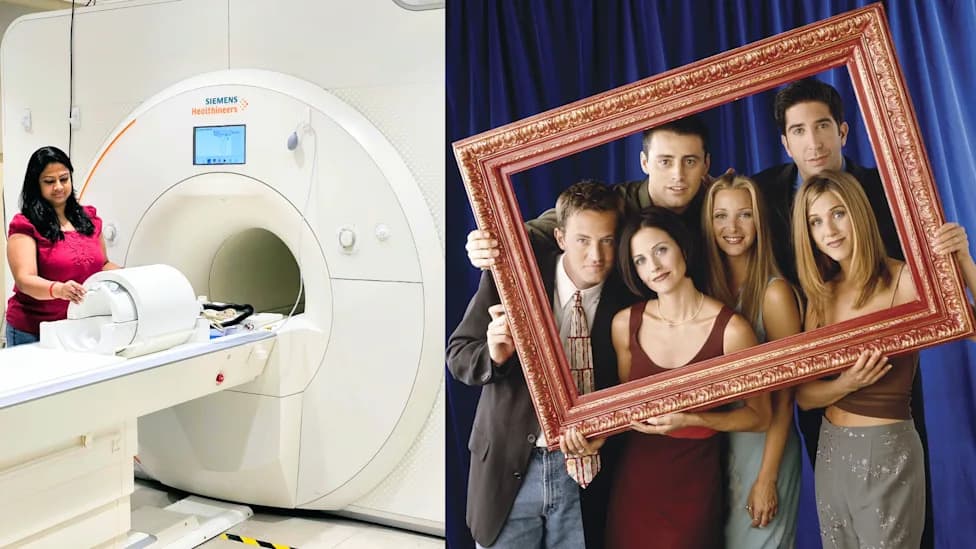
Joshita Majumdar before heading into the scanner (left). The cast of Friends (clockwise from the left): Matthew Perry as Chandler Bing, Matt Le Blanc as Joey Tribbiani, David Schwimmer as Ross Geller, Jennifer Aniston as Rachel Green, Lisa Kudrow as Phoebe Buffay, and Courteney Cox as Monica Geller (right).
Across 76 weeks, Auburn University graduate student Joshita Majumdar climbed into a 7-Tesla MRI scanner 104 times. To stay engaged during the noisy, 90-minute sessions, she watched curated clips from the sitcom Friends and a short Bollywood music video — and logged her sleep, diet, and daily routines. That combination of naturalistic stimuli and repeated brain scans allowed researchers to probe how ordinary fluctuations in sleep affect brain chemistry.
Study Design: Naturalistic, Longitudinal Scanning
Many sleep studies use artificial protocols such as forced sleep deprivation. This project took a different tack: it followed a single person living her everyday life and collected repeated magnetic resonance spectroscopy measurements to track metabolic markers across many sessions. The team purposely avoided making the experiment artificial — there was no fixed number of scans at the outset; instead, the researchers proceeded one session at a time to find a sustainable pace.
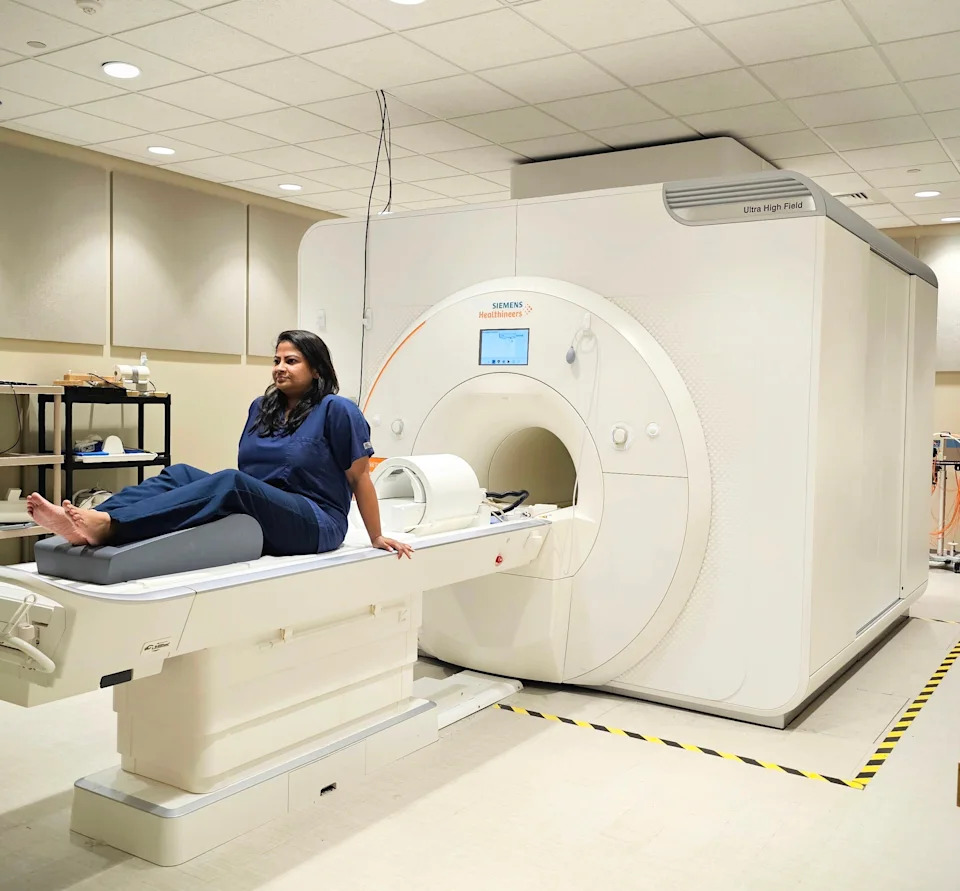
Over 76 weeks, Joshita Majumdar went into Auburn University's 7-Tesla MRI scanner 104 times.Image: Joshita Majumdar/Auburn University.
Stimuli and Routine
Majumdar prepared a loop of four 10-minute video compilations made from different Friends scenes chosen to span a range of emotions, from light comedy to nostalgic or sentimental moments. Each session also included a roughly four-minute music video for the song "Love You Zindagi" from the Bollywood film Dear Zindagi, selected for its themes of friendship and family and for the personal resonance it had for Majumdar as an international student.
She typically attended scans on Tuesdays and Thursdays around 7:30 p.m. to fit her schedule as a PhD student. To reduce dizziness, she left 90–120 minutes between eating and entering the scanner. Although 90-minute runs risked drowsiness, participants were asked to keep their eyes open for most of the time; that occasional sleepiness was embraced as part of the study's naturalistic goal.
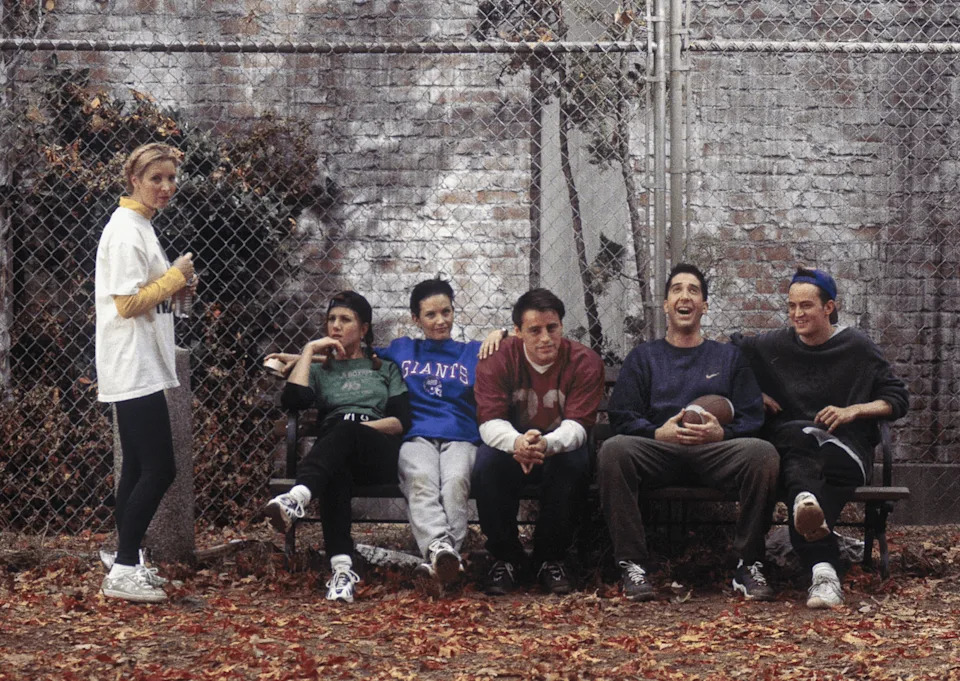
"The One with the Football" (Season 3, Episode 9) is one of 10 Thanksgiving episodes ofFriends. Pictured (left to right) Lisa Kudrow as Phoebe Buffay, Jennifer Aniston as Rachel Green, Courteney Cox Arquette as Monica Geller, Matt LeBlanc as Joey Tribbiani, David Schwimmer as Ross Geller, and Matthew Perry as Chandler Bing. The show ran from 1994 to 2004.Image: Gary Null/NBCU Photo Bank.
Data Collection
Alongside the scans, Majumdar wore a sleep-tracking ring and kept a food log. Researchers matched nightly sleep metrics with next-day brain chemistry, allowing comparisons across the full 104-session dataset. The neuroimaging methods focused on metabolic markers including glutamate, a primary excitatory neurotransmitter involved in many brain functions.
Key Finding
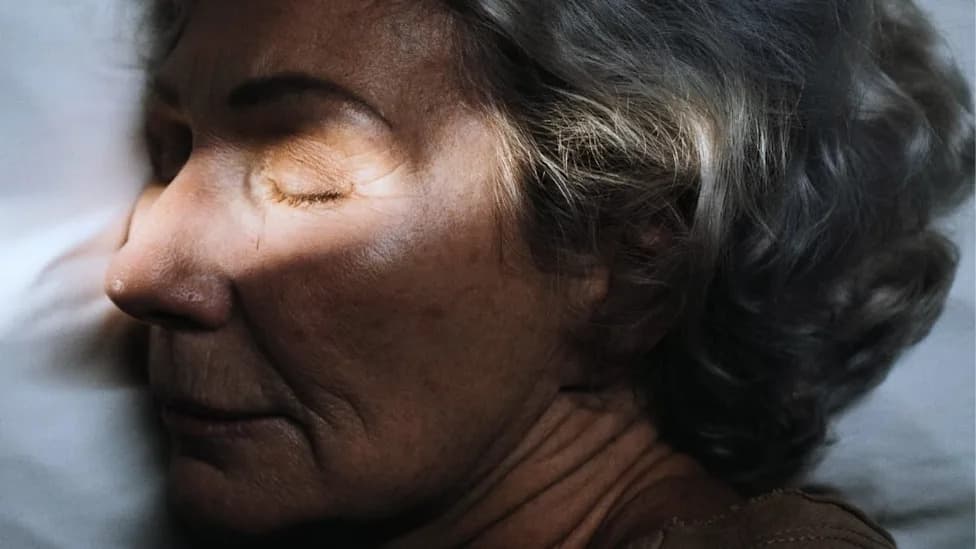
Early analyses revealed a consistent association: nights that contained less deep (slow-wave) sleep and a higher proportion of light sleep tended to be followed by higher glutamate levels the next day. The team hypothesizes this pattern may reflect less efficient overnight clearance of wakefulness byproducts when deep sleep is reduced, potentially impairing restorative processes.
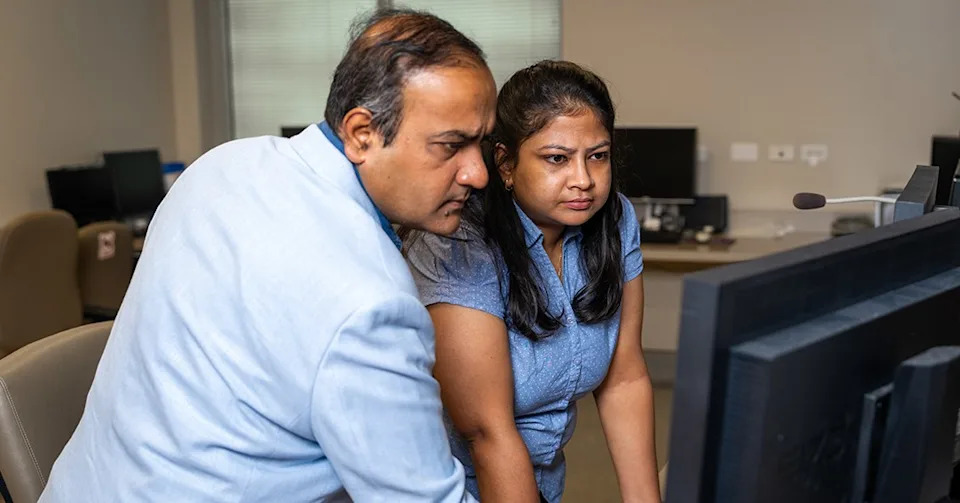
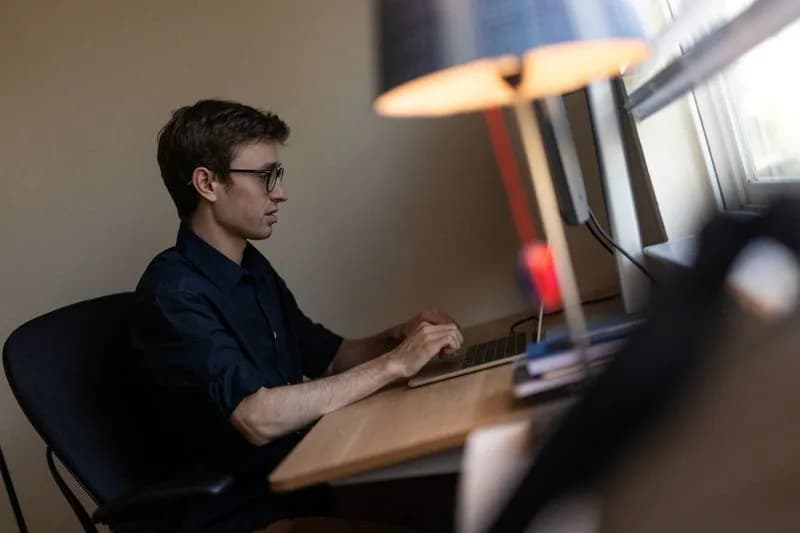
Joshita Majumdar (right) a graduate student in the Department of Electrical and Computer Engineering, and Gopikrishna Deshpande (left), the Godbold Professor in the Department of Electrical and Computer Engineering, used equipment at the Auburn University Neuroimaging Center, including the 7-Tesla MRI scanner, to study glutamate levels in the brain.Image: Auburn University.
"You wake up with a fresh mind," Majumdar said. "But if that process is blocked, it's going to hamper you the next day."
Next Steps
The project is ongoing. The researchers plan to recruit additional participants to broaden the dataset while reducing the per-participant scanning burden. They also hope to apply machine learning and AI tools to relate the subjective emotions evoked during particular clips (including specific Friends moments) to changes in brain chemistry, improving the mapping between feelings and metabolic states.
Personal Takeaway
Majumdar — who grew up in Kolkata, India, and moved to the U.S. in 2016 — says Friends helped her cope with homesickness and the monotony of repeated scans. Remarkably, after 18 months watching the show inside a rumbling MRI tube, she says she still enjoys it: "Yes, definitely," she told the research team when asked if she could still watch the sitcom and find it enjoyable.
Why this matters: The study demonstrates a feasible, naturalistic approach to linking everyday sleep variability with brain chemistry, complementing controlled sleep-deprivation research and offering a path toward richer, real-world biomarkers of sleep-related brain health.
Help us improve.