Pakistan and China have operationalised a joint boundary commission covering the Shaksgam Valley, prompting strong objections from India, which regards the territory as part of Ladakh. Islamabad and Beijing frame the step as practical cooperation to manage the frontier and protect CPEC-linked infrastructure. Analysts say the move largely institutionalises a mechanism from the 1963 pact rather than signalling an immediate military shift along the India–China Line of Actual Control.
Pakistan and China Operationalise Border Commission — Why India Is Alarmed
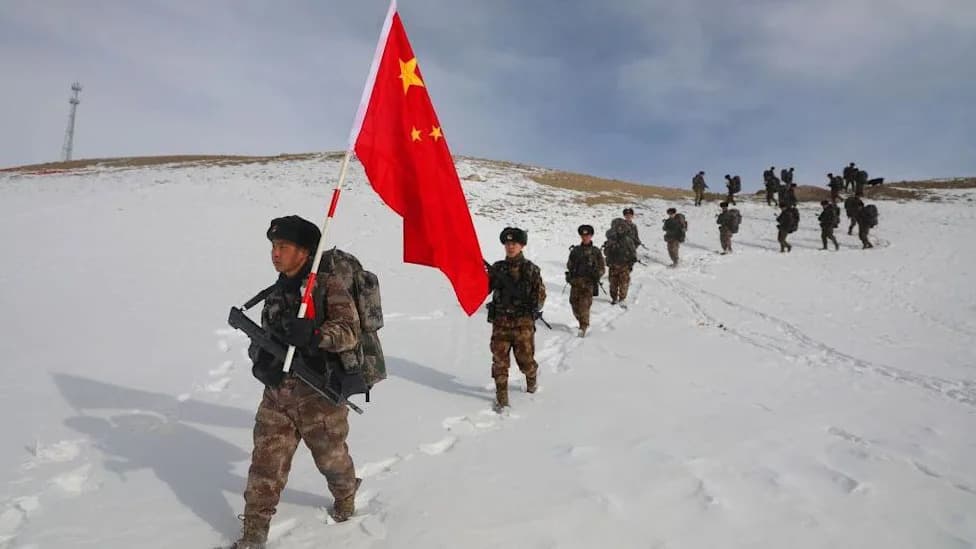
Chinese soldiers hold a field exercise in the snow near the Kunjerab Pass bordering Pakistan [Future Publishing via Getty Images]
Pakistan and China have formally activated a joint boundary commission covering the frontier between the two countries, including the Shaksgam Valley — a roughly 5,180 sq km tract Islamabad transferred to Beijing in 1963 but which New Delhi regards as part of Ladakh. The move has provoked a sharp rebuttal from India, which says the action has no legal standing for territory it claims.
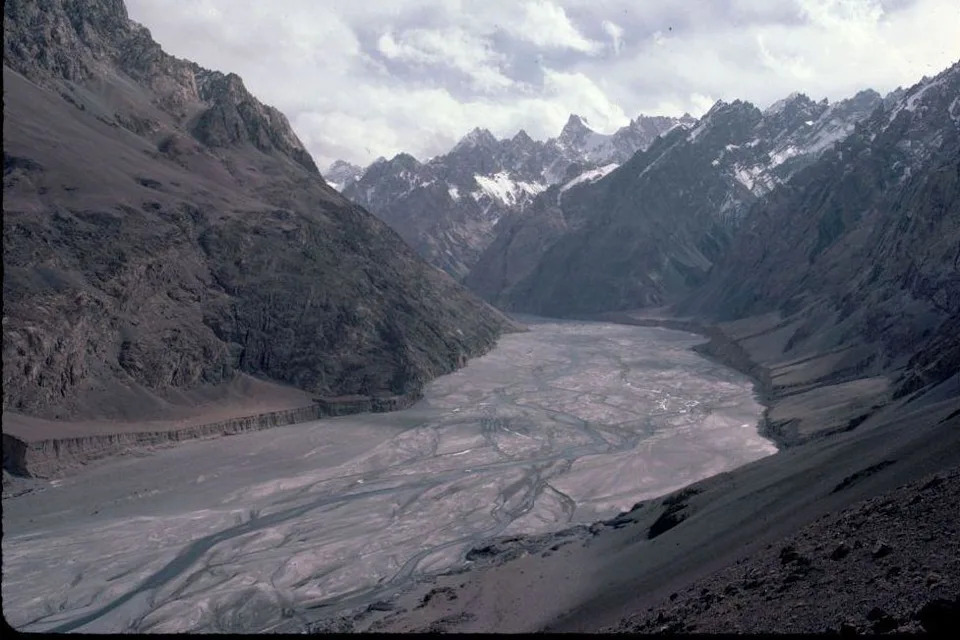
The commission concerns the Pakistan-China frontier, including the Shaksgam Valley [Corbis via Getty Images]
What Was Announced
Pakistan and China said they had put the Pakistan–China Boundary Joint Commission into operation. Islamabad called it a "significant milestone" to deepen cooperation on border management, joint surveys, trade and people-to-people links. Officials in both capitals framed the step as practical cooperation to manage the frontier and protect strategic infrastructure, including elements of the China–Pakistan Economic Corridor (CPEC).
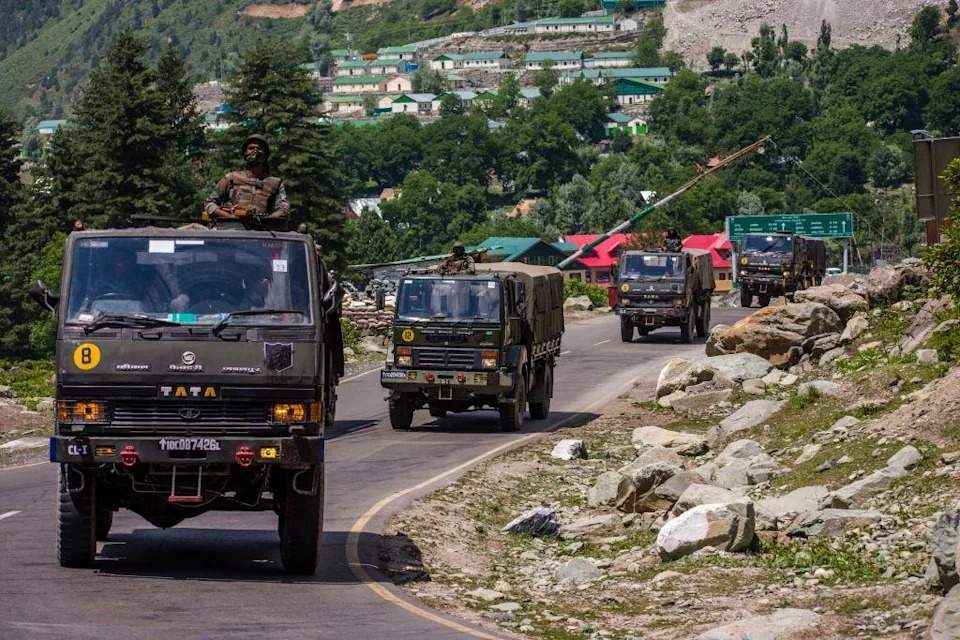
An Indian army convoy driving towards Leh on a highway bordering China [Getty Images]
India's Reaction
India strongly rejected the move. The Indian foreign ministry said:
"There is no boundary between Pakistan and China. We reject the so‑called Joint Commission, which is without any legal basis."New Delhi reiterated that it does not recognise any Pakistan–China boundary that includes territory India claims, and described Pakistan's authority to make arrangements over the area as lacking legal standing.
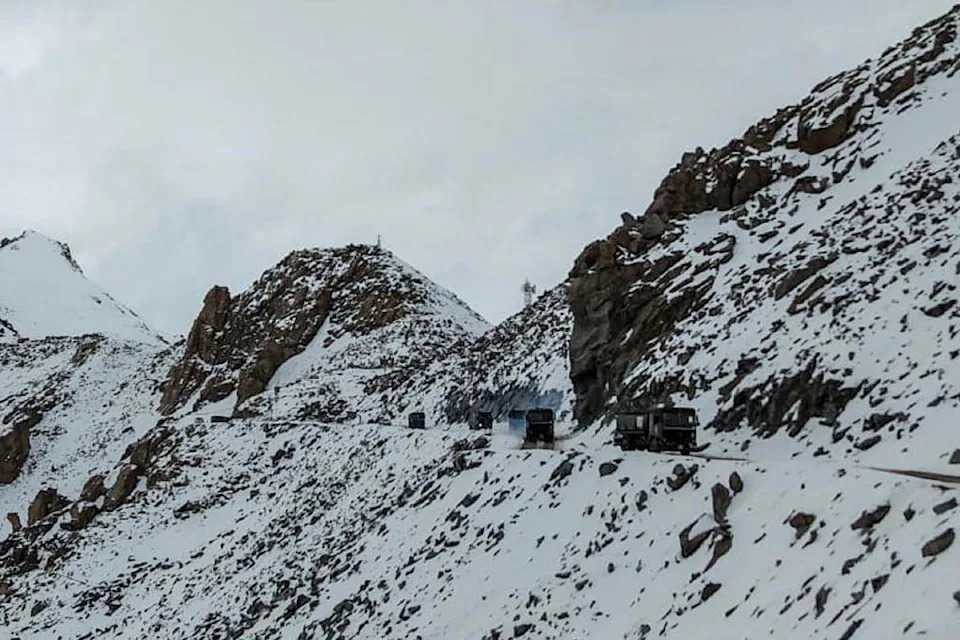
Indian Army vehicles drive on a road near a mountain pass in India's Ladakh region [AFP via Getty Images]
Historical Context
The 1963 agreement between Pakistan and China formalised a boundary in the Shaksgam area. India maintains the territory was part of the former princely state of Jammu and Kashmir, was occupied by Pakistan, and that the 1963 arrangement is illegal and void. Pakistan, by contrast, says Jammu and Kashmir remains disputed and therefore defends the 1963 pact as valid.
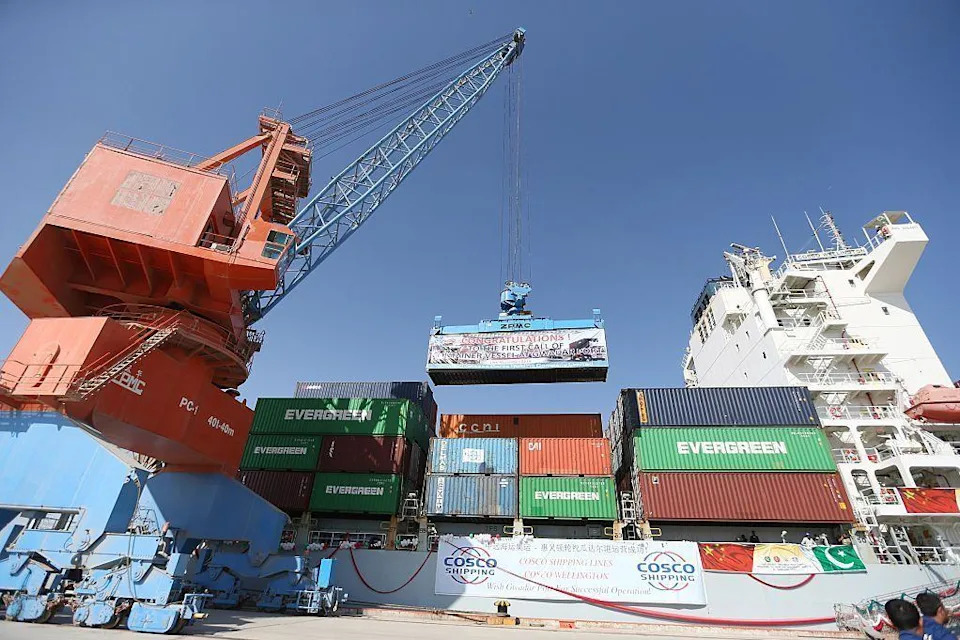
The Gwadar port, west of Karachi, is a key part of the China-Pakistan Economic Corridor [Anadolu Agency/Getty Images]
Expert Views and Strategic Signals
Analysts say the operationalisation is better understood as the revival and institutionalisation of a mechanism already provided for in the 1963 treaty rather than a sudden territorial change. Jabin T Jacob of Shiv Nadar University noted that the treaty explicitly envisaged renegotiation if the Kashmir dispute were resolved — a provision India cites when objecting to the commission.
Former Pakistani ambassador Husain Haqqani described the move as both "practical and political": aimed at better managing the frontier, preventing illegal crossings and protecting CPEC-related infrastructure, while also signalling to India that Beijing continues to favour a Pakistani framing of parts of Kashmir such as Gilgit‑Baltistan.
Implications
Experts caution there are no immediate, observable military changes along the Line of Actual Control (LAC) between India and China. Instead, the significance lies in the gradual institutionalisation of arrangements India has consistently rejected and in the geopolitical message the step sends: deepening China–Pakistan ties and reminding New Delhi of the strategic link between Beijing and Islamabad.
Bottom Line
The Pakistan–China boundary commission is unlikely to produce an immediate shift in the India–China frontline, but it formalises practical cooperation between Islamabad and Beijing and underscores the geopolitical calculations that drive South Asian border diplomacy. India maintains its objections and continues to regard the area as sovereign Indian territory.
Help us improve.