Telegram ads promising easy cash lured impoverished Ukrainian youths into sabotage, arson and bomb plots. Some attacks caused no injuries; others were intercepted. Authorities say at least 13 minors now serve sentences in Russia-related cases and more than 300 juveniles have been detained in related probes. Officials emphasize poverty and exploitation, while detention centers offer education and rehabilitation amid ongoing airstrike threats.
Recruited for 'Easy Money': How Telegram Ads Lured Ukrainian Teens Into Sabotage and Prison
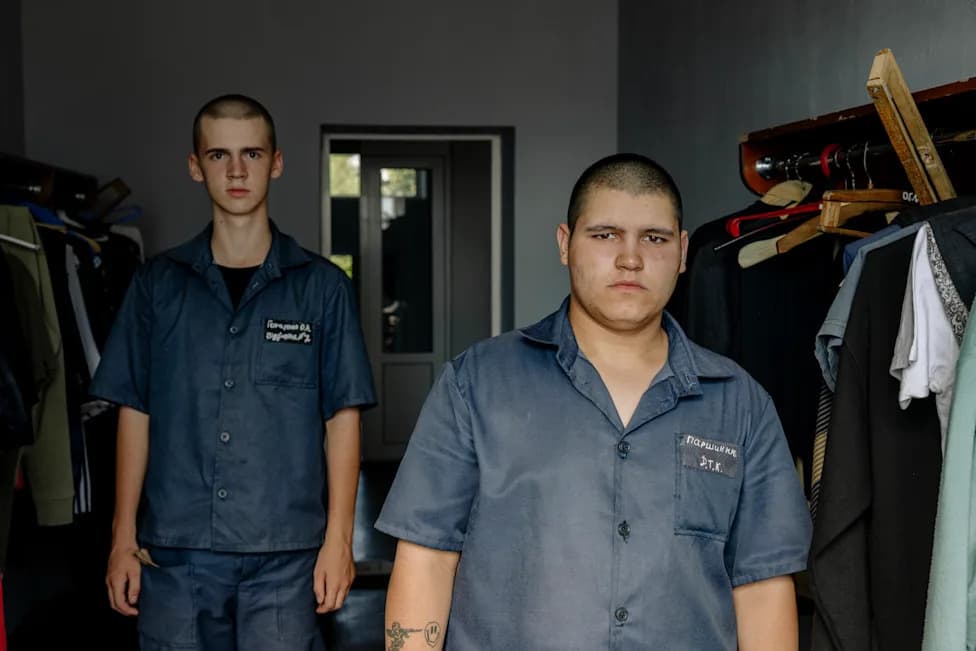
When 16-year-old Yaroslav Suzanskyi clicked a Telegram ad promising “easy money” of roughly $165, he thought it was a simple odd job. Instead, he was paid to set fire to a railway relay cabinet — one of several cases in which vulnerable Ukrainian youths were recruited online to carry out sabotage and, in some instances, plant explosives.
Young, Poor and Targeted
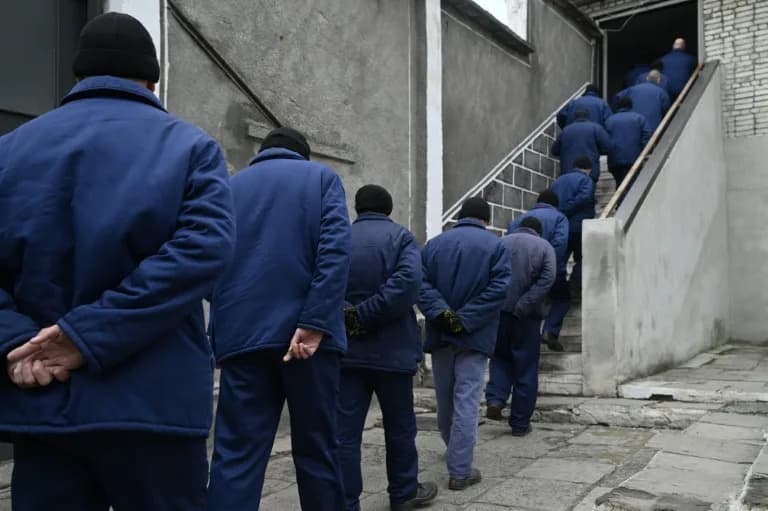
Now 18, Suzanskyi is incarcerated at a juvenile correctional colony in Kremenchuk, both a perpetrator and a victim of a covert front in Russia’s war against Ukraine: the recruitment of impoverished and displaced children to attack their own communities. At the Kremenchuk facility, eight of 72 inmates are serving sentences for national-security or public-safety offenses linked to Russia.
Authorities say many recruits come from difficult family situations and were enticed by relatively small sums. After the relay-cabinet arson, Suzanskyi said he was offered 60,000 hryvnias (about $1,430) to plant an explosive. A handler who identified himself only as Artem left two backpacks outside a hotel room: one with military clothing, the other with a taped box of wires Suzanskyi initially believed was a jammer. He was intercepted at a library by Ukrainian intelligence before the attack could be carried out.
"Those 60,000 turned into five years," Suzanskyi said.
Patterns Across Cases
Across Ukraine, the Justice Ministry reports 13 minors currently serving sentences in Russia-related cases, including five girls, and more than 300 juveniles have been detained in similar investigations. Some received probation; others remain under investigation. A 2023 report by the U.N. Office of the High Commissioner for Human Rights documented a rise in credible allegations that Russian actors used children in government-controlled areas for surveillance, to pass on information about Ukrainian forces, or to commit sabotage and arson against military-related and public infrastructure. Russia denies these allegations and has accused Ukrainian services of recruiting Russian minors in their turn.
From Recruitment To Conviction
Many recruiters used Telegram channels and private messages to promise easy money and high monthly pay. Oleksii Babakov, now 17, saw such an ad after spending months under occupation in Vovchansk and later moving to Poland. He said handlers asked him to recruit other youths — including a friend, identified only as Vikentii — and pass them to a contact for assignments. Vikentii, 17, later left a device near a Kharkiv police station; it detonated but caused no injuries. Vikentii was convicted of committing a terrorist act and received a three-year sentence. Babakov was deported from Poland, convicted of incitement and assistance in a terrorist attack, and sentenced to four years.
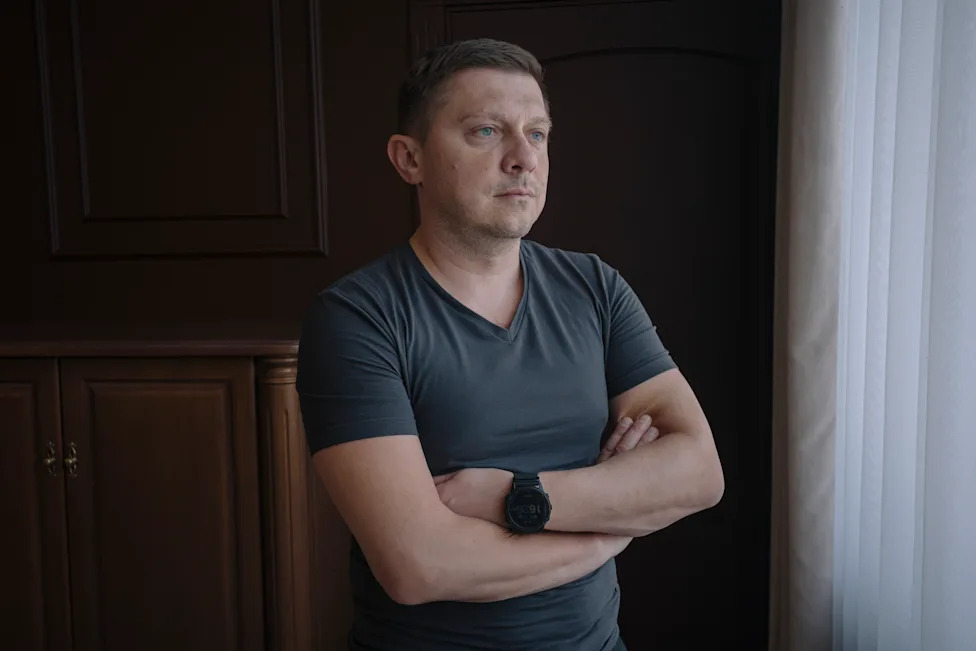
Maksym Parshyn, 17, from Slovyansk, described living with a mentally ill parent and struggling to find legal work because of his age. He accepted payments through Telegram to set fires, paint graffiti on military recruitment offices and film attacks. He spent about a year in pretrial detention and was sentenced to four years.
Life Inside Kremenchuk Colony
Deputy Justice Minister Yevhen Pikalov emphasized that many of the detained youths were motivated by financial desperation rather than political loyalty: "They did not do it with the motive of destroying the Ukrainian state. They didn't do it because they love Russia. $500 on Telegram, that's it."
In the colony, personal phones are banned; staff retain SIM cards and supervise calls, video chats, computers and tablets. Social media is blocked. During free time, detainees play sports, read, watch television or use gaming consoles. Education and rehabilitation programs are provided, and some detainees can continue studies: Suzanskyi began an online agronomy degree after turning 18 in June. After reaching adulthood, teenagers can remain at Kremenchuk for education and rehabilitation until 22 or be transferred to adult prisons.
Kremenchuk and other Ukrainian facilities operate under the constant threat of Russian airstrikes. Blast waves have damaged the colony multiple times, though staff say detainees were sheltered and no one was injured. Air-raid alerts frequently interrupt classes and exams.
Uncertain Futures
Officials say rehabilitation decisions are individualized, guided by each youth's risk profile and needs rather than only by the offense. Many of the young people express hope for a second chance: Babakov wants a "clean slate," Parshyn wants to reunite with family, and Suzanskyi — who voluntarily moved to a medium-security adult prison to "try adult life" — worries about surviving the war and protecting his loved ones while he serves a multi-year sentence.
The cases spotlight a broader, troubling pattern: the exploitation of poverty and instability to co-opt minors into dangerous acts with long-term legal and personal consequences. They raise urgent questions about prevention, cross-border policing of messaging platforms, and support for at-risk youth caught between conflict and coercion.
Help us improve.