Fiji has declared a national HIV emergency after infections rose sharply, driven largely by injected crystal methamphetamine use and unsafe injecting practices. UNAIDS and WHO data indicate roughly 9,000 people living with HIV, about one in 60 adults infected, and more than 2,000 new diagnoses in 2025 alone. The government is expanding testing, distributing clean needles and providing free antiretroviral therapy, while international agencies warn of regional risks and urge rapid harm‑reduction efforts.
Fiji Declares National HIV Emergency As Infections Surge; Officials Link Rise To Injecting Drug Use

Beach of Pacific Harbour, Beqa Lagoon, Viti Levu, Fiji (Photo by Reinhard Dirscherl/ullstein bild via Getty Images)
Fiji has declared a national HIV emergency after official data showed a sharp and sustained rise in infections across the island nation. Health authorities and international agencies say the spike is concentrated among communities affected by injecting drug use, and that urgent, non‑punitive public health measures are needed to halt further spread.
Rising Numbers and Human Impact
UNAIDS estimated roughly 9,000 people were living with HIV in Fiji in 2025, in a country of fewer than one million residents. Officials reported that new infections have increased about 12‑fold over the past 15 years. Reporting from multiple outlets found more than 2,000 new diagnoses in 2025 — roughly 16 times the number recorded in 2019 — while a World Health Organization rapid assessment recorded 1,583 new cases in 2024 and 1,226 cases in the first half of 2025.
The recent prevalence figures are stark: about one in 60 adults is now estimated to be living with HIV (up from one in 167 five years earlier), and approximately one in 50 pregnant women is infected. In 2025, 59 infants were born with HIV and 18 of those infants died before reaching their first birthdays, according to reporting by the Associated Press and Reuters.
Primary Drivers: Injecting Drug Use And Unsafe Practices
Health officials identify a growing epidemic of injected drug use—especially crystal methamphetamine—as the principal driver of the surge. The WHO assessment and other reports describe widespread needle sharing and other unsafe injecting practices. Investigators also flagged a risky behavior called the "Bluetooth trend," in which people inject another person’s blood to intensify a high when they cannot afford drugs themselves.
"The focus must be on protecting people — not judging, watching or shaming them," said Fiji Health Minister Atonio Lalabalavu, calling for a coordinated national response.
Government Response And Gaps In Care
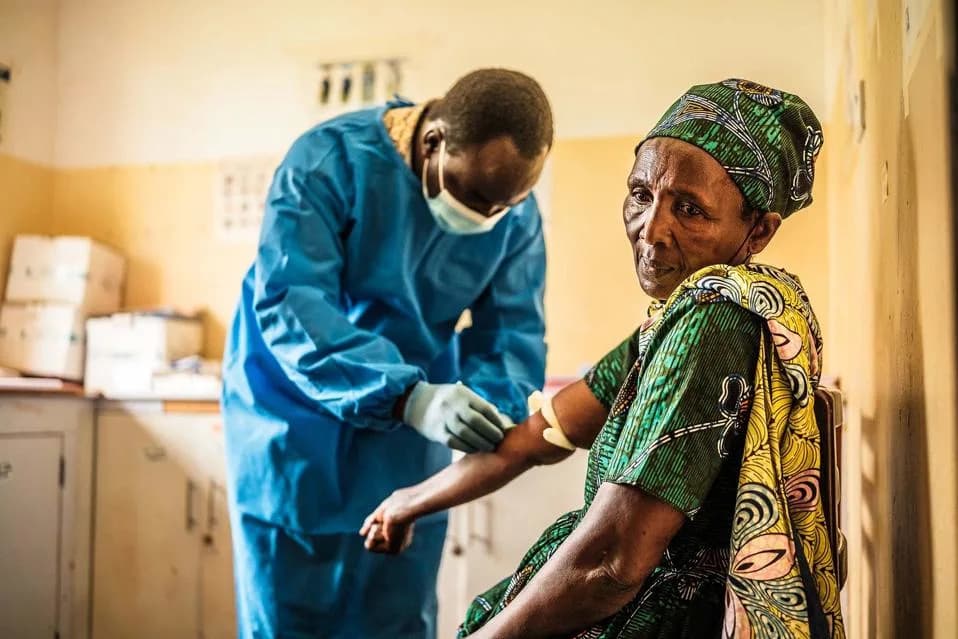
Fiji’s government is expanding free HIV testing, distributing clean needles to people who inject drugs, and providing free antiretroviral therapy (ART). These measures aim to close a large treatment gap: officials estimate that only 39% of people living with HIV in Fiji know their status, and only 22% are receiving care.
International officials cautioned that without rapid scale‑up of testing, treatment and harm reduction, the outbreak could spread beyond Fiji. Winnie Byanyima, executive director of UNAIDS, warned that Fiji is experiencing one of the sharpest increases in new HIV infections worldwide and emphasized that the global AIDS crisis is not over. U.N. Development Programme representative Munkhtuya Altangerel called the findings a wake‑up call and framed the epidemic as a development and human rights challenge.
Regional Concerns And Next Steps
Regional health authorities have warned that Fiji’s position as a transportation and tourism hub increases the risk that the epidemic could affect neighboring South Pacific nations. Experts and advocates are urging urgent action to reduce stigma, scale up harm‑reduction programs (including needle‑exchange and addiction services), expand access to testing and ART, and engage community and faith leaders in supportive responses.
Sources: Reporting from The Associated Press, Reuters and The New York Times; data and assessment findings from UNAIDS and the World Health Organization; statements from Fiji Health Minister Atonio Lalabalavu and UNDP representative Munkhtuya Altangerel.
Help us improve.