Fiji declared a national HIV emergency after infections surged to an estimated one in 60 adults and one in 50 pregnant women, a sharp rise from one in 167 five years ago. Health officials link much of the increase to unsafe injecting drug use connected to a methamphetamine crisis; WHO reports nearly half of those starting treatment in 2024 were people who inject drugs. The government plans to expand testing and treatment, increase access to PrEP, and introduce a formal needle-and-syringe programme while calling for reduced stigma and stronger community support.
Fiji Declares National HIV Emergency As Infections Soar — 1 in 60 Adults Affected

The beach at Matangi Private Island Resort in FijiCredit: Greg Vaughn /VW PICS/Universal Images Group via Getty
Fiji has declared a national state of emergency after a rapid and worrying rise in HIV infections, Health Minister Atonio Lalabalavu announced on Sept. 15. Current estimates indicate about one in 60 adults and roughly one in 50 pregnant women are living with HIV — a dramatic increase from one in 167 five years ago.
Surge Driven By Injecting Drug Use
Health officials and the World Health Organization point to unsafe injecting drug use, linked to a growing methamphetamine crisis, as a major driver of the outbreak. WHO reported in February that nearly half of the people who began HIV treatment in 2024 were people who inject drugs, underlining gaps in access to prevention and stigma-free care.
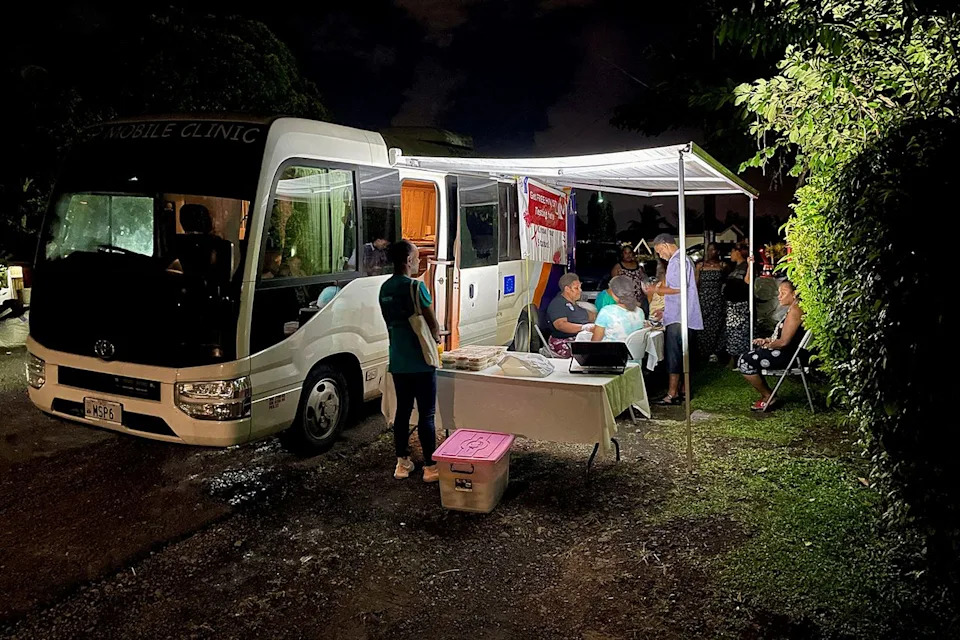
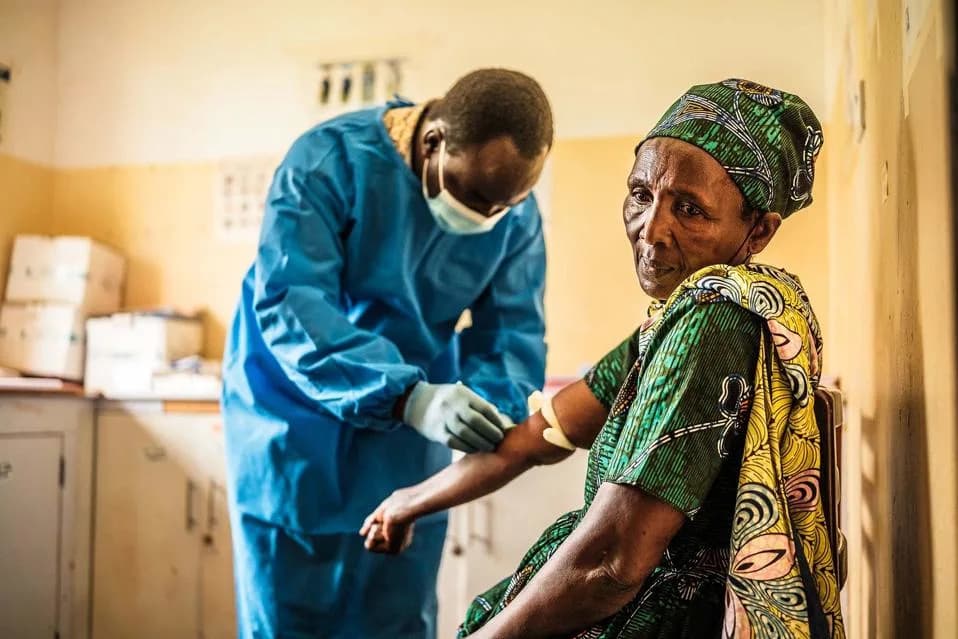
A mobile HIV testing unit in Fiji in March 2026Credit: AFP via Getty
Scope And Human Impact
For a nation of fewer than one million people, the increase is stark: WHO recorded 1,583 new HIV diagnoses in 2024 and 1,226 new cases in the first half of 2025. Child health groups have sounded the alarm — Save the Children Fiji told CNN that the youngest known case is a two-month-old infant diagnosed with both HIV and tuberculosis.
Government Response
Lalabalavu said the rise has outgrown an "outbreak-level" response and warrants a national emergency. Planned measures include expanded testing and treatment, wider access to pre-exposure prophylaxis (PrEP) — available as a daily pill or a twice-yearly injection — and the introduction of a formal needle-and-syringe programme to reduce harms from injecting drug use. The ministry also emphasized mobile testing, community outreach, and partnerships with international agencies.
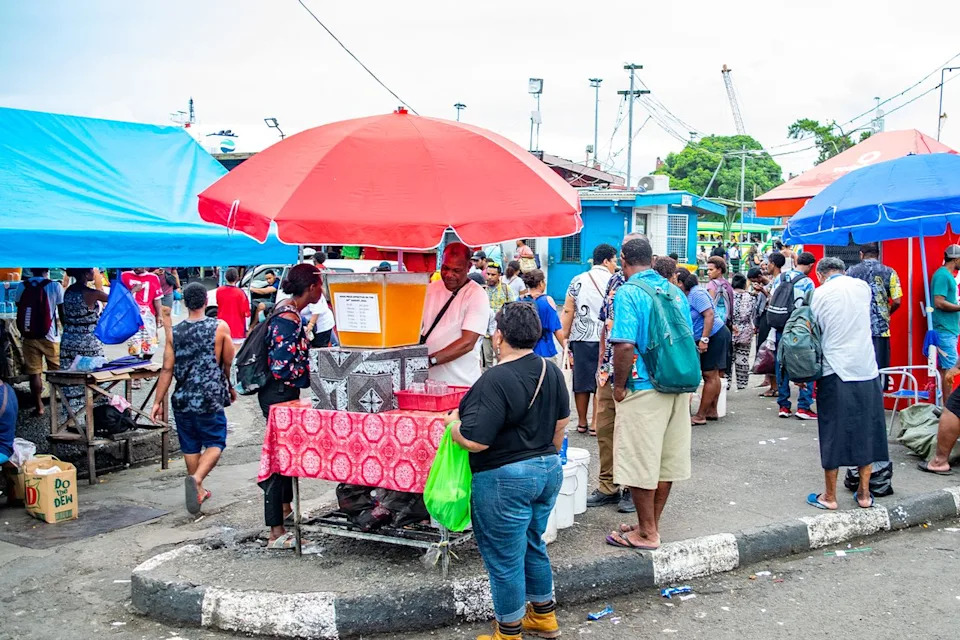
A busy street in Suva, FijiCredit: Pita Simpson/Getty
Addressing Stigma And Testing Gaps
Renata Ram, Fiji adviser for UNAIDS, warned that only about 39% of residents know their HIV status, increasing the danger of undetected transmission. Officials urged communities to support people seeking care and to protect patient privacy — stressing that stigma drives people away from lifesaving services.
"Anyone who has been diagnosed with HIV, a diagnosis does not take away your future. Effective treatment can help you live a long and healthy life," Lalabalavu said.
What This Means
The emergency declaration is intended to fast-track resources, expand prevention and treatment services, and coordinate government, community and international partners to curb transmission. Public health experts say combining harm-reduction services (like needle exchange), wider PrEP availability, and destigmatized testing and care offers the best path to reversing the trend.
How to help or get tested: Residents should seek information from the Ministry of Health, local clinics offering HIV testing, or community health organizations. Respect for privacy and support for those in care are critical to controlling the outbreak.
Help us improve.