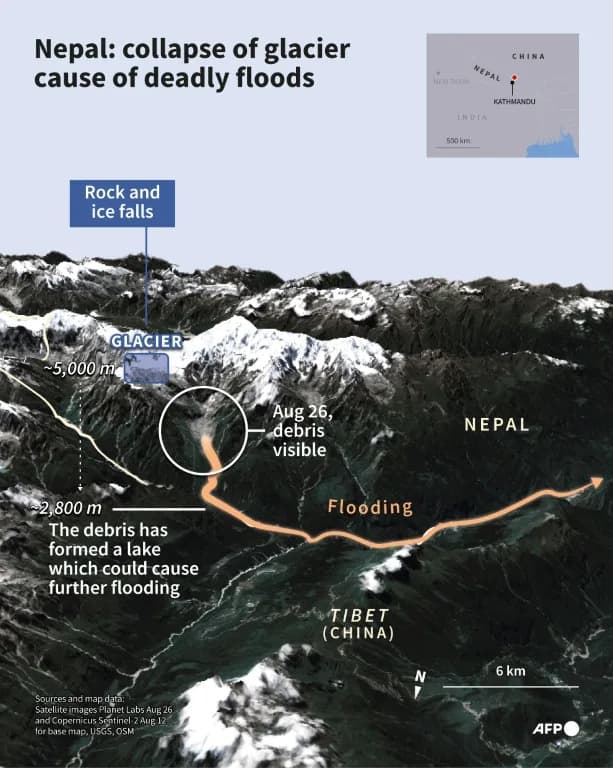
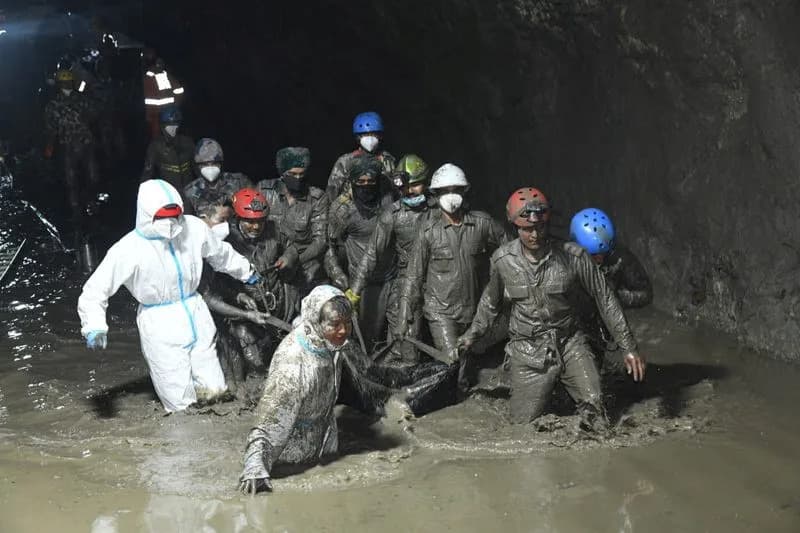
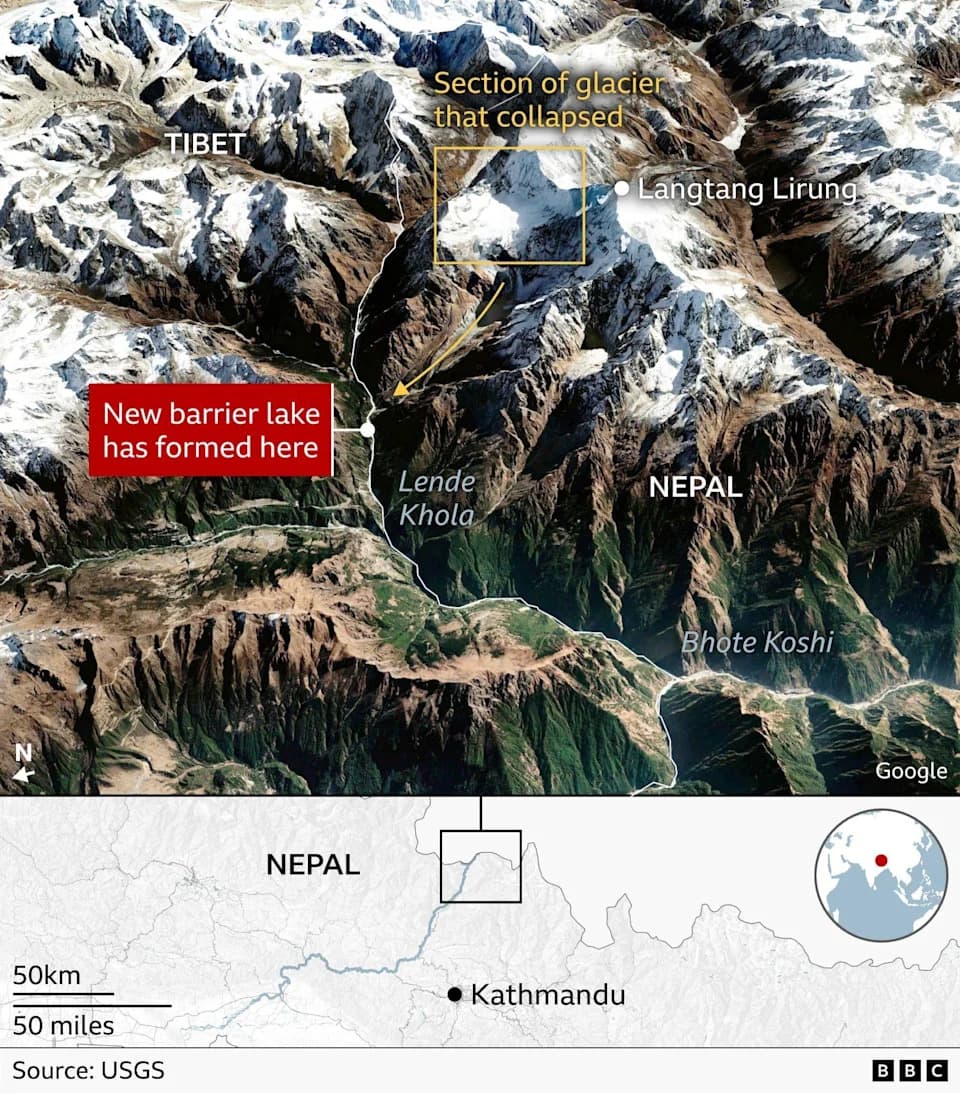
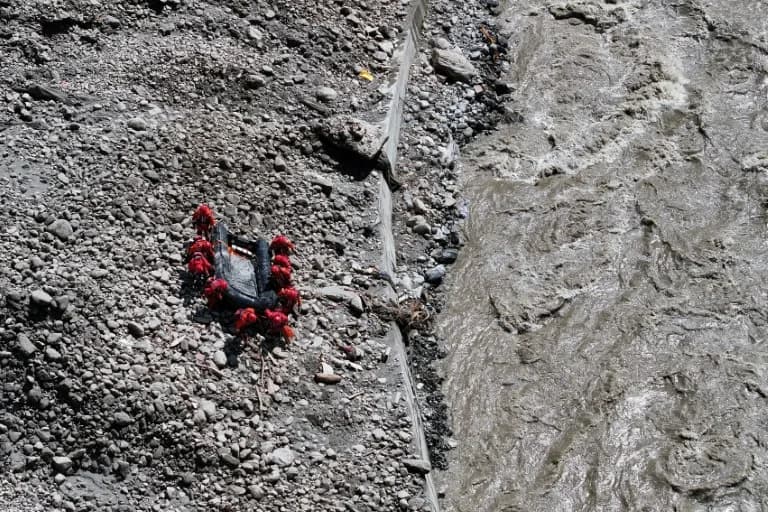
The glacial collapse along the Nepal-China border sent a wall of mud, water and rock that buried towns such as Betrawati and left thousands missing. Officials report at least 1,386 dead and 5,130 people unaccounted for on Nepal's side. Survivors return to a wasteland of silt and scattered belongings, clutching keys and photographs as they search for loved ones. Rescue teams continue to comb the area while communities face a long road to recovery.
Betrawati Buried: Survivors Return to a Grey Plain After Devastating Glacial Flood
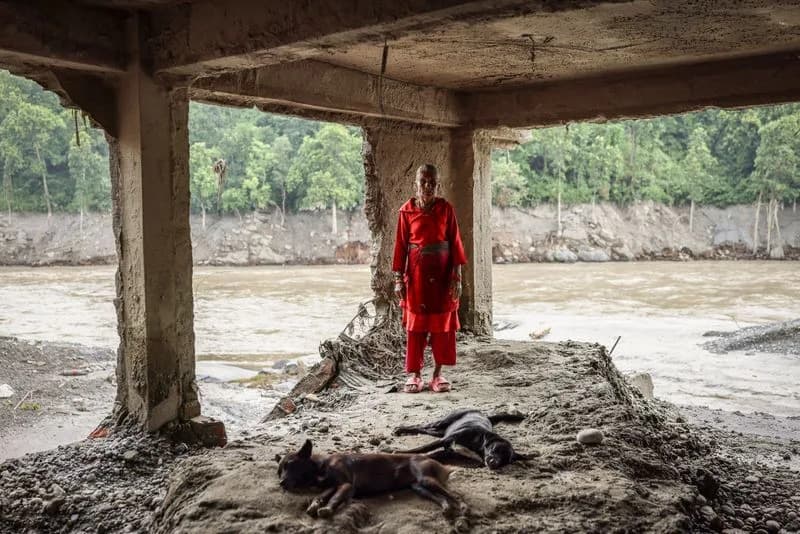
Nani Kanchi Khatri, 60, poses inside her home where walls were destroyed by floodwaters in Galchhi, Dhading district, Nepal, September 6, 2026. Khatri, who lives alone and suffers from asthma, said the flood damaged her only property and swept away medicines she had recently purchased. "I don't have a husband or son to look after me. With my only property damaged by the flood, I don't have anywhere to go," she said. REUTERS/Tyrone Siu
BETRAWATI / DEVIGHAT, Nepal — Survivors who fled a sudden glacial collapse that unleashed a torrent of water, mud and rock along the Nepal-China border are returning to find entire towns erased and their lives reduced to scattered relics.
What Remains
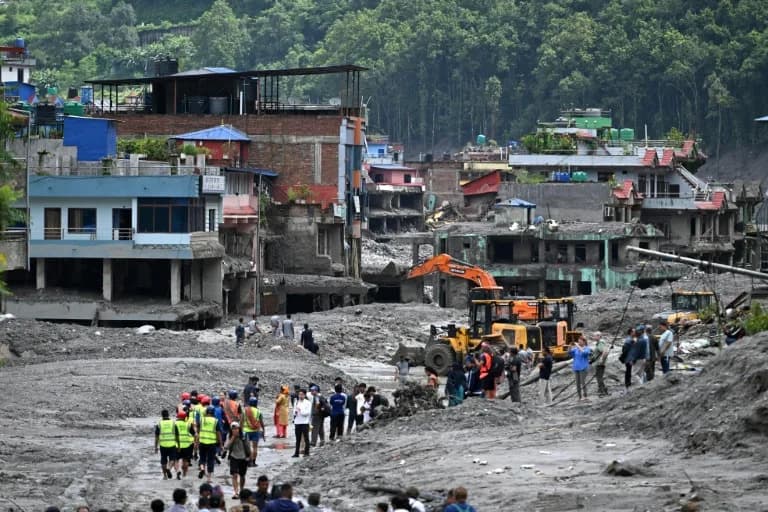
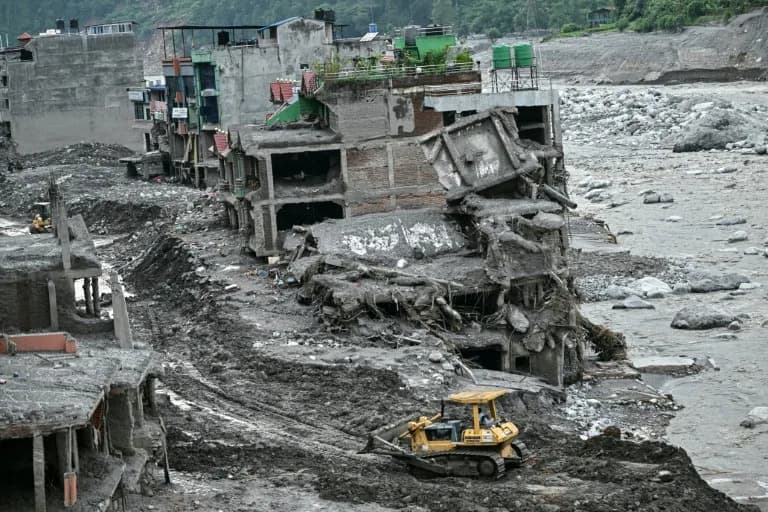
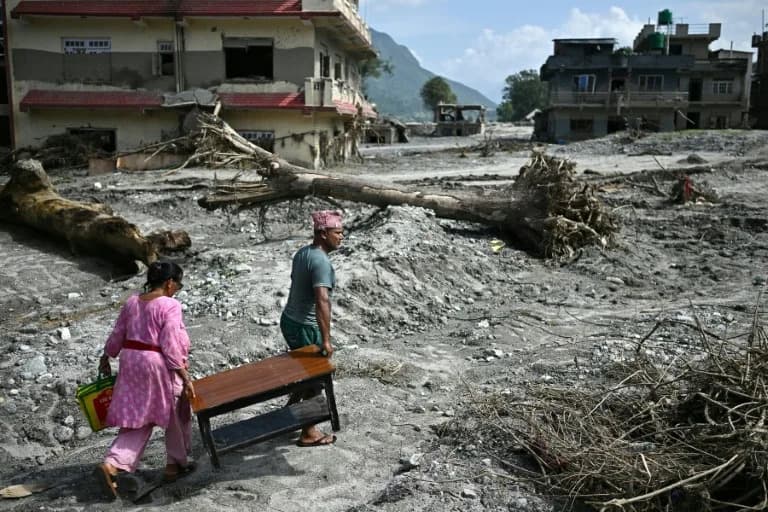
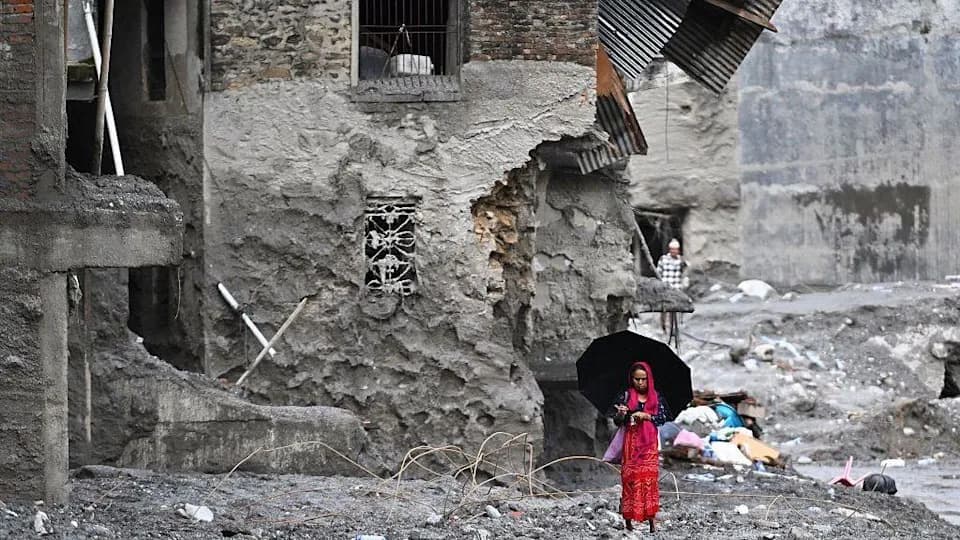
In Betrawati, families walk across a flat expanse of hardened silt where houses, shops and a school once stood. Personal items — shoes, school ties, backpacks and photographs — lie half-buried in the grey mud. Downstream in Devighat, partial shells of houses protrude from the debris, while survivors salvage whatever they can.
Search Efforts and Toll
Officials report at least 1,386 confirmed dead and 5,130 people still missing on Nepal's side of the border after the glacial collapse triggered the flood. Rescue teams continue ground searches, but it has been days since any live survivors have been recovered.
Human Stories
Anusa Thapa Magar, 23, rushed home from her job in the Maldives hoping her grandmother had survived. She found neither the family’s two-storey house nor the town itself. Standing on hardened mud, she feared her grandmother might be trapped beneath the debris.
"If my house is buried underneath, that means my Aama is still here underneath too, right?" she said, using the Nepali word for mother.
Garment business owner Kalpana Thapa Magar recalled only minutes of warning before the deluge: a frantic phone call and the cry, "Run! Run!" She ran and, when she looked back, everything and many of the fleeing people were gone. Others, like Madhav Ghimire, carry keys and photographs as small anchors of identity amid the loss.
Wider Context and Impact
Many families in the affected region have already endured past disasters, including Nepal's 2015 earthquake that killed nearly 9,000 people. Survivors say the scale of this flood — burying homes and farmland under thick silt and rock — has wiped out livelihoods and erased places that once served pilgrims, trekkers and local economies.
On-the-Ground Conditions
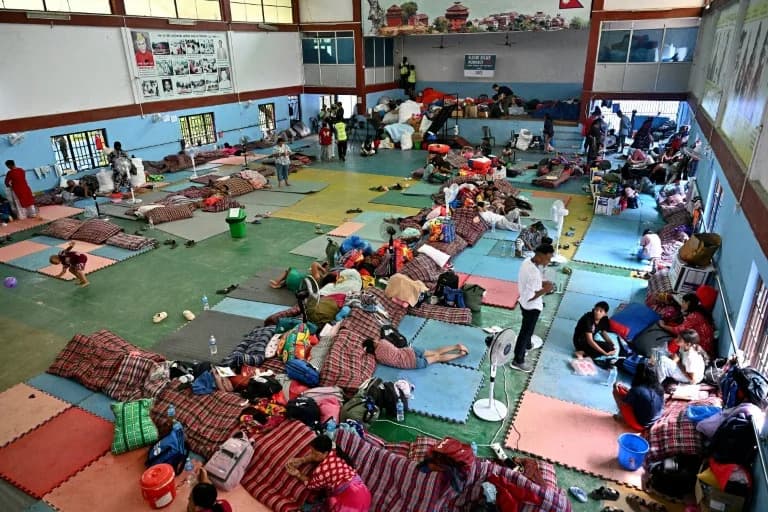
Access to Betrawati is now difficult: the highway linking Bidur to Betrawati is covered in mud, and reaching the settlement requires steep climbs and narrow ridges. Tents on nearby hills shelter hundreds of displaced people who make daily trips into the wasteland searching for loved ones and belongings.
Looking Ahead
Authorities and search teams continue to comb the area for remains and survivors, while humanitarian agencies and local communities begin assessing needs for shelter, medical care and long-term rebuilding. Residents warn that the economic recovery will be long and uncertain as farmland, homes and local businesses have been devastated.
Reporting: Adnan Abidi, Tyrone Siu, Sahana Bajracharya. Writing: Aftab Ahmed. Editing: Rosalba O'Brien.
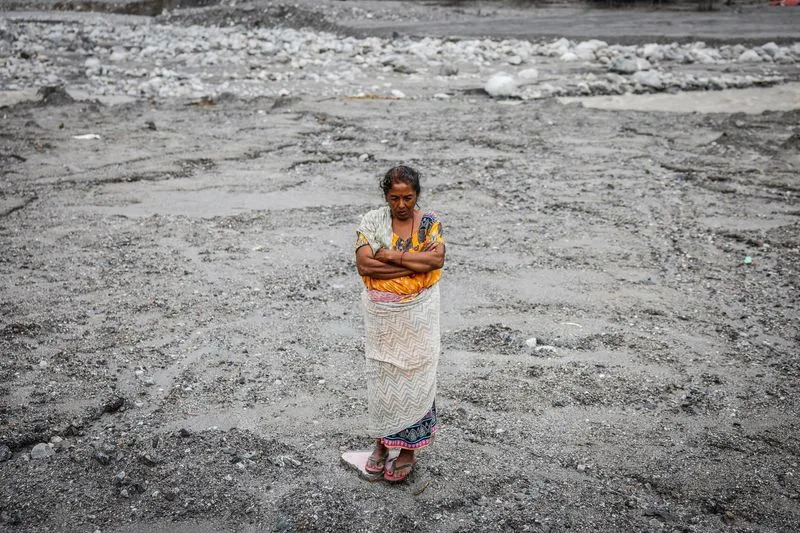
Shanti Dangol, 61, displaced by recent flash floods and mudslides, poses for a photograph on the sludge that buried her home in Betrawati, Nuwakot district, Nepal, September 9, 2026. Shanti described Betrawati as a once-thriving town that catered to pilgrims and trekkers and had grown more prosperous in recent years as families built larger homes, rented rooms and invested in their children's education. "Economically, people here had started doing well. Now, nothing remains," she said. REUTERS/Adnan Abidi
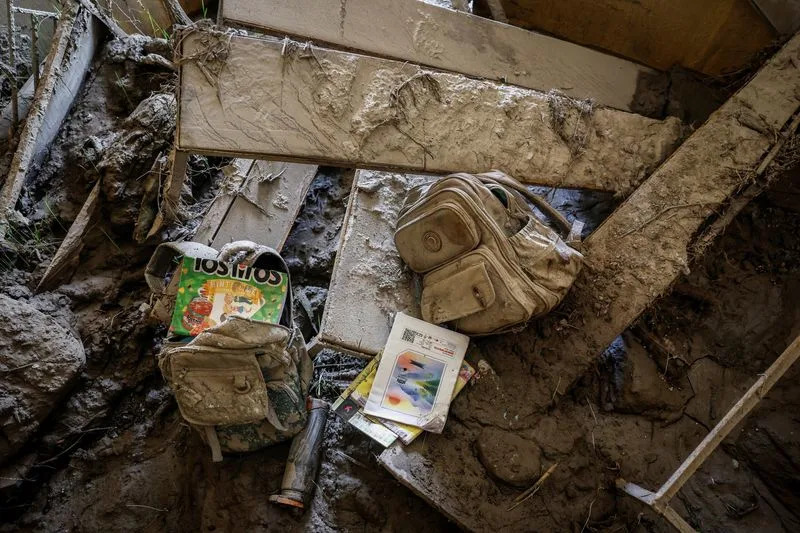
Desks and school bags covered in sludge are seen inside a classroom at Uttargaya Public School following flash floods and mudslides in Angitar, Nuwakot district, Nepal, September 9, 2026. There are 5,130 people still reported missing on the Nepal side of the border after the flood caused by a glacial collapse that swept down the mountains, killing at least 1,386 people. The authorities continue to search for survivors, but it has been days since anyone has been found alive. REUTERS/Adnan Abidi
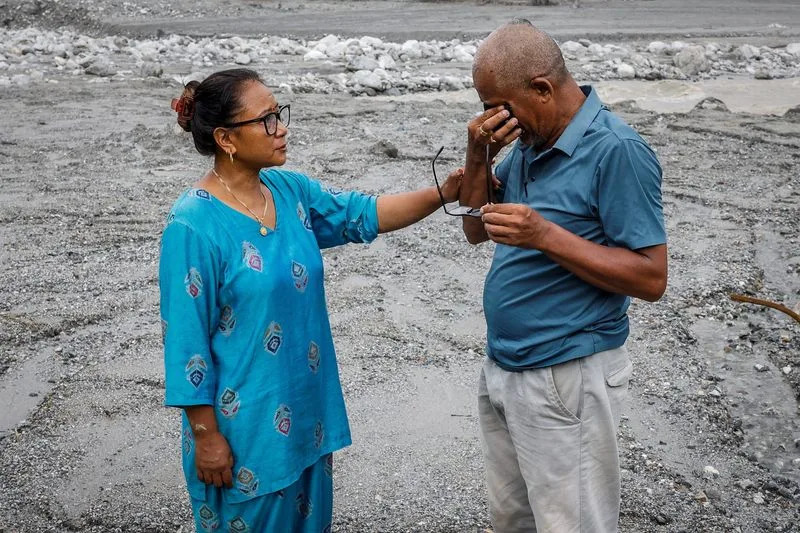
Chari Thapa Magar, 54, and Sita Thapa Magar, 45, who were displaced by recent flash floods and mudslides, cry as they pose for a photograph on the sludge that buried their home in Betrawati, Nuwakot district, Nepal, September 9, 2026. Sita Thapa Magar said the earthquake had brought hardship and loss, but families had at least been able to salvage belongings and rebuild on their land. This time, the two houses she owned with her husband had been swept away and their farmland buried under debris. "This time, we have lost everything," she said. REUTERS/Adnan Abidi
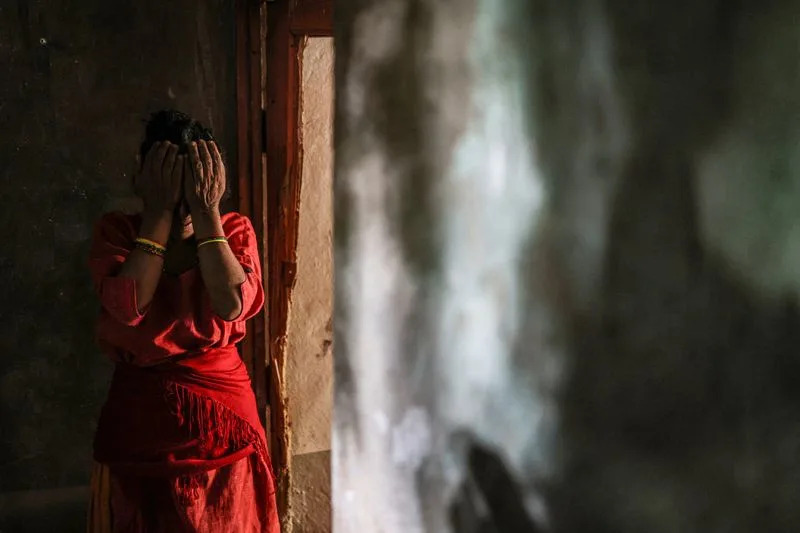
Shanti Pudasaini, 53, cries inside her house as she speaks about her uncertain future following flash floods and mudslides in Devighat, Nuwakot district, Nepal, September 9, 2026. In Devighat, residents have been salvaging what belongings they can, though many say they will have no reason to return again. Shanti's family said they had lived in the area for more than three decades and had never witnessed flooding on such a scale, leaving their home and neighbourhood heavily damaged. REUTERS/Tyrone Siu
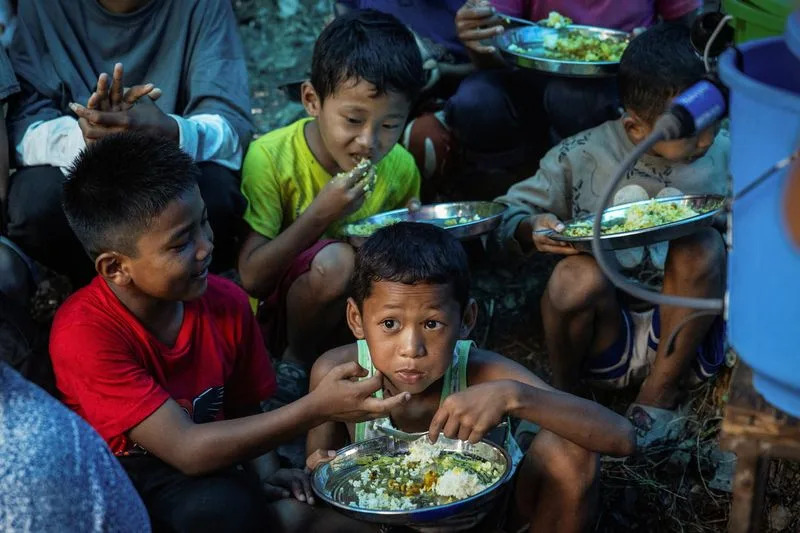
Children displaced by flash floods and mudslides eat lunch inside a makeshift kitchen at a temporary shelter on a hill in Betrawati, Nuwakot district, Nepal, September 9, 2026. Each day, scores of survivors sheltering in clusters of tents on a hillside above the site of Betrawati walk the half a kilometre (500 yards) to wander across the wasteland that was once their town, searching for traces of homes, shops and loved ones swallowed by the floods. There are 5,130 people still reported missing on the Nepal side of the border after the flood caused by a glacial collapse that swept down the mountains, killing at least 1,386 people. The authorities continue to search for survivors, but it has been days since anyone has been found alive. REUTERS/Adnan Abidi
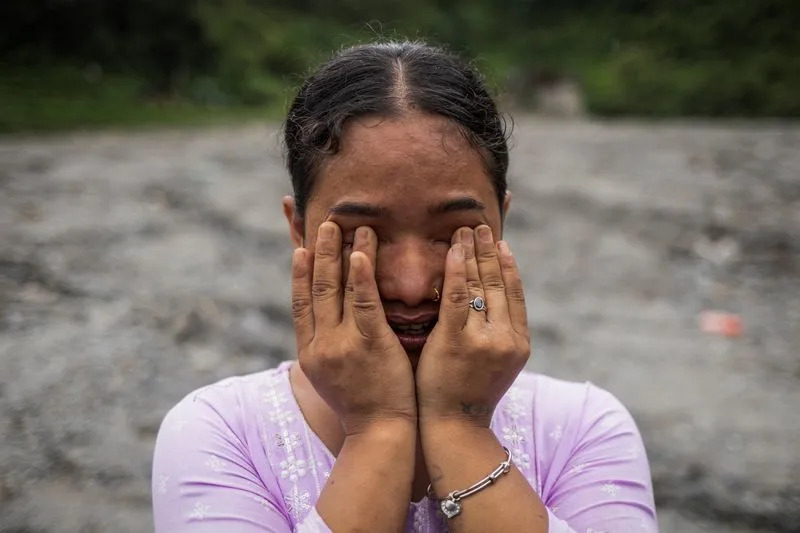
Anusa Thapa Magar, 23, displaced by recent flash floods and mudslides, cries as she poses for a photograph on the sludge that buried her home in Betrawati, Nuwakot district, Nepal, September 9, 2026. Magar returned from working in the Maldives after hearing about the disaster and fears her grandmother may still be buried beneath the family home. "If my house is buried underneath, that means my Aama is still here underneath too, right?" she said. REUTERS/Adnan Abidi
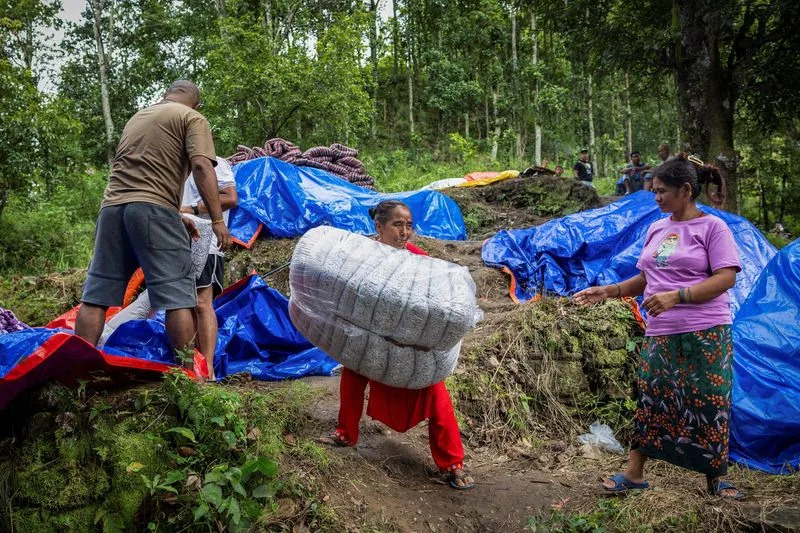
Chary Thapa Magar, displaced by flash floods and mudslides, carries a sack of aid supplies at a temporary shelter on a hill in Betrawati, Nuwakot district, Nepal, September 9, 2026. Each day, scores of survivors sheltering in clusters of tents on a hillside above the site of Betrawati walk the half a kilometre (500 yards) to wander across the wasteland that was once their town, searching for traces of homes, shops and loved ones swallowed by the floods. There are 5,130 people still reported missing on the Nepal side of the border after the flood caused by a glacial collapse that swept down the mountains, killing at least 1,386 people. The authorities continue to search for survivors, but it has been days since anyone has been found alive. REUTERS/Adnan Abidi
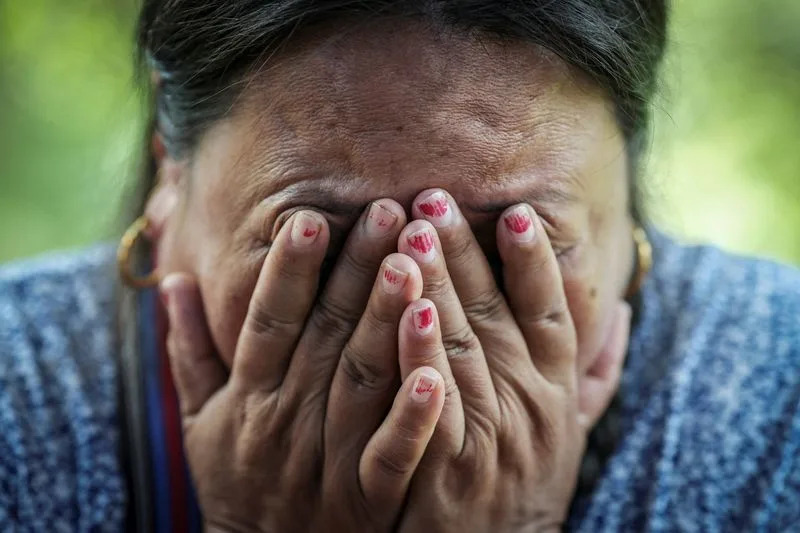
Kalpana Thapa Magar, 43, displaced by flash floods and mudslides, cries while sitting outside her tent at a temporary shelter on a hill in Betrawati, Nuwakot district, Nepal, September 9, 2026. Betrawati residents said warnings about the approaching flood began circulating minutes before it arrived, as friends and relatives upstream phoned to alert them. But few grasped the speed or scale of what was coming. "I just ran. When I looked back, everything was gone, even the people who had been running behind me," said Kalpana Thapa Magar. "I have nothing left except the clothes I am wearing right now." REUTERS/Adnan Abidi
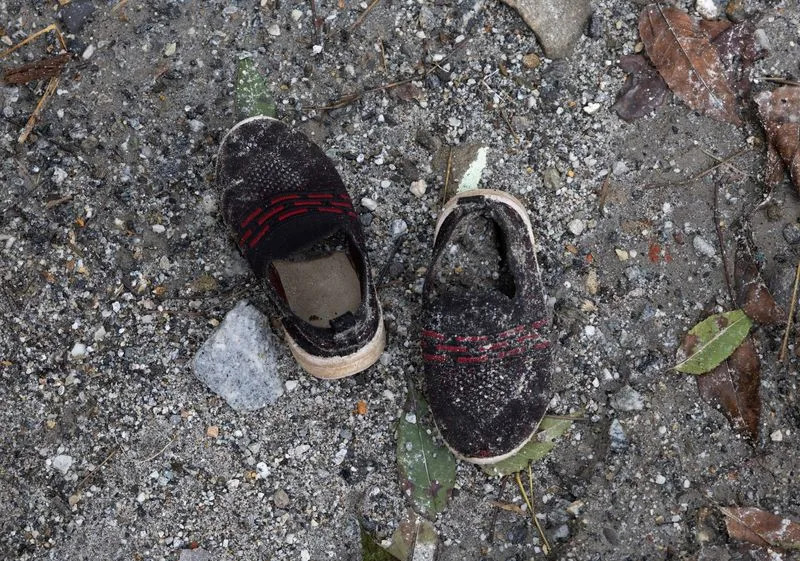
A pair of shoes belonging to a child, covered in sludge, lies on the grounds of Uttargaya Public School following flash floods and mudslides in Angitar, Nuwakot district, Nepal, September 6, 2026. There are 5,130 people still reported missing on the Nepal side of the border after the flood caused by a glacial collapse that swept down the mountains, killing at least 1,386 people. The authorities continue to search for survivors, but it has been days since anyone has been found alive. REUTERS/Adnan Abidi
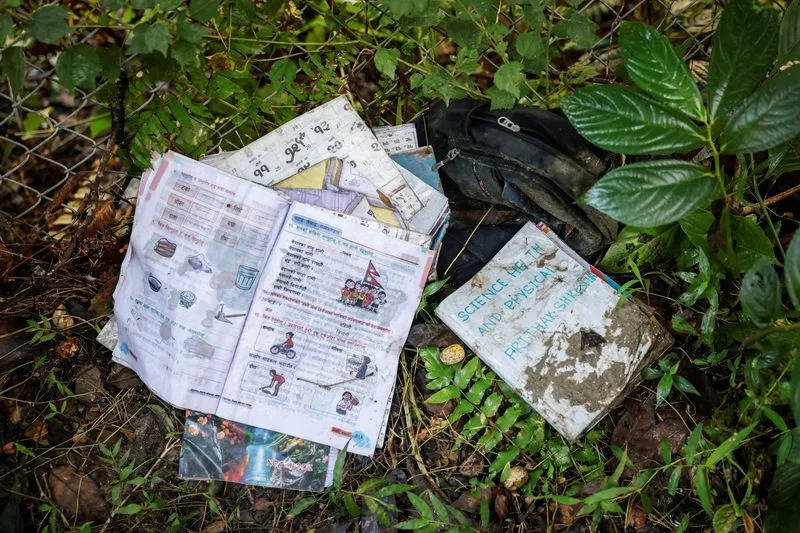
School books and a bag covered in sludge are pictured outside Uttargaya Public School following flash floods and mudslides in Angitar, Nuwakot district, Nepal, September 6, 2026. There are 5,130 people still reported missing on the Nepal side of the border after the flood caused by a glacial collapse that swept down the mountains, killing at least 1,386 people. The authorities continue to search for survivors, but it has been days since anyone has been found alive. REUTERS/Adnan Abidi
Help us improve.