Nepalese authorities report that only about 7% of recovered bodies from a glacial collapse flood have been identified; just 105 remains have been returned to families. About 5,200 people — including 636 foreigners — remain missing and at least 1,399 have died. DNA samples were taken from 1,206 bodies and 1,889 family members, while search teams continue using drones, helicopters and specialist crews amid difficult terrain and heavy debris.
Only 7% Of Recovered Bodies Identified After Nepal Glacial Collapse; 5,200 Still Missing
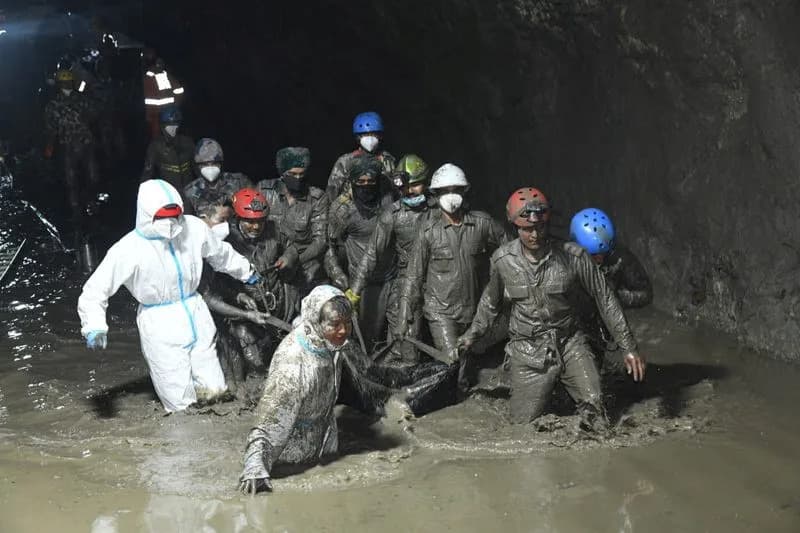
Members of a search and rescue teams carry the body of a victim from the inside the Chilime Hydropower Project tunnel, following deadly flash floods and mudslides hit parts of Nepal, in this handout obtained by Reuters on September 16, 2026. Nepal Army/Handout via REUTERS
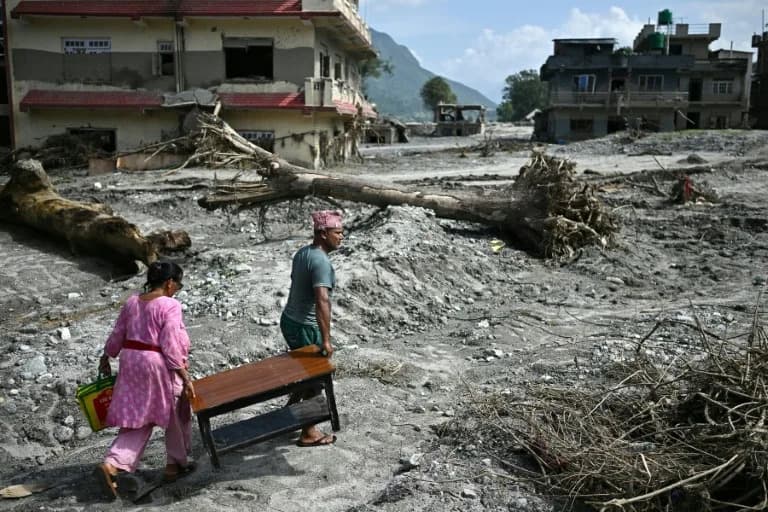
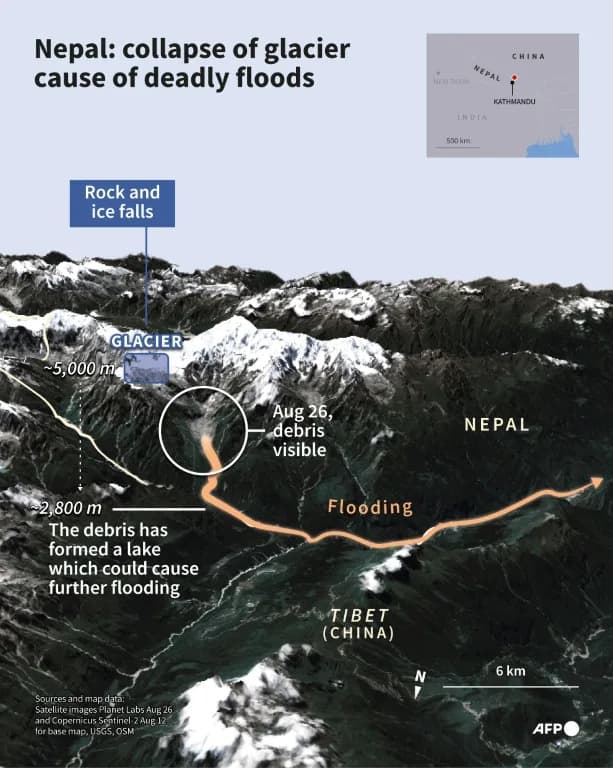
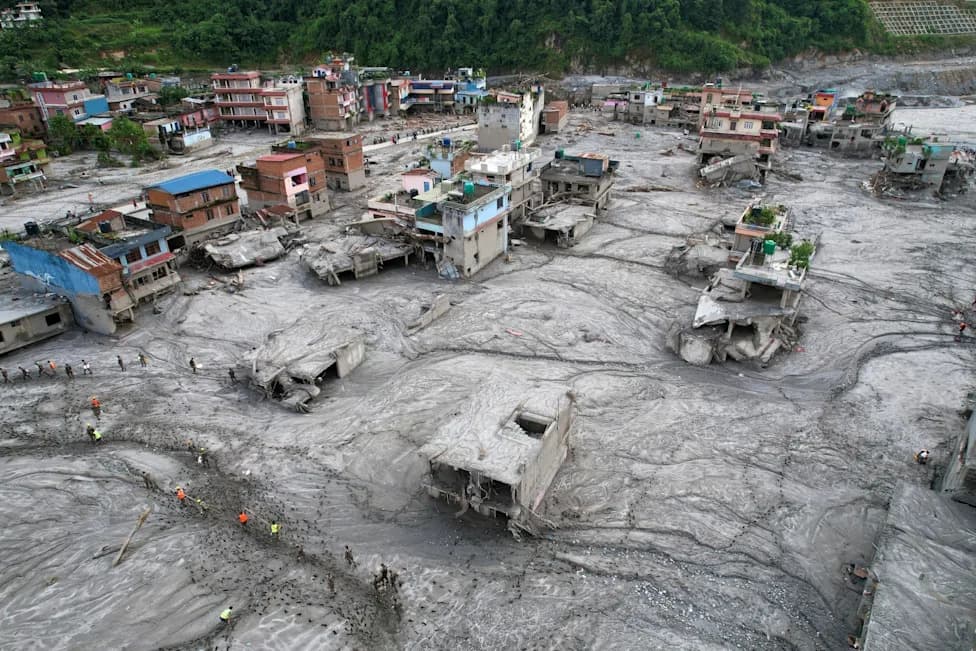
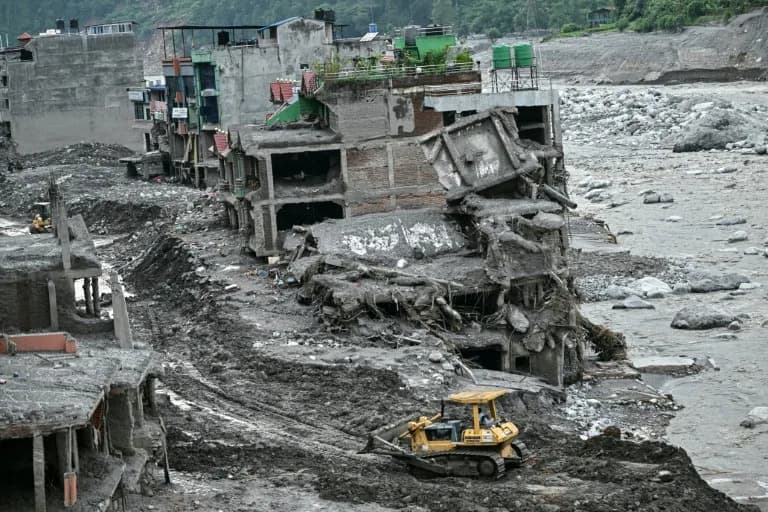
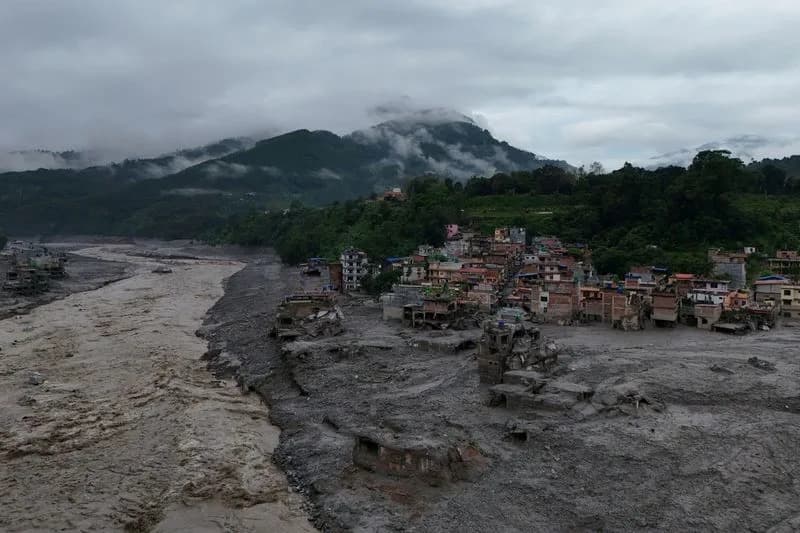
New Delhi — Nepali authorities say only about 7% of recovered bodies from the glacial collapse flood have been formally identified, underscoring the scale of the challenge for families seeking answers. The disaster, which unleashed torrents of mud, rock and water, has left whole mountain communities and hydropower sites devastated.
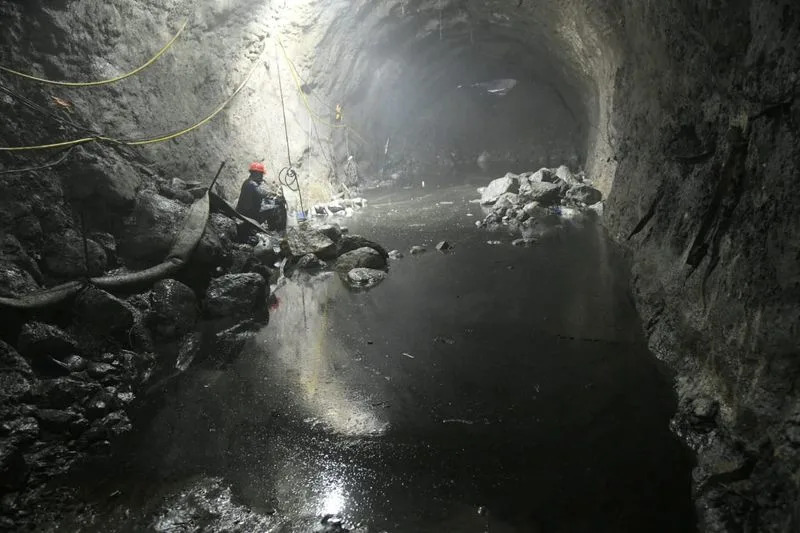
A member of a search and rescue team works inside the Chilime Hydropower Project tunnel, following deadly flash floods and mudslides hit parts of Nepal, in this handout obtained by Reuters on September 16, 2026. Nepal Army/Handout via REUTERS
Search, Rescue and Identification Efforts
The National Disaster Risk Reduction and Management Authority reports at least 1,399 deaths and about 5,200 people still missing, including 636 foreign nationals. To aid identification, authorities collected DNA samples from 1,206 recovered bodies and 1,889 family members of the missing, but only 105 bodies have been positively identified and returned to relatives so far — roughly 7% of recovered remains.
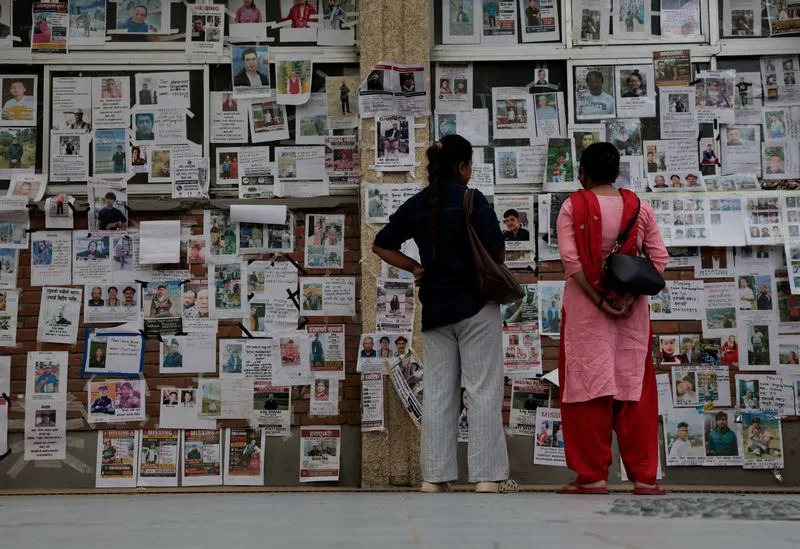
People look at photographs of missing people on a wall outside Tribhuvan University Teaching Hospital following the deadly flash floods and mudslide, in Kathmandu, Nepal, September 16, 2026. REUTERS/Navesh Chitrakar
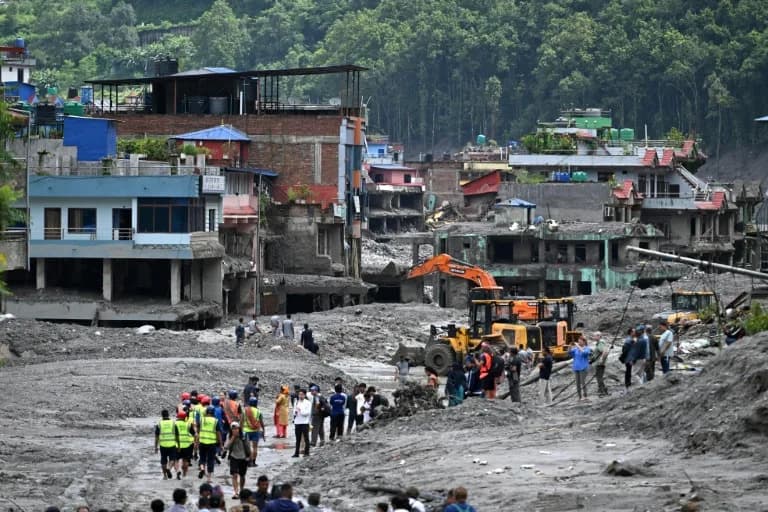
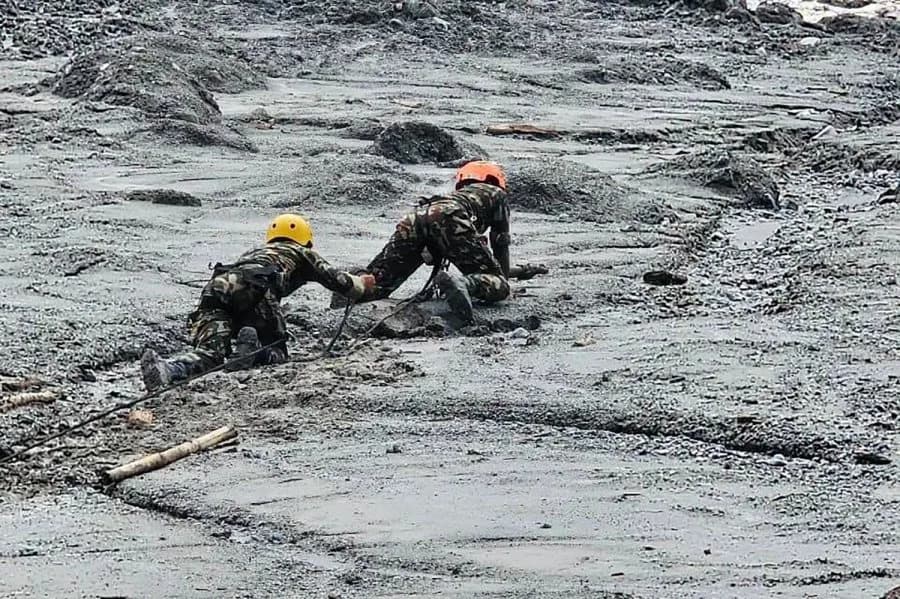
Search teams continue to deploy thermal drones and helicopters and have brought in technical specialists to assist rescue workers, particularly at hydropower tunnels where a number of remarkable rescues have occurred. Officials cite narrow airspace, rugged mountainous terrain and massive debris deposits as major obstacles to locating and recovering the missing.
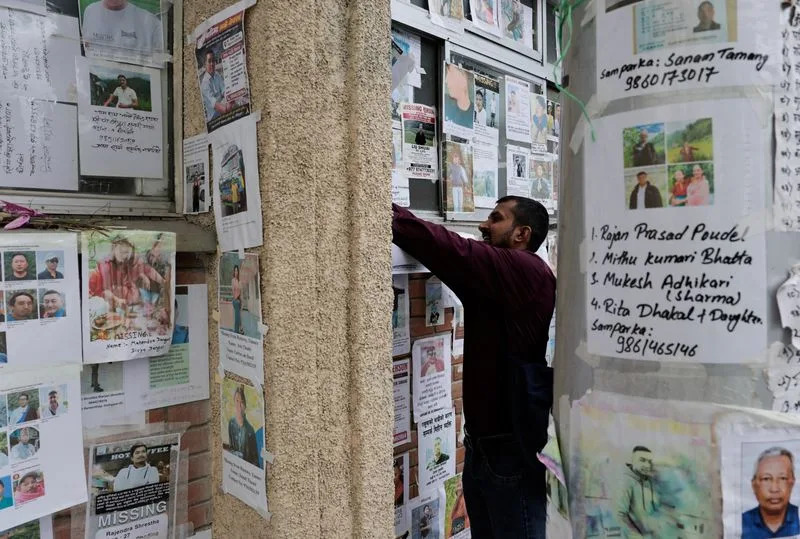
Krishna Prasad Paudel from Trishuli sticks a portrait of his missing brother on a wall outside Tribhuvan University Teaching Hospital following the deadly flash floods and mudslide, in Kathmandu, Nepal, September 16, 2026. REUTERS/Navesh Chitrakar
"Narrow airspace, difficult geographical mountainous terrain and scale of debris deposited are the major challenges on locating the missing," the department said in a statement, adding that updates are being provided to embassies and families through direct and indirect channels.
Outlook
With hopes of finding large numbers of survivors diminishing, authorities and international partners are focusing on recovery, DNA identification and supporting affected families. The slow pace of identifications highlights the logistical and technical difficulties facing responders in remote, debris-choked regions.
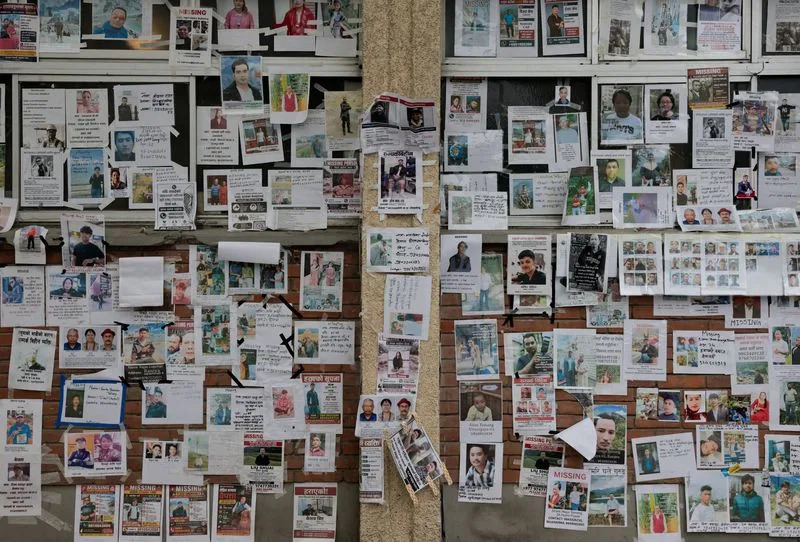
Photographs of missing people are placed on a wall outside Tribhuvan University Teaching Hospital following the deadly flash floods and mudslide, in Kathmandu, Nepal, September 16, 2026. REUTERS/Navesh Chitrakar
Reporting compiled from agency statements and Reuters reporting.
Help us improve.