The Sahra Wagenknecht Alliance (BSW) is aiming to outperform polls in Sunday’s state votes in Mecklenburg‑Vorpommern and Berlin. Wagenknecht said the party could win 6%–8%, above recent polling at 3%–4%. The BSW narrowly missed Bundestag representation in 2025 with 4.98% but entered the Saxony‑Anhalt parliament with 5.3% two weeks ago, and its state chapter has opened talks with the AfD. Key campaign priorities include cheaper energy from Russia, higher pensions, better health care and an end to aid for Ukraine.
Wagenknecht’s BSW Aims Another Upset — Predicts 6–8% Ahead Of State Votes
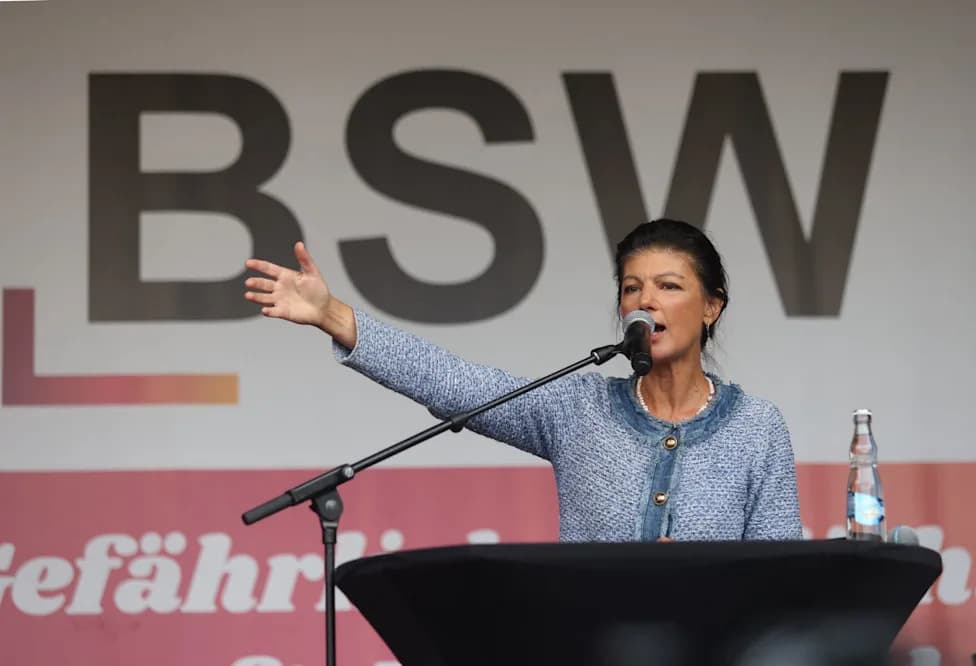
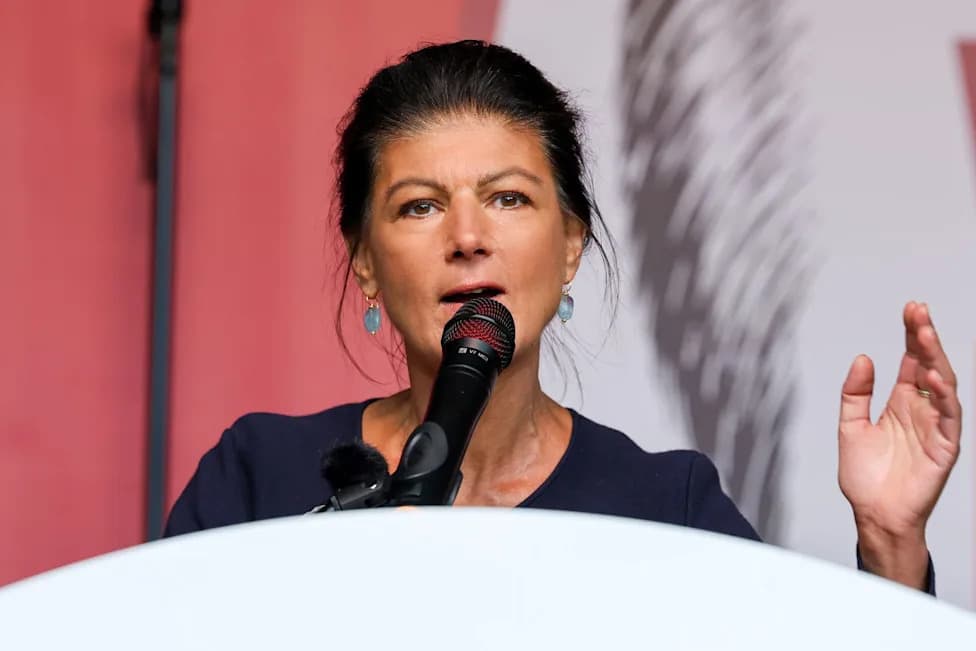
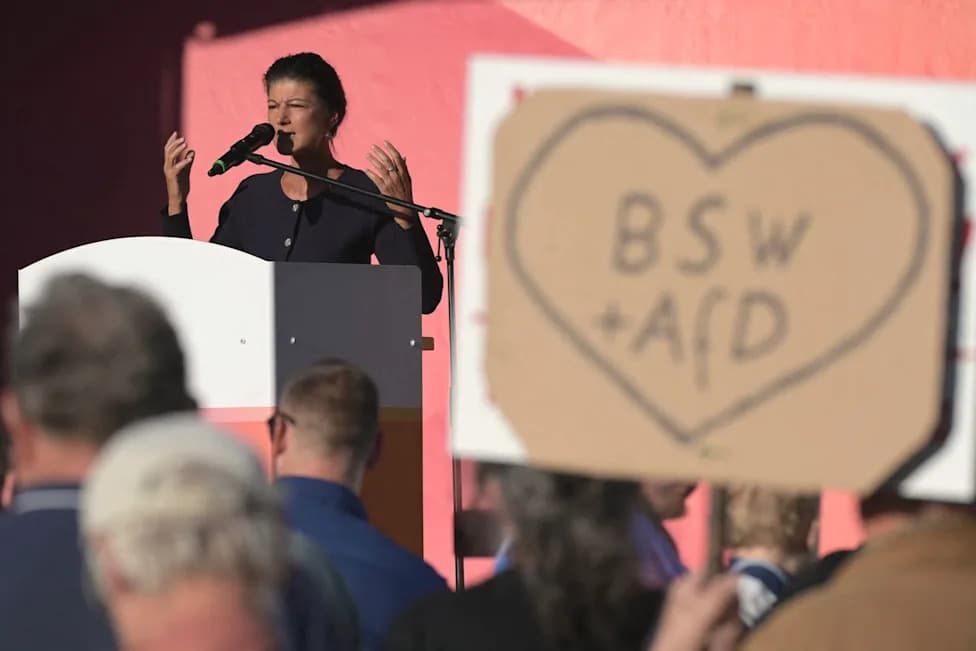
Sahra Wagenknecht founder of Sahra Wagenknecht Alliance (BSW) speaks at a BSW campaign event at the Neuer Markt ahead of the state election in Mecklenburg-Western Pomerania. (is associated with: «Germany's populist BSW hopes to upset polls again in state elections») Danny Gohlke/dpa
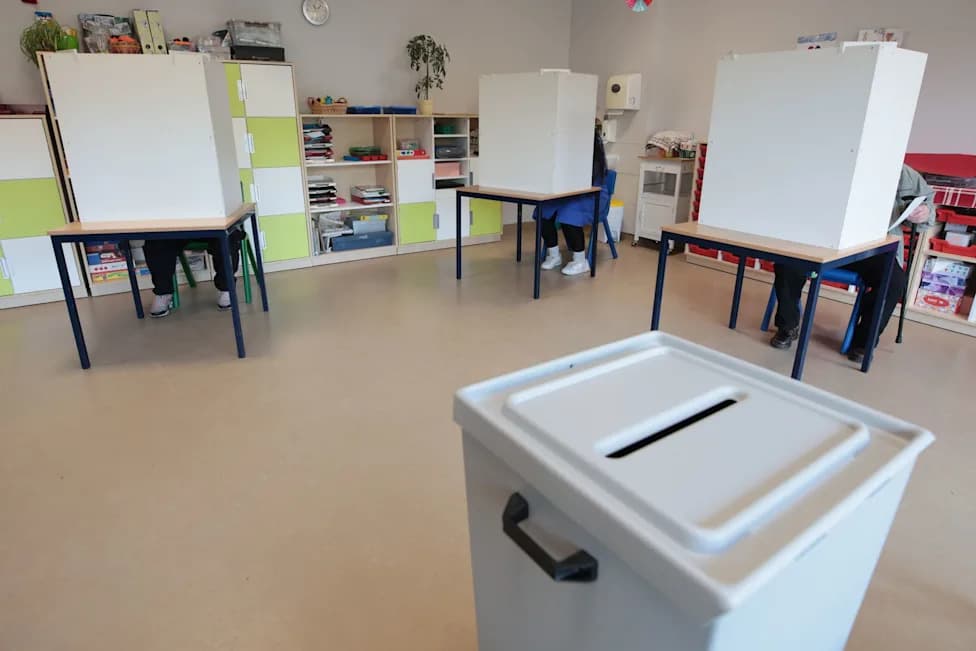
The Sahra Wagenknecht Alliance (BSW) is attempting to defy expectations again as voters in Mecklenburg‑Vorpommern and Berlin head to the polls on Sunday. At a campaign rally in Rostock, party founder Sahra Wagenknecht said she expects the BSW to win between 6% and 8% of the vote — a significant rise from recent polls showing 3%–4% support.
Electoral context: Under Germany’s electoral system, parties must clear a 5% threshold to gain seats in state and federal parliaments. The BSW narrowly missed representation in the Bundestag after winning 4.98% in the 2025 federal election, but stunned observers two weeks ago by entering the Saxony‑Anhalt state parliament with 5.3% of the vote.
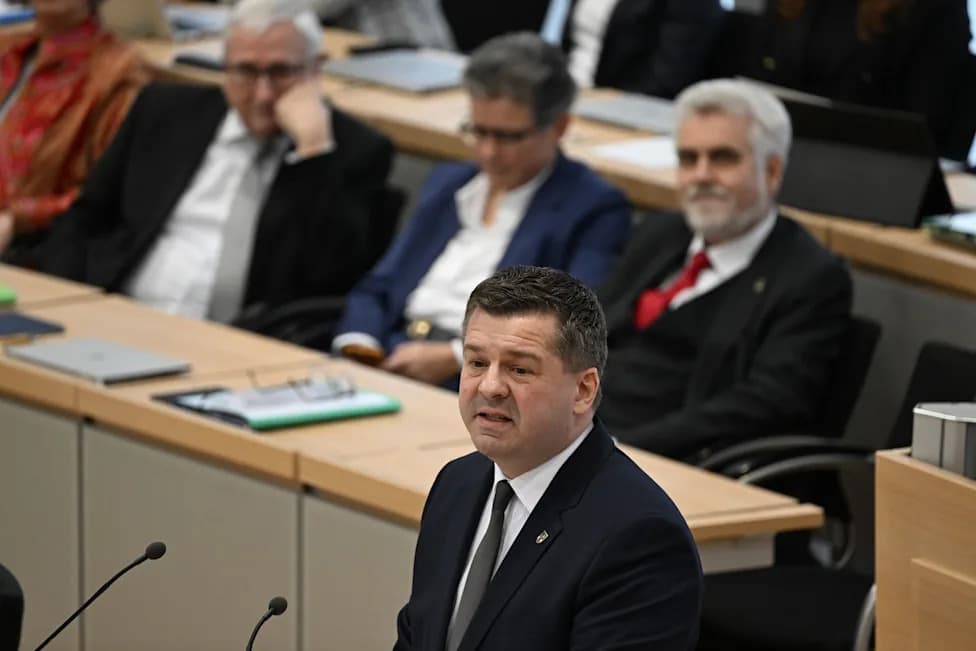
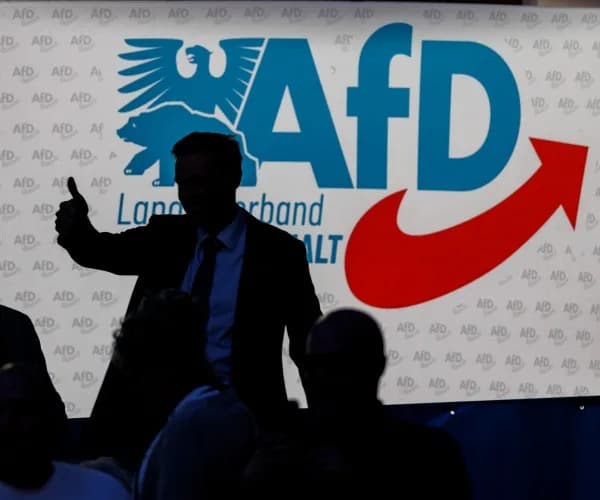
That result has given the party a potentially pivotal role in regional politics: the Saxony‑Anhalt chapter has agreed to hold talks with the far‑right Alternative for Germany (AfD), a move that could clear the way for the AfD to lead a state government for the first time.
Platform and campaign priorities
Founded in 2024 as a breakaway from The Left, the BSW mixes left‑wing economic positions with a strict stance on immigration and a foreign policy sympathetic to closer ties with Russia. At the Rostock event, Wagenknecht reiterated the party’s main demands: cheaper energy imports from Russia, higher pensions, strengthened health‑care services and an end to financial aid for Ukraine.
“We do not want our country to be driven into the ground, nor do we want to be dragged into a major war,” Wagenknecht told several hundred supporters.
Why the outcome matters
Even modest gains for the BSW could reshape coalition math in regional parliaments and send signals to national politics ahead of future elections. Observers will watch both Mecklenburg‑Vorpommern and Berlin for signs of whether the party can convert polling momentum into seats and influence.
What to watch next: final vote shares in Mecklenburg‑Vorpommern and Berlin, whether the BSW clears the 5% threshold, and any post‑election talks with other parties — especially the AfD in states where the BSW performs strongly.
Help us improve.