Musambwa Island, a five-acre outcrop in Lake Victoria, is home to about 100 fishermen who live alongside hundreds or possibly thousands of forest cobras without recorded fatal bites. Local Baganda customs treat the snakes as sacred and protect trees and bird colonies that provide abundant prey. The island is part of a Ramsar-protected wetland, and tightly managed tourism helps preserve this fragile human-wildlife balance.
Musambwa Island: How 100 Fishermen Coexist With Thousands Of Venomous Cobras — With No Fatal Bites
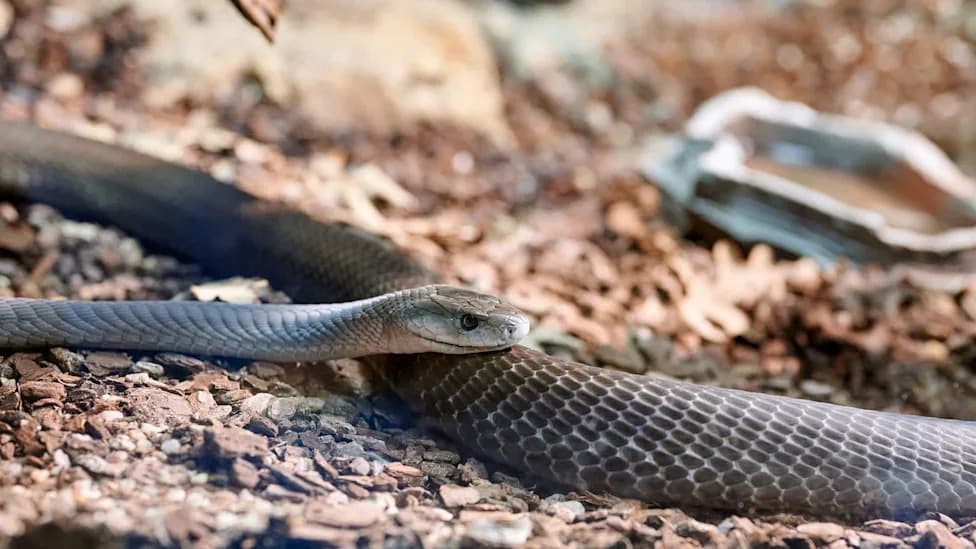
Photo Credit: iStock
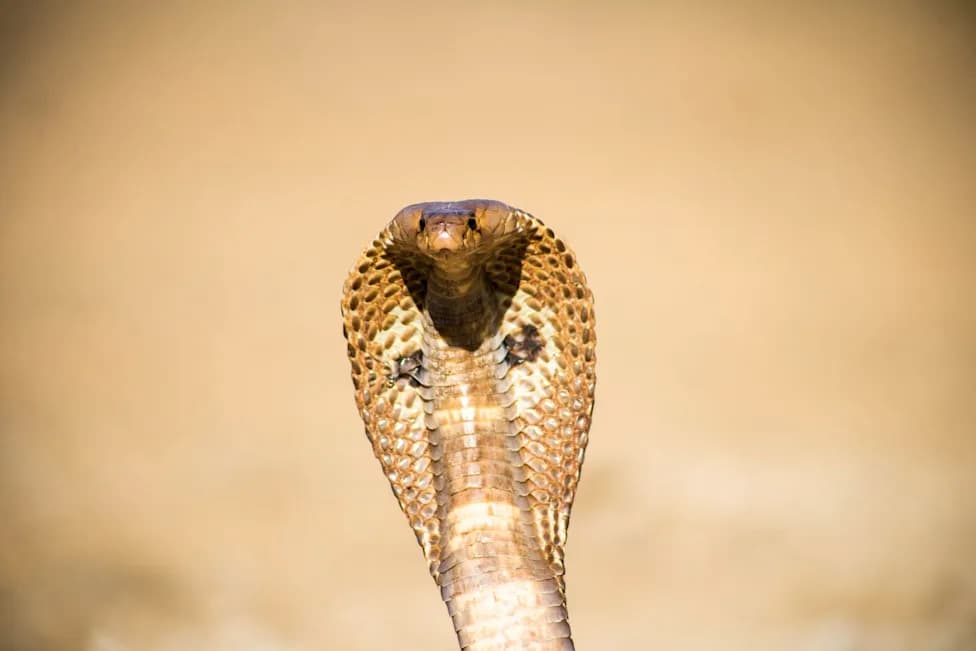
Musambwa Island is a tiny five-acre outcrop in Uganda’s Lake Victoria where roughly 100 fishermen share the land with hundreds — possibly thousands — of highly venomous forest cobras. Remarkably, despite decades of daily contact, islanders report no recorded fatal cobra bites.
Local custom and belief play a central role in this unusual coexistence. The Baganda fishing community treats the snakes as sacred and enforces taboos against harming them. The island’s name, Musambwa, is linked in Luganda belief to spirits or gods, and traditional rules also discourage cutting trees and taking bird eggs—practices that help conserve the island’s ecology.
Abundant prey and a protected habitat further reduce human-snake conflict. Musambwa supports the world’s largest grey-headed gull colony and large numbers of cormorants, herons, egrets and kingfishers, supplying ample food for the cobras in the form of eggs, nestlings and birds. The cobras observed on Musambwa average about 5.6 feet (1.7 meters), though the species can exceed 10 feet (3 meters). Their venom is highly neurotoxic, making the absence of fatal incidents particularly notable.
Island residents report only one human bite, believed to have been accidental and a dry bite (no venom injected). This suggests the snakes generally avoid unprovoked aggression and become defensive only when threatened.
Community and formal protections reinforce the balance. Many of the strongest safeguards come from community norms that limit disturbance to trees and birds. Musambwa is also part of the Sango Bay–Musambwa Islands–Kagora Wetland System, a roughly 212-square-mile (550-square-kilometer) area designated under the Ramsar Convention as a Wetland of International Importance. That status strengthens conservation measures and helps reduce pressures that could destabilize the island’s fragile ecosystem.
Managed visitation and local lore mean tourism is permitted but tightly controlled so as not to disturb nesting birds or stress the snakes. Visitors, including ethnobiologists, have recorded local beliefs and anecdotes; for example, community leaders say that breaking certain taboos has been blamed for violent storms that damaged boats and dwellings.
Musambwa is a striking example of how cultural practices, plentiful natural resources and animal behavior can combine to limit dangerous encounters between people and wildlife. The island’s long-running balance stands in contrast to areas where habitat loss and changing human behavior have increased conflicts, underscoring how fragile such coexistence can be.
Help us improve.