Scientists have described a small wild cat from Bolivia's Yungas cloud forest as a new species, Leopardus tilcayo, the first living cat named in over a century. Genetic analysis of 38 tiger-cat samples shows tiger cats comprise five distinct species and indicates the Tilcayo split from other lineages about 1.4 million years ago. Observations are limited to two live individuals and camera-trap records; conservationists warn that habitat loss in the Yungas could put the species at risk.
Scientists Name New Wild Cat From Bolivia — Leopardus tilcayo, First Living Cat Species Described in Over a Century
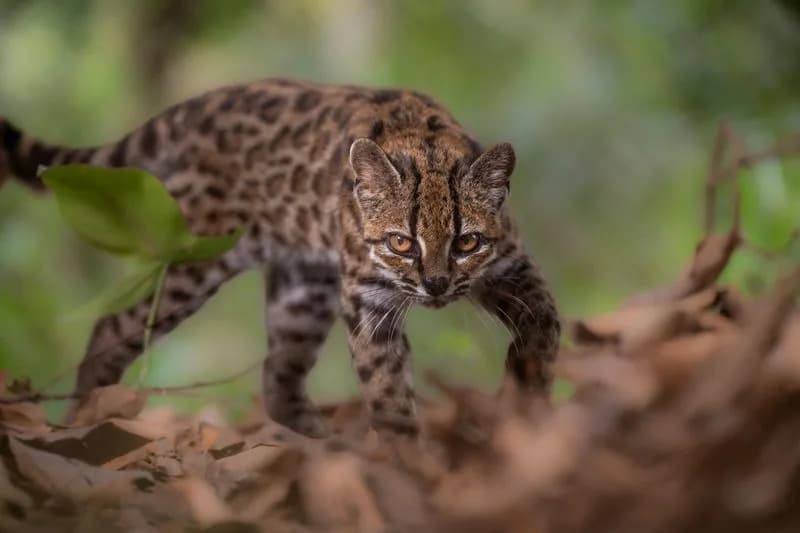
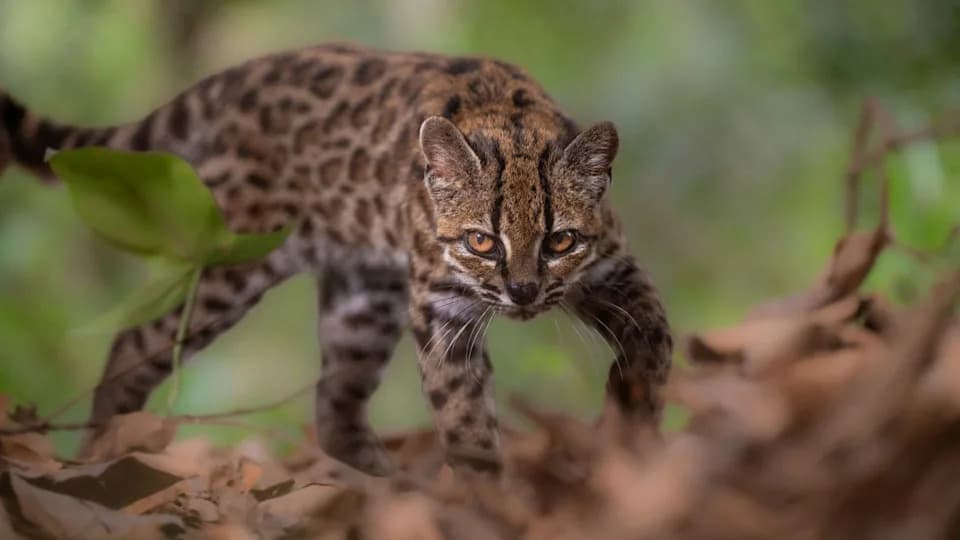
A Leopardus tilcayo cat, a newly identified species through research led by National Geographic Explorer Paola Nogales Ascarrunz, walks at the Senda Verde animal refuge in the Yungas region, Bolivia, September 1, 2026. Fernando Faciole/National Geographic/Handout via REUTERS
Researchers have formally identified a tiny wild cat from Bolivia's cloud-covered Yungas as a species new to science. Retaining the local name Tilcayo, the cat has been given the scientific name Leopardus tilcayo, marking the first time a living cat species has been described in more than 100 years.
Small, Elusive, and Genetically Distinct
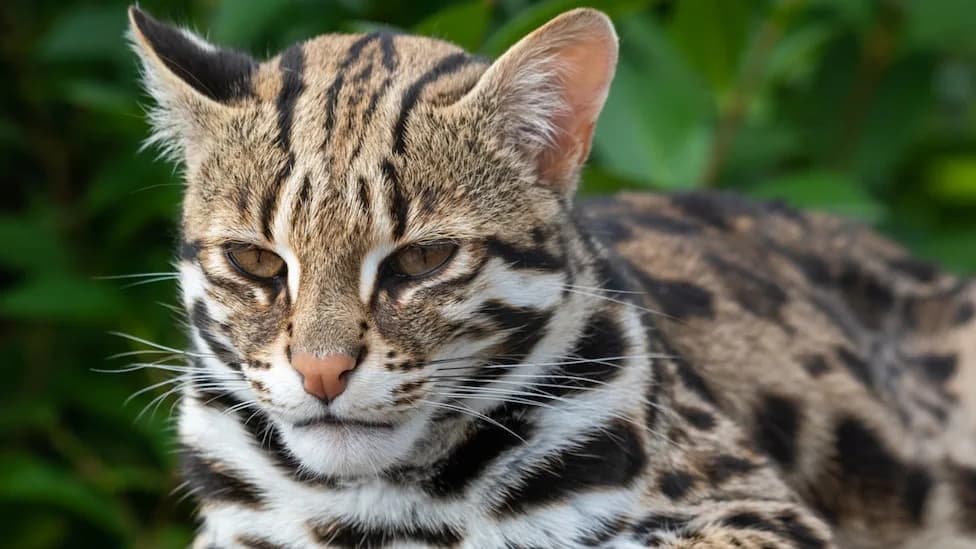
The Tilcayo is unusually small for a wild felid: about 18 inches (46 cm) long from nose to base of tail and weighing roughly 3 pounds (1.4 kg), smaller than the average domestic cat. Its coat is light brown with irregular rosettes that help it blend into the mossy, shadowed understory of the cloud forest.
"Its fur is light brown ... with irregularly shaped rosettes across its body," said Paola Nogales-Ascarrunz, a National Geographic Explorer and co-author of the study published in Current Biology.
Genetics Reveal Hidden Diversity
The team analyzed DNA from 38 tiger-cat samples collected across South America, including eight museum specimens. Results show that so-called tiger cats are not a single species but instead represent five genetically distinct lineages. Genetic dating suggests the Tilcayo lineage split from its closest relatives about 1.4 million years ago, a timespan consistent with species-level separation in felids.
Field Observations Are Limited
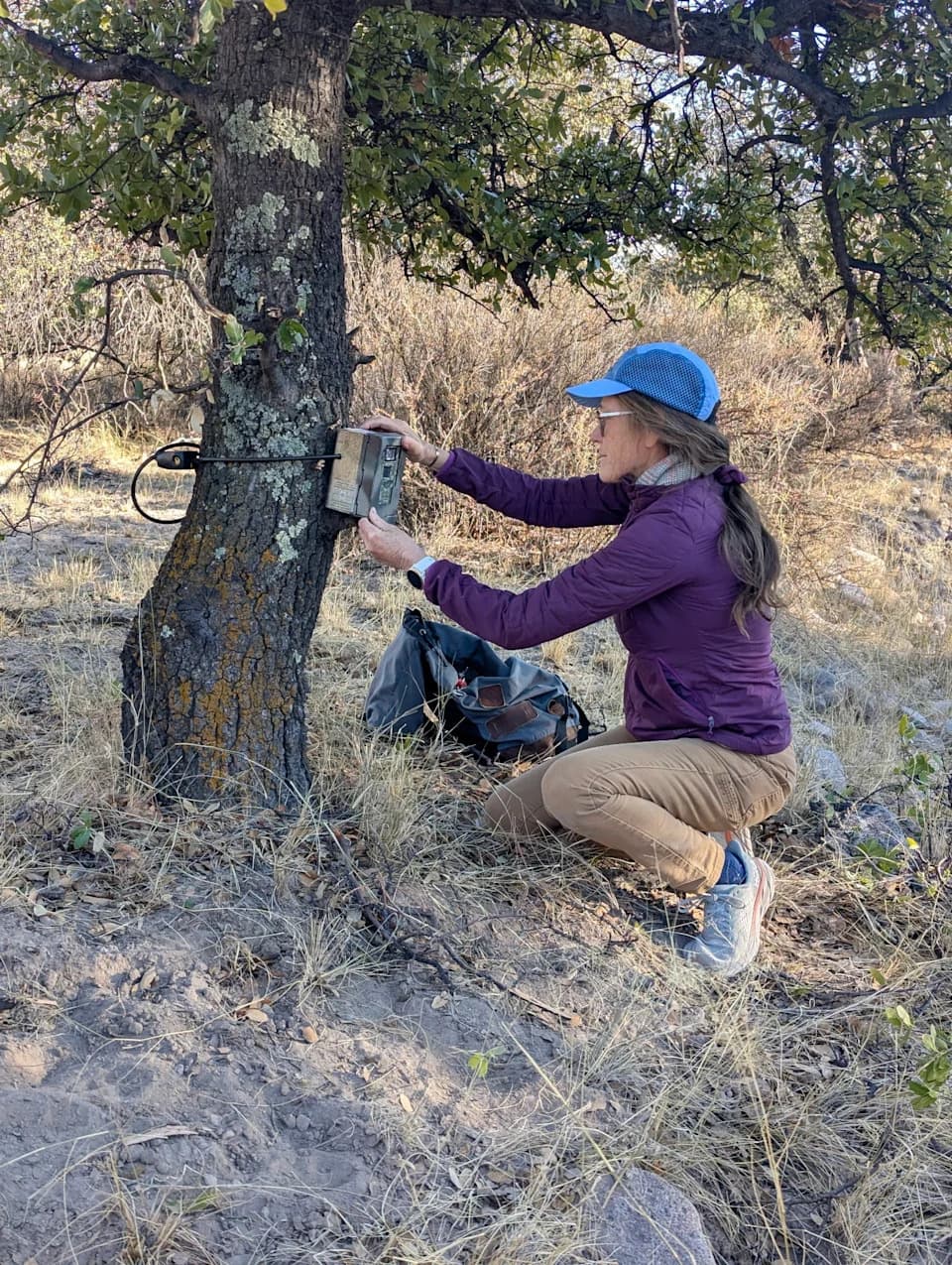
Direct information about the Tilcayo's behavior and ecology is scarce. Researchers examined two live individuals and a small number of camera-trap records. Scat analysis indicates small rodents are part of its diet, and camera evidence suggests primarily nocturnal activity. One of the examined animals, a 10-year-old male, now lives at Senda Verde Wildlife Sanctuary after being kept by a local family.
Related Findings and Conservation Implications
The study also describes a new subspecies in Peru's Yungas, named Leopardus tigrinus antisuyo. Currently the IUCN Red List treats tiger cats as two 'vulnerable' species; the researchers have shared their results with the IUCN so each of the five lineages can be reassessed separately. Such reassessments could raise the conservation status of small, localized lineages like the Tilcayo to endangered.
Threats to Its Home
Bolivia's Yungas — a biodiverse, montane cloud-forest ecosystem — faces growing threats from deforestation, agricultural expansion, human-caused fires and mining. Authors urge urgent measures including restoring burned forest patches, protecting remaining native forest, and maintaining habitat connectivity to preserve this newly recognized species and the wider ecosystem it depends on.
Why This Matters
As Eduardo Eizirik, a senior author on the study, notes: discovering a new species in a high-profile group like cats underscores how many species may still be undescribed and vulnerable. The find highlights the need for intensified research, monitoring and conservation in the Yungas and similar threatened habitats.
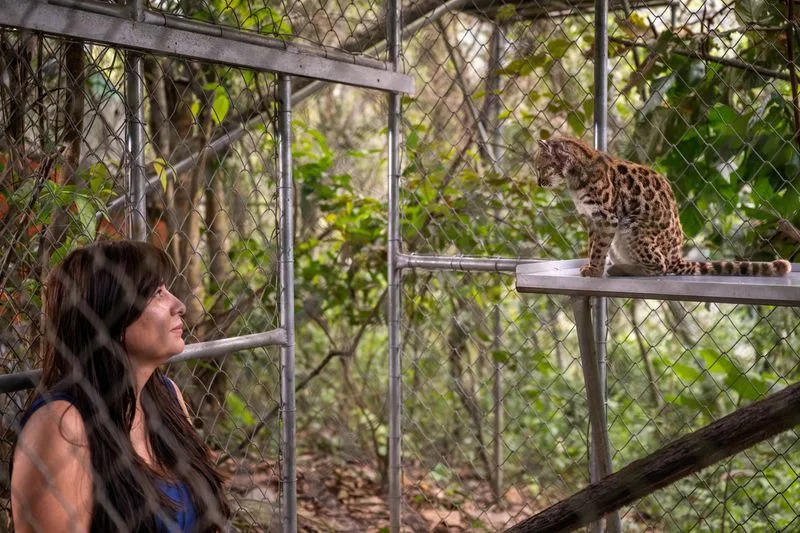
National Geographic Explorer Paola Nogales Ascarrunz, who led the research that identified Leopardus tilcayo as a new species, observes the cat at the Senda Verde animal refuge in the Yungas region, in Bolivia, September 1, 2026. Fernando Faciole/National Geographic/Handout via REUTERS

FILE PHOTO: People walk on the dry riverbed of the Indus River in Hyderabad, Pakistan April 24, 2025. REUTERS/Yasir Rajput/File Photo
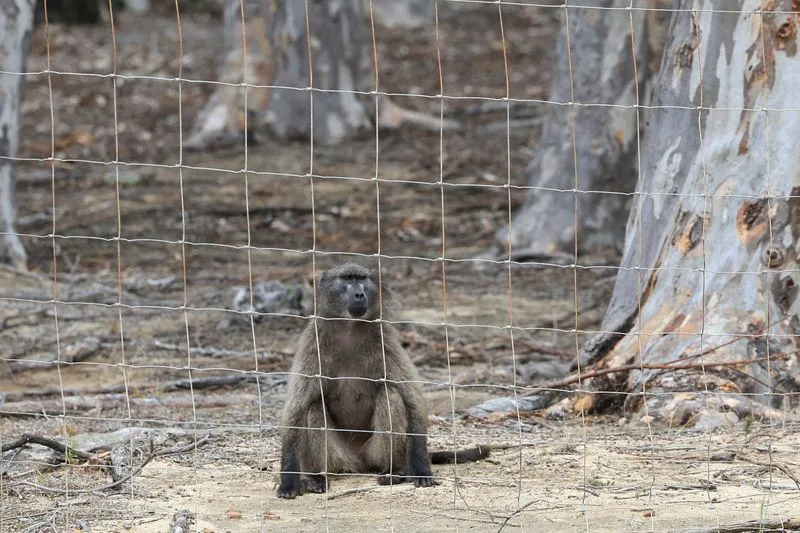
A baboon sits behind a fence near Simon's Town as wild baboon troops face relocation to the Urban Wildlife Centre, in Cape Town, South Africa, September 13, 2026. REUTERS/Esa Alexander
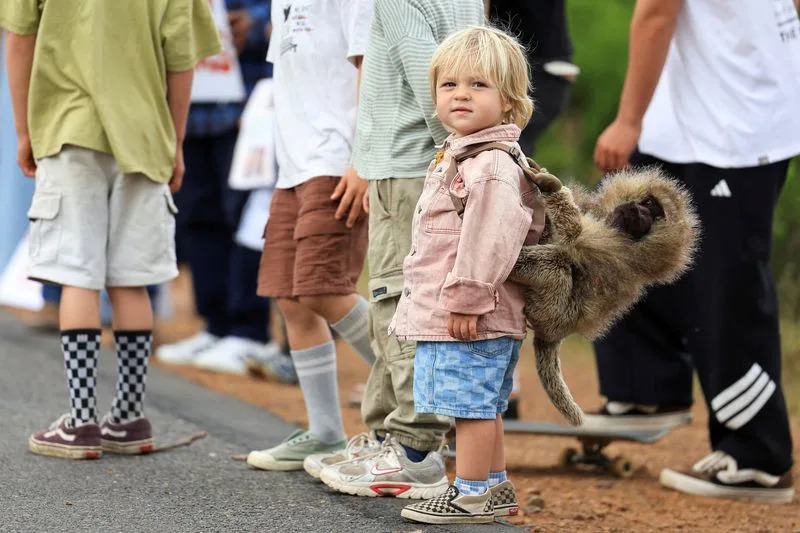
A boy carries a baboon backpack during a protest outside the Urban Wildlife Centre near Simon's Town, as wild baboon troops face relocation to the facility, in Cape Town, South Africa, September 13, 2026. REUTERS/Esa Alexander
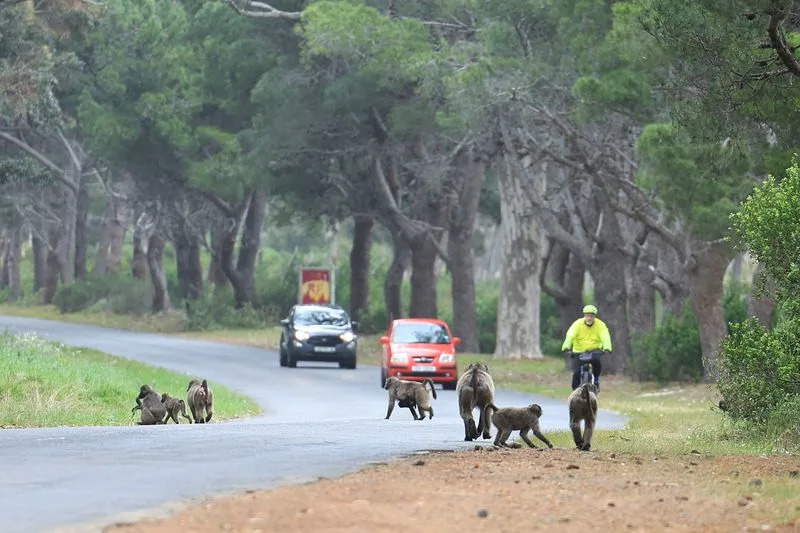
A troop of baboons cross a busy road near Simon's Town as wild baboon troops face relocation to the Urban Wildlife Centre, in Cape Town, South Africa, September 13, 2026. REUTERS/Esa Alexander
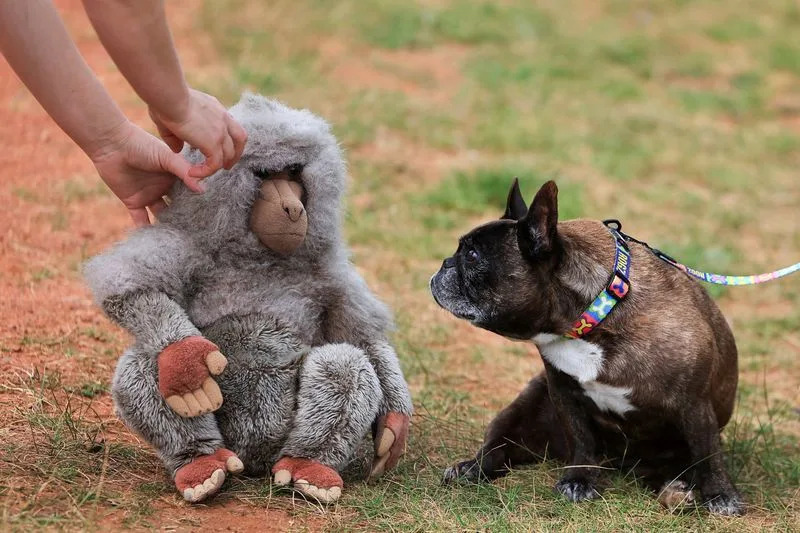
A dog looks at a stuffed baboon toy during a protest outside the Urban Wildlife Centre near Simon's Town, as wild baboon troops face relocation to the facility, in Cape Town, South Africa, September 13, 2026. REUTERS/Esa Alexander
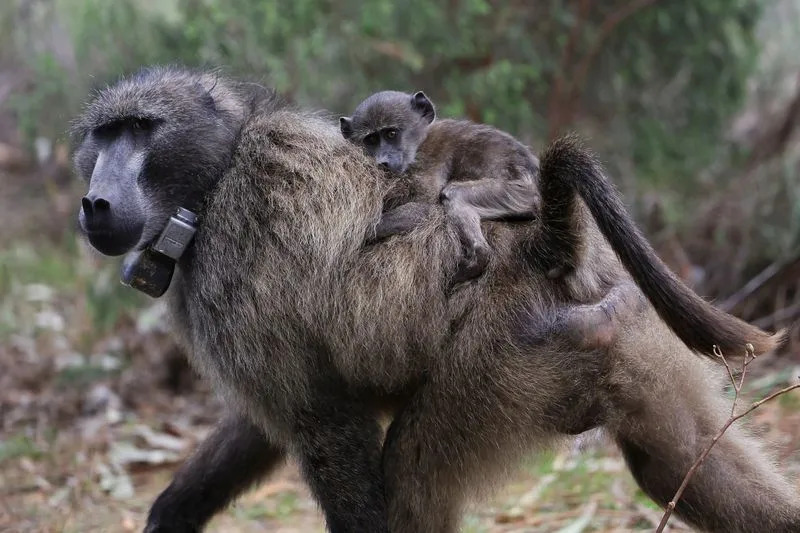
A baboon crosses a street with its baby near Simon's Town as wild baboon troops face relocation to the Urban Wildlife Centre, in Cape Town, South Africa, September 13, 2026. REUTERS/Esa Alexander

A woman holds a placard during a protest outside the Urban Wildlife Centre near Simon's Town, as wild baboon troops face relocation to the facility, in Cape Town, South Africa, September 13, 2026. REUTERS/Esa Alexander
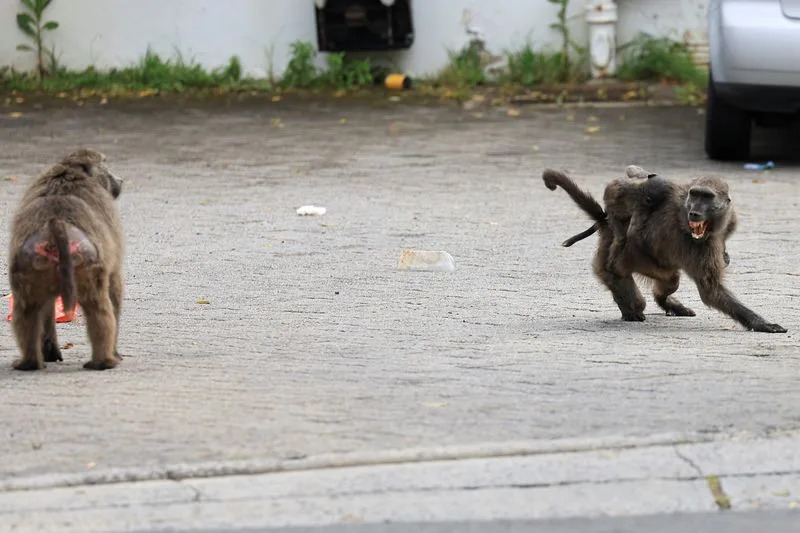
Baboons move through the neigbourhood in Simon's Town, as wild baboon troops face relocation to the Urban Wildlife Centre, in Cape Town, South Africa, September 15, 2026. REUTERS/Esa Alexander
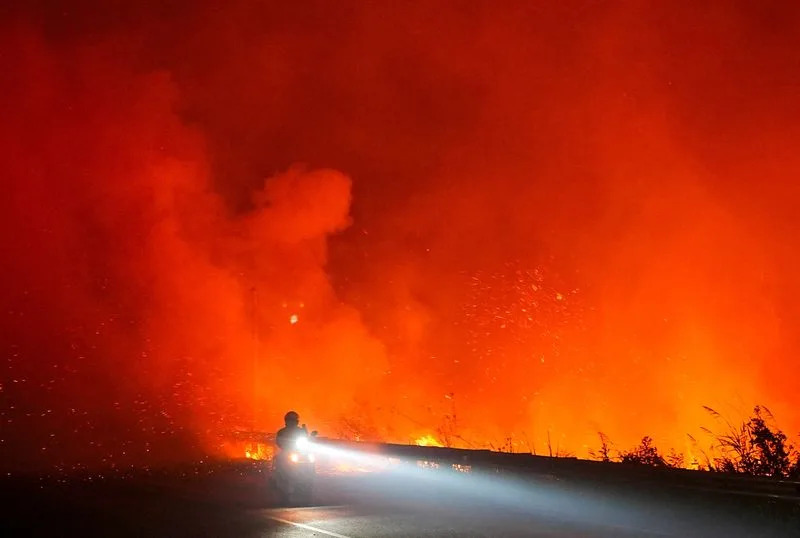
A motorist rides through a road as a wildfire burns near the main road in Ogan Ilir, South Sumatra province, Indonesia, September 11, 2026. REUTERS/Abriansyah Liberto TPX IMAGES OF THE DAY
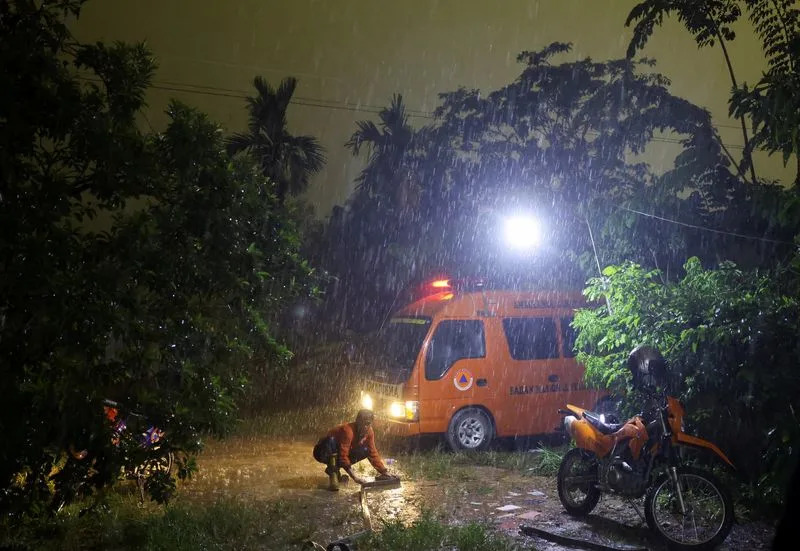
A staff member of the Regional Disaster Agency (BPBD) rolls a hose after extinguishing a fire in a peatland area burnt by wildfires, during heavy rains, in Kubu Raya, West Kalimantan province, Indonesia, September 15, 2026. REUTERS/Ajeng Dinar Ulfiana TPX IMAGES OF THE DAY
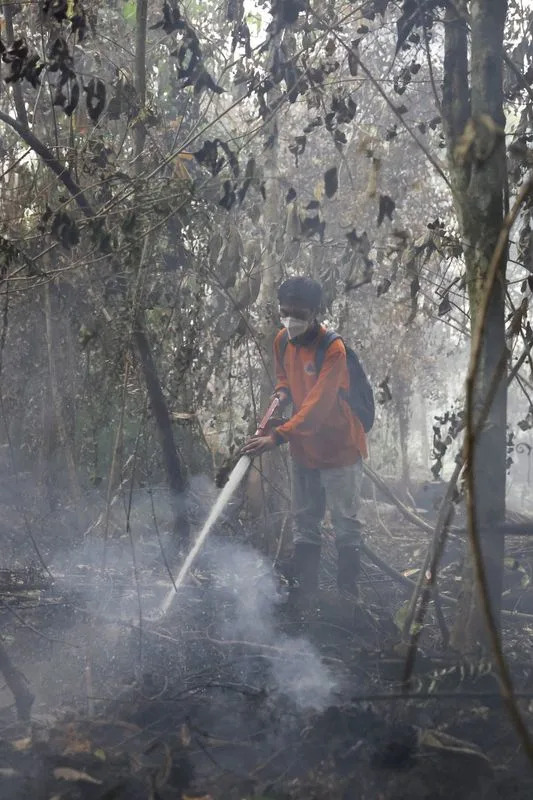
A staff member of the Regional Disaster Agency (BPBD) sprays water to extinguish a fire in a peatland area burnt by wildfires, in Kubu Raya, West Kalimantan province, Indonesia, September 15, 2026. REUTERS/Ajeng Dinar Ulfiana
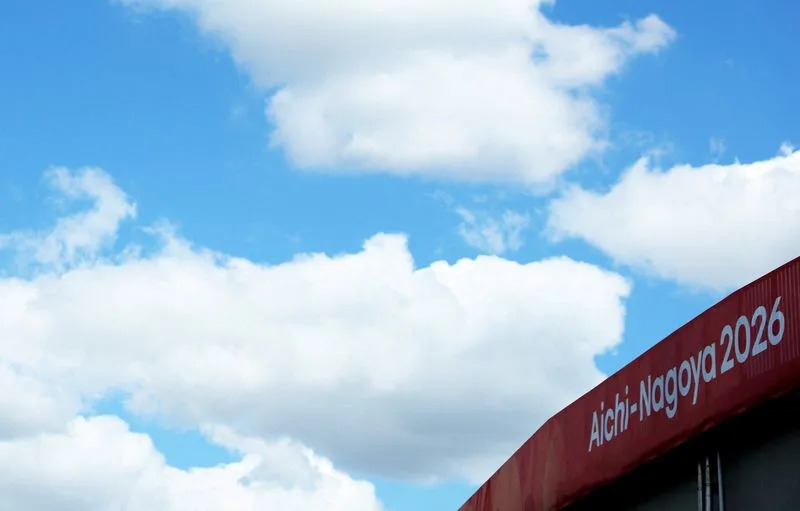
Asian Games - Aichi-Nagoya 2026 - Basketball - Women's - Group A - Indonesia v Thailand - Aichi International Arena, Nagoya, Japan - September 17, 2026 General view of clouds outside the stadium before the match REUTERS/Edgar Su
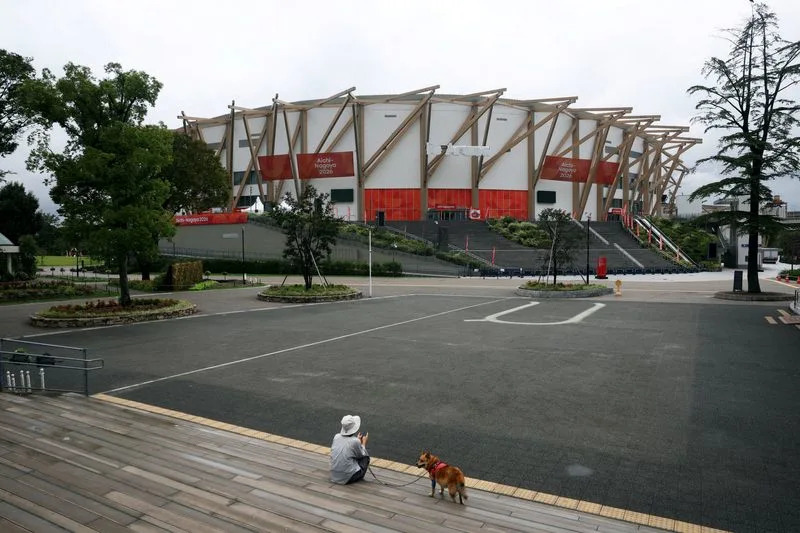
Asian Games - Aichi-Nagoya 2026 - Previews - Nagoya, Japan - September 15, 2026 General view of Aichi International Arena in Nagoya ahead of the Asian Games REUTERS/Edgar Su TPX IMAGES OF THE DAY

Asian Games - Aichi-Nagoya 2026 - Previews - Nagoya, Japan - September 15, 2026 General view of Aichi International Arena in Nagoya ahead of the Asian Games REUTERS/Edgar Su

Vehicles pass in front of the World Bank building, in Washington, D.C. on May 20, 2022. REUTERS/Raphael Satter
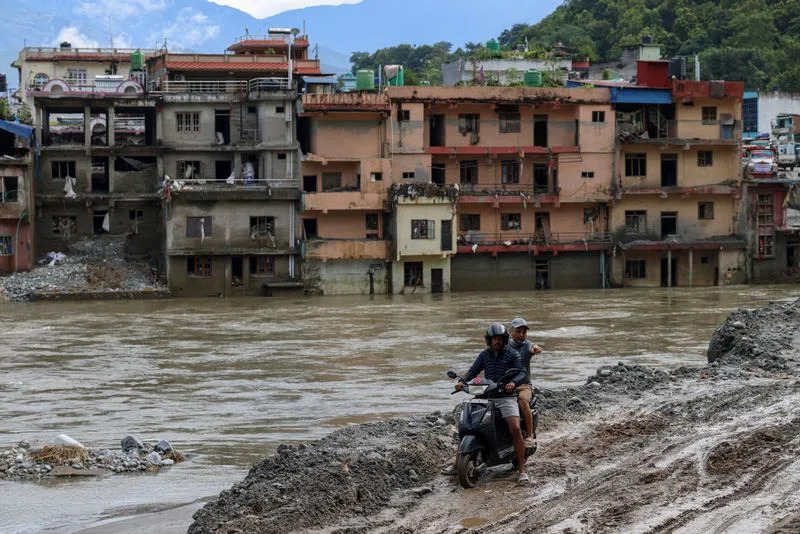
FILE PHOTO: A motorcyclist rides through thick mud with flood-damaged houses in the background following deadly flash floods and a mudslide, in Devighat, Nuwakot district, Nepal, September 11, 2026. REUTERS/Tyrone Siu/File Photo
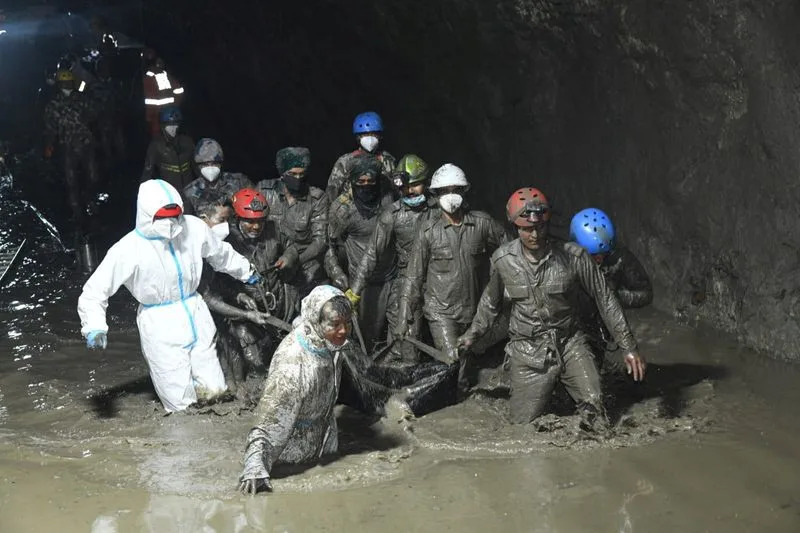
Members of a search and rescue teams carry the body of a victim from the inside the Chilime Hydropower Project tunnel, following deadly flash floods and mudslides hit parts of Nepal, in this handout obtained by Reuters on September 16, 2026. Nepal Army/Handout via REUTERS
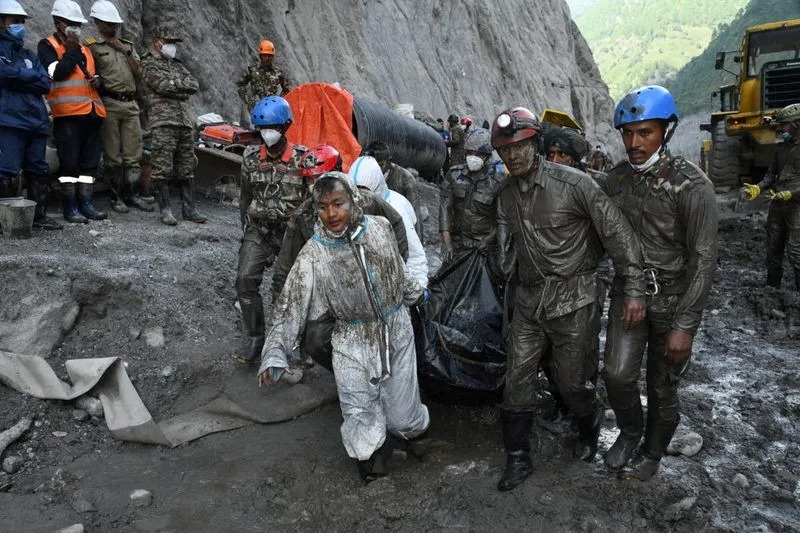
Members of a search and rescue teams carry the body of a victim from the inside the Chilime Hydropower Project tunnel, following deadly flash floods and mudslides hit parts of Nepal, in this handout obtained by Reuters on September 16, 2026. Nepal Army/Handout via REUTERS
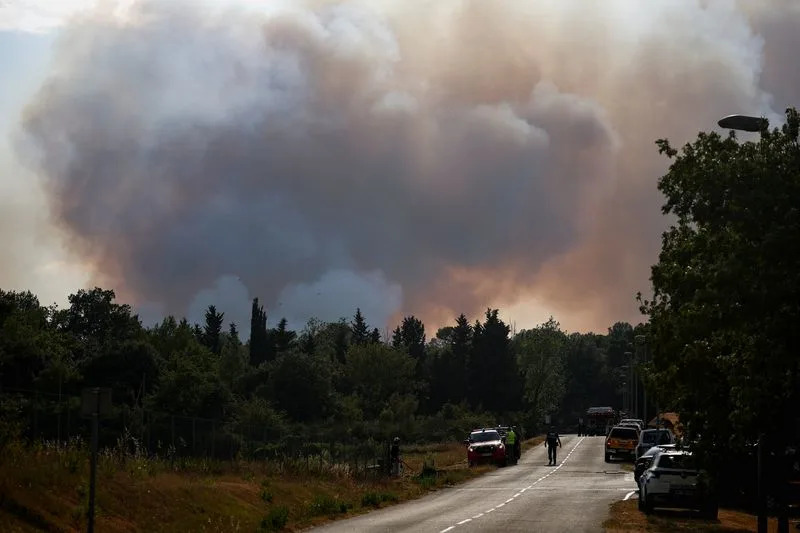
A police officer walks along a road as smoke billows in the background in Carcassonne, Aude department, amid worsening drought conditions following a heatwave and water shortages across much of France, August 2, 2026. REUTERS/Florion Goga

FILE PHOTO: The Google logo is displayed during a press conference in Berlin, Germany, November 11, 2025. REUTERS/Lisi Niesner/File Photo
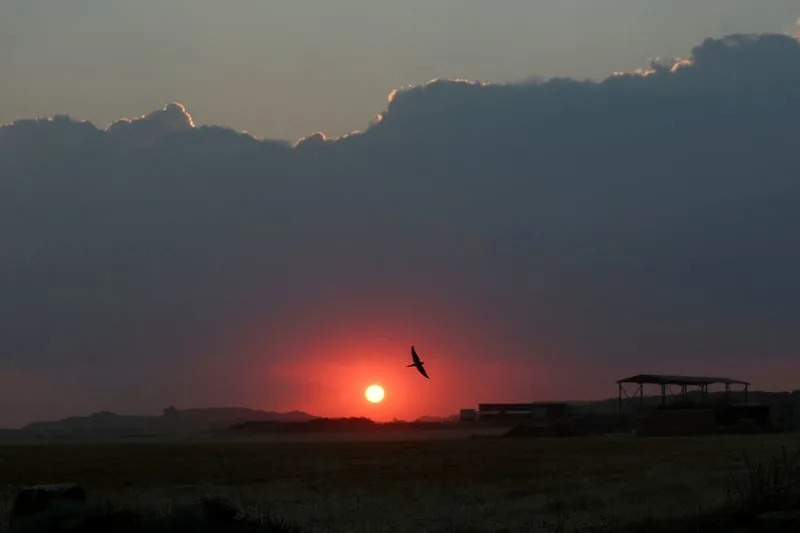
FILE PHOTO: The sun is partially obscured as smoke from wildfires affecting Zaragoza province linger on the horizon, in Farasdues, Spain, July 16, 2026. REUTERS/Violeta Santos Moura//File Photo

European Commission President Ursula von der Leyen delivers the State of the European Union address (SOTEU) to the European Parliament, in Strasbourg, France, September 16, 2026. REUTERS/Yves Herman
Help us improve.