The isolated Tsushima leopard cat population (~100 animals) recently produced at least three individuals with tails about half the normal length. Whole-genome sequencing of one short-tailed individual, "Shorty," compared with local domestic cats, other Tsushima leopard cats, and continental leopard cats showed no evidence of recent hybridization with domestic cats. Researchers suggest possible causes including inbreeding, developmental mutation, ancient or low-level introgression, or undetected injury, but note that the small sample size prevents firm conclusions. The team calls for more genetic and phenotypic sampling to guide conservation responses.
Short Tails in Critically Endangered Tsushima Leopard Cats Raise Alarm — Genome Study Finds No Recent Domestic Hybridization
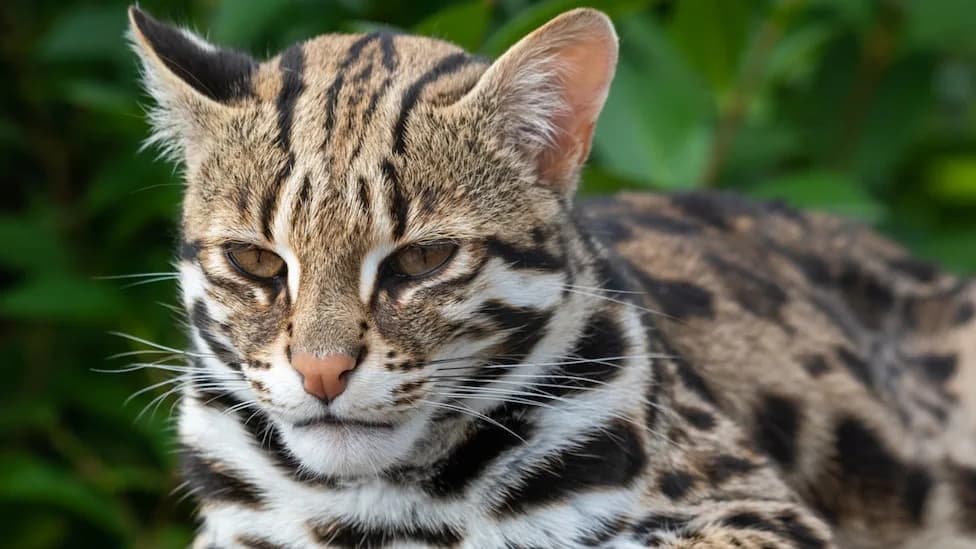
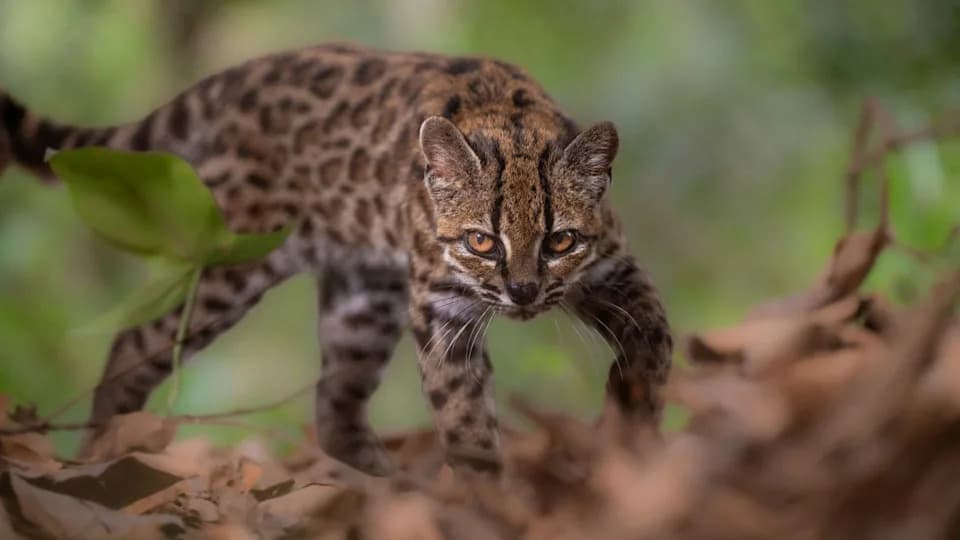
(Ian Fox/iStock/Getty Images Plus)
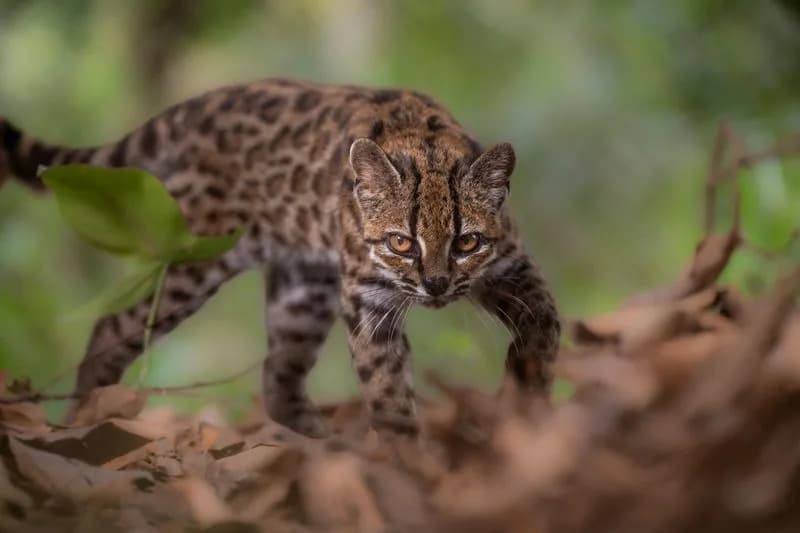
On the small, isolated Japanese island of Tsushima, researchers have identified a worrying new trait in the island's critically endangered Tsushima leopard cats (Prionailurus bengalensis euptilurus): several individuals with markedly shortened tails. With the island population estimated at roughly 100 animals, any unexpected changes in appearance or genetics could have important conservation implications.
Field Observations
During field surveys in 2024 and 2025, camera traps and field teams recorded three leopard cats whose tails measured roughly half the normal length for the species. Short-tailed individuals have not been reported previously in Tsushima or in other wild leopard cat populations, making these observations notable.
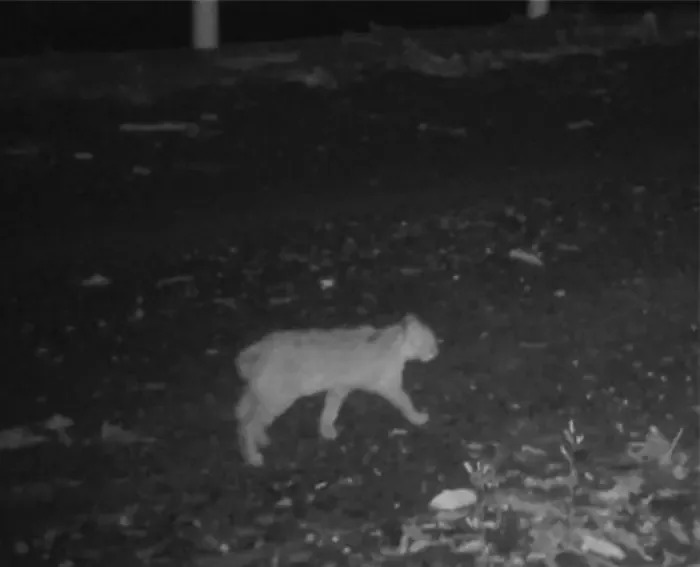
A short-tailed leopard cat photographed on a camera trap in Tsushima. (Ministry of the Environment, Tsushima Wildlife Conservation Center)
Hybridization Concern and Genetic Testing
Short tails are commonly seen in some domestic cat breeds and free-roaming domestic cats are present on Tsushima. That raised immediate concerns that the trait might have arisen through recent crossbreeding with domestic cats.
"An unusual phenotype can immediately raise concerns about hybridization, but we wanted to determine objectively what the genome actually tells us before drawing conclusions from appearance alone," said Yuki Matsumoto, an animal geneticist at Azabu University and the study's first author.
To investigate, researchers sequenced the whole genome of one short-tailed wild leopard cat (nicknamed "Shorty") and compared it to several reference groups: five local domestic cats (three of which also had short tails), 15 other Tsushima leopard cats with normal tails, and four continental Asian leopard cats. The team specifically examined genomic regions including two genes previously linked to short-tail phenotypes in domestic cats.
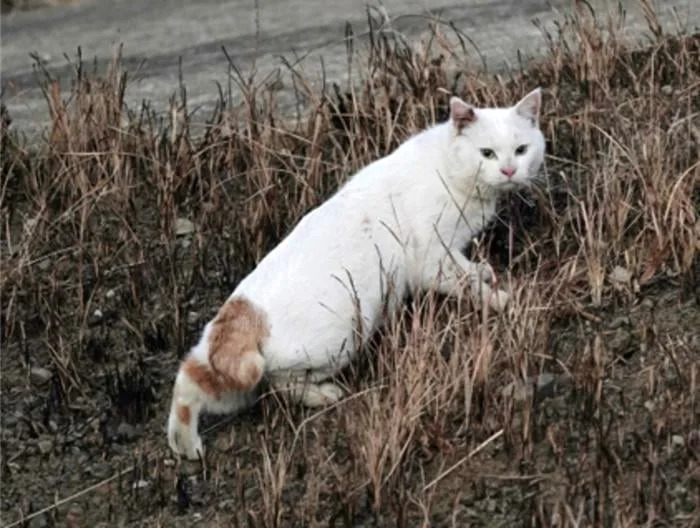
A short-tailed domestic cat photographed on Tsushima. (KyotoU/Yuki Matsumoto)
Key Result: No Evidence of Recent Domestic Introgression
Contrary to concerns, genetic analyses found no evidence that Shorty or the other tested Tsushima leopard cats carry recent ancestry from domestic cats. In multiple analyses Shorty's genome clustered within the range expected for Tsushima leopard cats rather than showing an intermediate, hybrid signature.
Possible Causes and Limitations
While the absence of clear recent hybridization is reassuring, the appearance of short tails in at least three individuals remains unexplained. Possible explanations discussed by the authors include:

Subscribe to ScienceAlert's free fact-checked newsletter
- Inbreeding or the expression of deleterious recessive variants in a small population.
- An uncommon developmental mutation arising de novo in the population.
- Very old or very low-level introgression from domestic cats that escaped detection by the methods used.
- Undetected traumatic injury, although researchers reported no signs of trauma when examining the directly sampled animal.
The study highlights major limitations: only one short-tailed individual was genetically sampled and analyzed, while two others were identified through camera-trap images only. That small sample size prevents firm conclusions about whether the observations represent a single heritable trait or multiple, unrelated causes.
Conservation Implications and Next Steps
Understanding whether the short-tail phenotype is heritable and how it arose is important for conservation planning. The researchers call for targeted phenotypic assessments and additional genetic sampling of any newly detected short-tailed individuals to clarify the trait's origin and frequency. The study was published in Global Ecology and Conservation.
Note: Further monitoring, larger sample sizes, and collaborative genetic work will be essential to determine whether this trait poses a threat to the health and viability of Tsushima's leopard cat population.
Help us improve.